
IslamiCity
Listen PodCasts, Live Quran, Watch Videos @VideoHub

My day starts by turning off my alarm, holding my phone and checking my messages, emails, and the news. Needless to say, today (June 8, 2018), my news feed was filled with stories about Anthony Bourdain's suicide.
The news was hard on me because, throughout my culinary growth, Anthony's name appeared frequently to the extent that I felt he is my friend. A successful chef, TV personality, world traveler and doing what he loves. But something was wrong in his life.
In the past two decades, the rate of suicide has increased tremendously in the US1. The reasons vary from personal problems (life stressors such as loss of someone, financial problems, bullying...) to psychological ones (PTSD, mental health, substance abuse...).
During grad school, I personally knew several people who had suicidal thoughts and I didn't know how to help them. Our educational and social system doesn't teach us the basics of spotting signs and helping people at risk, although grad schools have one of the highest level mental health crises2. Even more, we are accustomed to thinking that suicide is a weakness to face problems and an easy escape from troubles. I could see one of my friends struggling with depression and the only thing all my friends and I (including his parents) could think of is that he was craving attention and needs to toughen up and "stop thinking about his problems." Instead, we should have been supporting him and taking him to seek professional help.
Being Muslim and growing up in a Muslim country, conversations about suicide and its prevention (not talking about suicide bombers) were lacking with little actionable items and public health policies. The low rate of suicide in Muslim countries can be attributed partly to religion and partly to socio-economic factors3-4, given that many non-religious countries do have a low suicide rate too. However, in case somebody attempts or commits suicide, mental health was immediately blamed and the "taboo act" would leave a long-lasting stain on the victim and the family. However, despite various personal efforts to address mental health, literature, discussions, and training about suicide detection, prevention, and care among Muslims are insufficiently addressed5. Add to that a wave of severe mental illness crisis is already sweeping large portions of Muslim countries due to conflicts, severe poverty and lack of personal freedom6.
What can I (YOU) do?
Spotting someone in distress and having thoughts of suicide might not be easy. You might feel that approaching him/her might be infringing on their personal life, but you might have saved their life.
Know the warning signs7:
What to do:
Other venues for help:
http://www.projectsakinah.org/Project-Sakinah
http://www.stonestobridges.org
References
About the author:
Dr Doueiri received his masters from the American University of Beirut (AUB) in cancer biology, his PhD from the Ohio State University in molecular virology, and went to do a post-doctorate at the National Institutes of Health (NIH) developing HIV vaccines. He was a volunteer at IslamiCity's parent organization HADI since 2003. In 2015 he joined the organization and is currently the COO.
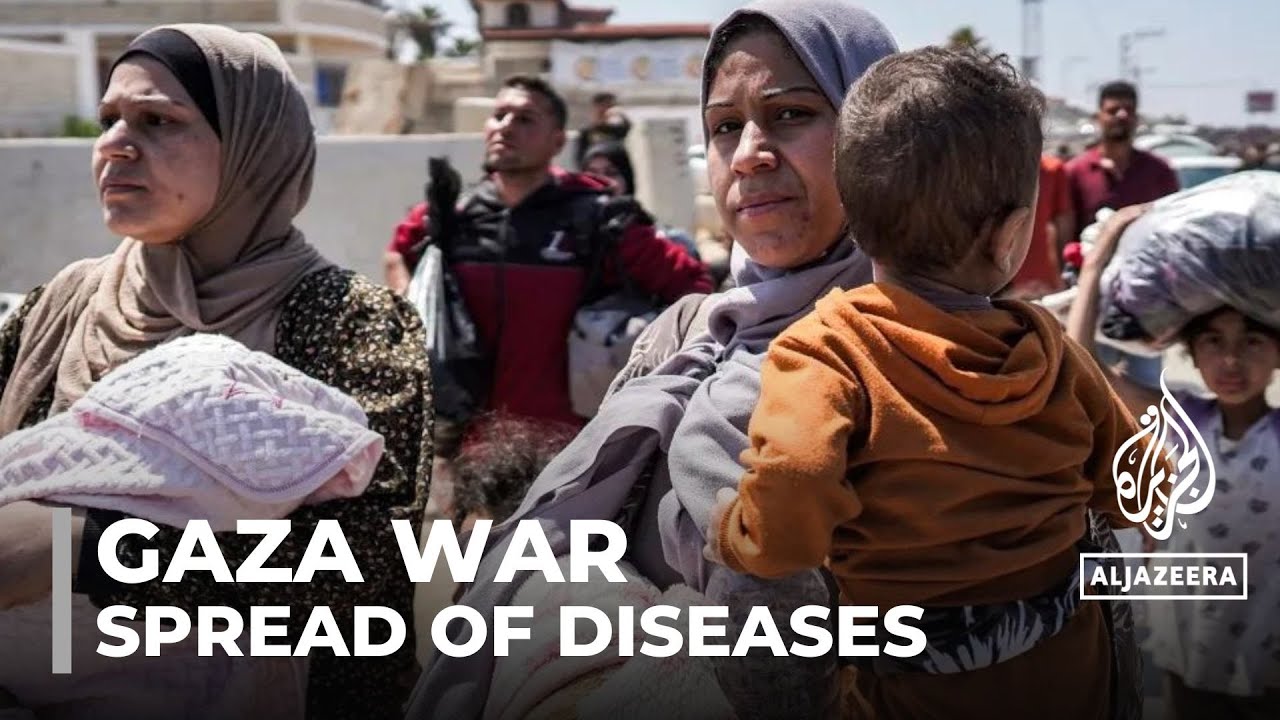 Gaza Health Crisis: Israel’s War Fuels Spread of Diseases


