
IslamiCity
Listen PodCasts, Live Quran, Watch Videos @VideoHub

In every age, societies are tested not by the absence of difference but by their response to it. Power shifts, leadership changes, and social diversity all bring latent tensions to the surface. The Qur'an and the Sunnah of Prophet Muhammad ﷺ offer a moral framework that does not fear difference, but disciplines it-transforming authority into trust, disagreement into consultation, and diversity into shared responsibility.
Strikingly, this classical ethical vision resonates with contemporary Muslim governance, including in modern Malaysia, where leaders increasingly articulate an Islam rooted in compassion, moderation, and civic responsibility. The recent cabinet reshuffle under Prime Minister Anwar Ibrahim has reopened an old yet enduring question: what does ethical leadership mean in a plural society?
As new ministers assume expanded roles, expectations are no longer limited to administrative competence. They are moral expectations-demands that authority be exercised as an amanah (trust), not a trophy of power.
The Qur'an repeatedly reframes authority as responsibility. Power is never portrayed as self-owned; it is borrowed, conditional, and accountable. "Indeed, God commands you to render trusts to whom they are due" (Qur'an 4:58).
In the Prophetic worldview, leadership is weight before it is honor. This ethic is vividly reflected in the words of Malaysia's Minister in the Prime Minister's Department (Religious Affairs), Zulkifli Hasan, who described his appointment not as a prestige but as a burden. "The greater the authority and position entrusted to us, the heavier the responsibility we must bear," he observed, echoing a sentiment deeply rooted in Islamic moral tradition.
The Prophet ﷺ himself embodied this ethic. Despite his unmatched moral authority, he lived, listened attentively, and held himself to the same-if not higher-standards than others. Leadership, in his practice, was an act of service restrained by conscience.
One of the most persistent Qur'anic critiques is directed at religiosity divorced from moral conduct. Faith is not confined to sacred spaces; it must animate everyday dealings. The Prophet ﷺ taught that the most beloved people to God are those most beneficial to others.
Mosques, sermons, and rituals were never meant to replace justice, mercy, and integrity in social life. Dr. Zulkifli's insistence that "Islam should not be confined to mosques and suraus alone" reflects this Prophetic insistence. Islam, he argues, must be visible in governance, social services, public discourse, and daily interaction.
This vision aligns seamlessly with the Qur'anic command to "stand firmly for justice" even when it challenges comfort or convention. Such an approach also resists extremism and moral absolutism. The Prophet ﷺ consistently rejected practices that hastily branded others as unbelievers or deviants. Faith, in his model, was expansive rather than exclusionary in principles, gentle in application.
Perhaps the most enduring model for managing inter-community difference is the Constitution of Medina. Drafted in a city fractured by tribal rivalries and religious plurality, it established a shared civic order without erasing difference. Muslims, Jews, and other groups retained their identities while committing to mutual defense, justice, and social responsibility. This Charter was not merely a political document; it was an ethical covenant.
Disputes were to be resolved through agreed arbitration, not raw power. Collective punishment was rejected in favor of individual accountability. Loyalty to justice replaced blind tribal allegiance.
When Dr. Zulkifli invokes the Charter of Madinah as a source of inspiration for managing Malaysia's multiracial and multi-religious society, he situates contemporary governance within a deeply Islamic ethical lineage. Diversity, in this view, is not a threat to unity but a test of moral maturity.
Islamic ethics consistently warn against excess-whether of rigidity or laxity. The Qur'an describes the Muslim community as a "middle nation" (2:143), entrusted with balance. The Prophet ﷺ rejected both harsh extremism and moral indifference, choosing instead a path of moderation anchored in compassion. This ethos finds contemporary expression in calls to present Islam as a religion of progress rather than fear.
Dr. Zulkifli's rejection of extremism and divisive labeling reflects the Prophetic insistence that disagreement must never devolve into dehumanization. Even when correcting an error, the Prophet ﷺ preserved dignity. Such moderation is not a weakness. It is moral discipline-an ability to restrain power, temper anger, and prioritize long-term harmony over short-term dominance.
The Qur'an repeatedly elevates knowledge as a foundation of ethical action. Ignorance fuels fear, and fear fuels division. The Prophet ﷺ encouraged questioning, reflection, and learning, recognizing that moral clarity requires intellectual effort. In this spirit, Dr. Zulkifli's emphasis on digitalization, artificial intelligence, and data-driven governance reflects a modern extension of an ancient principle: tools must serve values, not replace them.
Technology, when guided by ethical purpose, can enhance transparency, efficiency, and public trust. Without values, it risks becoming another instrument of alienation. Islamic governance, historically at its best, integrated reason with revelation, innovation with ethics. The challenge today is not whether to adopt modern tools, but how to anchor them in moral purpose.
Differences within the Muslim community itself have always existed-juristic, political, and interpretive. The Prophet ﷺ did not eliminate these differences; he regulated them ethically. When Companions disagreed sincerely, he judged intentions before outcomes.
Diversity of reasoning was accepted as long as it remained anchored in honesty and respect. This ethic remains crucial today. Public discourse, religious debate, and political disagreement must be governed by adab-ethical conduct. Dr. Zulkifli's emphasis on "responsible reasoning" reflects this Prophetic legacy, reminding communities that disagreement need not fracture bonds.
In the Madani framework championed by Prime Minister Anwar Ibrahim, religion is envisioned not as a tool of control but as the moral heart of civilisation. This idea resonates deeply with classical Islamic thought, which viewed faith as the source of meaning, justice, and compassion-not merely ritual compliance.
The Prophet's ﷺ society in Madinah flourished not because it was free of conflict, but because conflict was handled ethically. Mercy softened law, justice restrained power, and consultation replaced autocracy. Religion served as a moral compass, not a weapon.
From the Qur'an and Sunnah to the Charter of Madinah, from the Prophet's ﷺ leadership to the reflections of contemporary Malaysian leaders, a continuous ethical thread is visible. Authority is a trust. Diversity is a responsibility. The difference is a moral test. When Dr. Zulkifli states that Islam must be "a beautiful and progressive faith that brings benefit and well-being to all," he echoes the Qur'anic declaration that the Prophet ﷺ was sent as "a mercy to all mankind."
This mercy is not sentimental, it is structured through justice, guided by knowledge, and sustained by humility. In a fractured world, this ethical tradition offers more than nostalgia. It offers a living framework for resolving differences-within communities and across them-through trust, compassion, and principled restraint. It reminds us that true unity is not built by silencing difference, but by governing it with conscience.


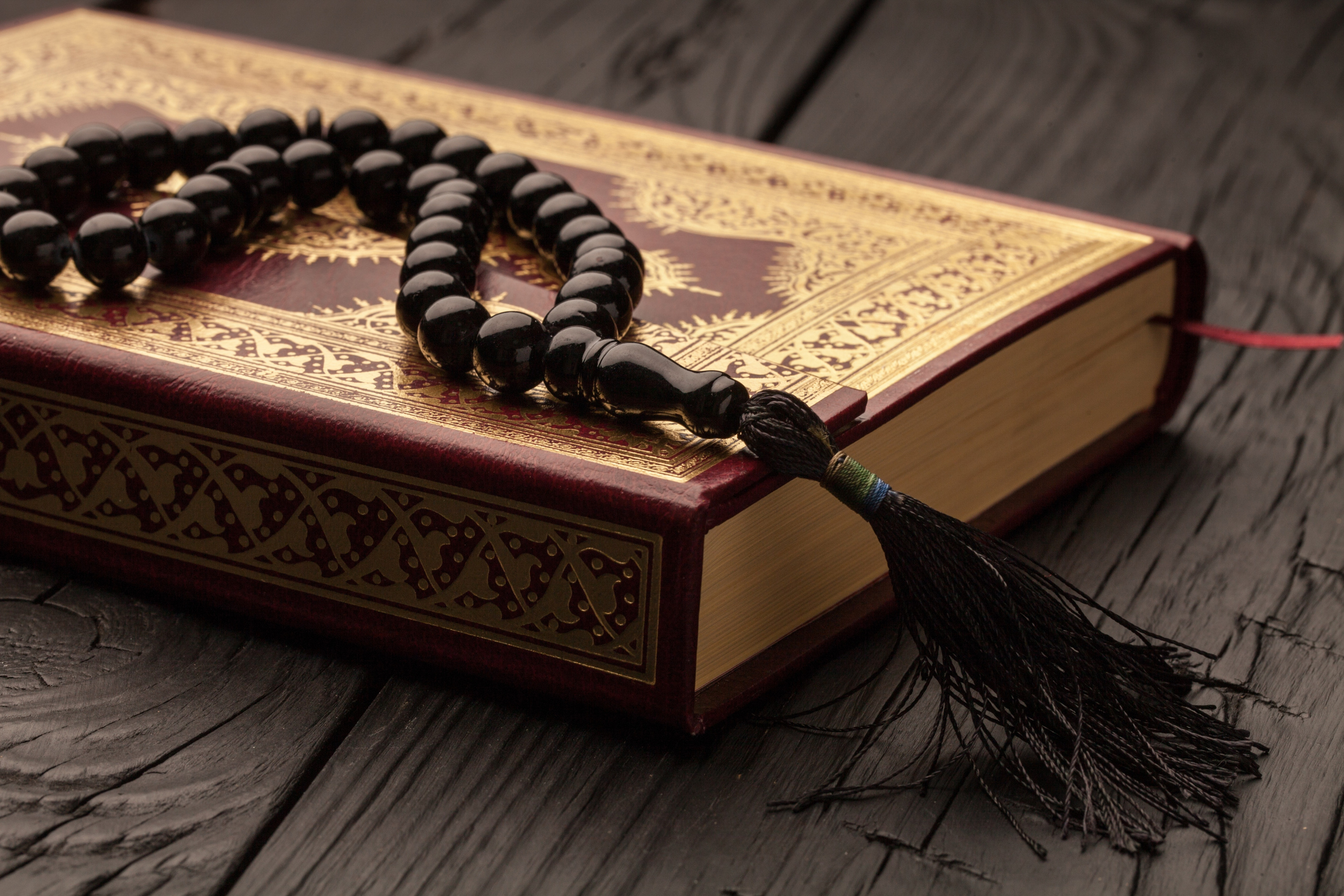 Quran Reading with Tajweed for Beginners online from your convenience