
IslamiCity
Listen PodCasts, Live Quran, Watch Videos @VideoHub

"Folks, I think it's a miracle," the host began. "No one can delete the Quran from this planet anymore because of what these guys have done."
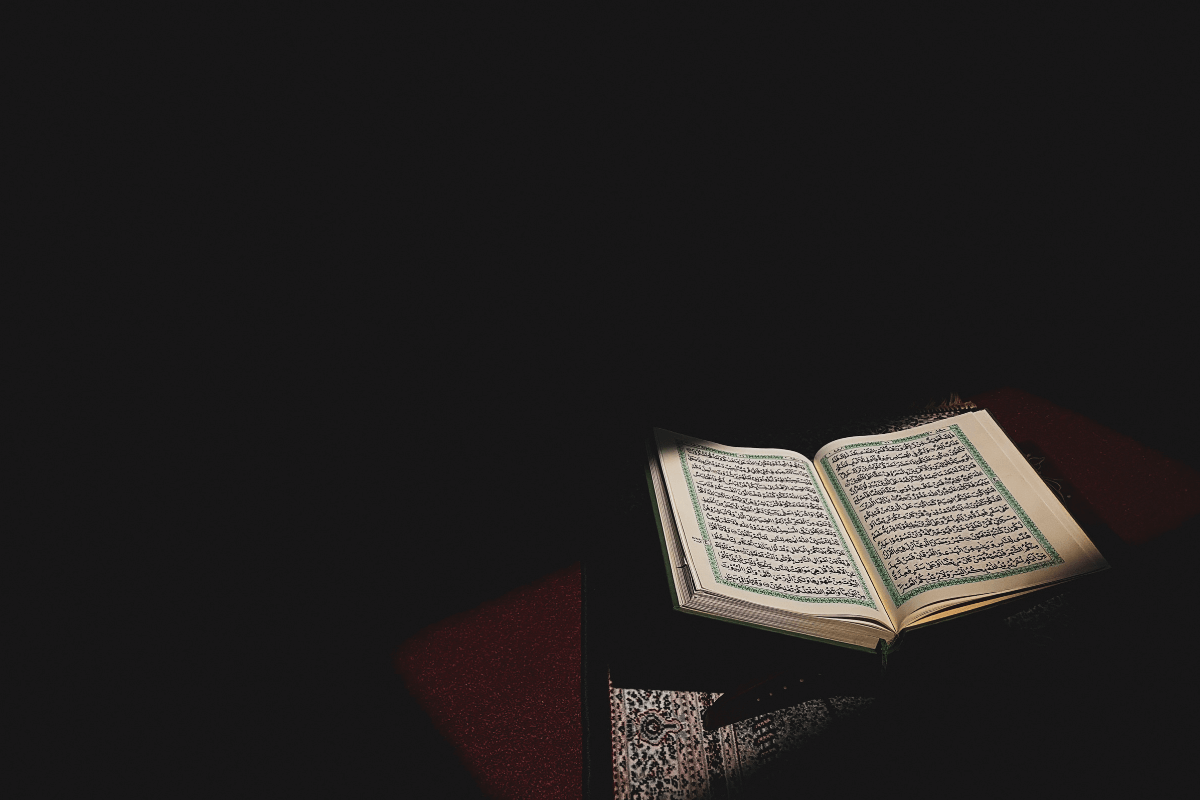
It was a bold statement - but not an exaggeration. Thanks to the vision and persistence of Brother Muhammad Abdul-Aleem, founder of the global online hub IslamiCity, the Quran now exists in a form that makes it virtually impossible to erase. Unless the entire internet goes dark, the sacred text will remain accessible to anyone, anywhere.
This year, IslamiCity celebrates its 30th anniversary - a milestone for an initiative that began not in a Silicon Valley startup incubator, but in humble community gatherings and volunteer projects.
Muhammad Abdul-Aleem's background wasn't in religious scholarship - it was in Management Information Systems, with years of experience in the nuclear and aerospace industries. But the Gulf War of 1991 changed everything.
At the time, he and his friends gathered weekly for Quran study circles led by his mother, focusing on verses that called for action. Watching the war's devastation unfold live on television was a turning point.
In response, they launched a humanitarian mission under the banner Human Assistance & Development International (HADI), delivering $250,000 worth of food and medicine to Iraq. They named the project Operation Assistance for Lamenting Mothers (ALM), distributing aid across Shia, Sunni, Christian, and other communities without discrimination.
But the group soon realized relief efforts, though necessary, were short-term. "It was a drop in the bucket," Abdul-Aleem reflected. They wanted to create something lasting.
During the Balkan Wars in the early 1990s, the team decided to focus on technology-based solutions. They established computer training centers in Croatia, Albania, and Bosnia - facilities that remain operational today.
By 1993, still in the pre-internet era, they were exploring bulletin board systems (BBS) - dial-up networks where users could access text-based Islamic content. The "Islamic Bulletin Board" was born, hosting news, articles, and early digital resources.
But the real breakthrough came in 1994 when browser technology emerged. The internet, previously the domain of researchers and academics, suddenly allowed text, audio, and video in one place.
Abdul-Aleem's team moved fast, registering digital real estate that would later become invaluable: islam.org, and allah.org. They envisioned not just a repository of theology, but a digital city - a welcoming online community.
That vision became IslamiCity.
By the late 1990s, IslamiCity had grown into one of the most visited Islamic websites in the world, drawing 3 million visits annually. Their flagship project was unprecedented: hosting the entire Quran online - in both text and audio form.
"We were the first organization to do that," Abdul-Aleem recalls. The Quran, accessible from anywhere in the world, could no longer be confined to physical books or local libraries. It was now part of the permanent digital landscape.
In 2000, Abdul-Aleem and co-founder Amr decided to take what they thought would be a short sabbatical from their careers to focus on IslamiCity full-time. That sabbatical has now lasted 25 years.
Under the nonprofit umbrella of HADI, they continued building tools - Quran and Hadith search engines, educational content, cultural archives - all with the mission of democratizing Islamic knowledge.
Abdul-Aleem is candid about the challenges of running a nonprofit, especially one in the long-term educational space. There were no perfect business school roadmaps for what they did. Instead, he emphasizes qualities like persistence and patience - and faith that Allah guides the path when the intention is sincere.
"Commit to doing good," he advises. "The path will reveal itself."
Today, IslamiCity stands as proof that technology, when used with vision and integrity, can safeguard sacred knowledge for generations. The Quran is no longer confined to paper, vulnerable to loss or destruction. It lives in countless servers and devices, in a thousand mirrors across the internet.
And for that, as the host said at the very start - it feels like a miracle.
 Tawheed in Science Through the Lens of Human Behaviour


