
IslamiCity
Listen PodCasts, Live Quran, Watch Videos @VideoHub

Marriage in Islam is more than a contract; it's a sacred bond that plays a critical role in both personal and communal life. This article delves into the essential aspects of marriage in Islam, including its significance, the marriage process, and the rights and responsibilities of spouses.
1. Proposal and Consent: The journey begins with a proposal (nikah), requiring the consent of both the bride and her guardian (wali). This step ensures that both parties willingly enter the marriage. 2. Mahr (Dowry): The groom is required to provide a mahr, a financial gift to the bride, symbolizing respect and commitment. This gesture is an important part of the marriage contract. 3. Nikah Ceremony: The nikah is formalized with a ceremony led by an imam or a qualified person, and it is documented with a written contract and the presence of witnesses. This formalization underscores the seriousness of the commitment.
- Husband's Role: Traditionally, the husband is the provider, responsible for financial support and protection. - Wife's Role: The wife manages the household and contributes to the family's well-being. Roles can be adapted based on mutual agreement and individual circumstances.
Both partners are expected to approach their roles with respect, care, and understanding, ensuring a balanced and supportive relationship.
Explore this insightful guide on FatwaHub to learn more about enriching your marital life with Islamic teachings and practices.
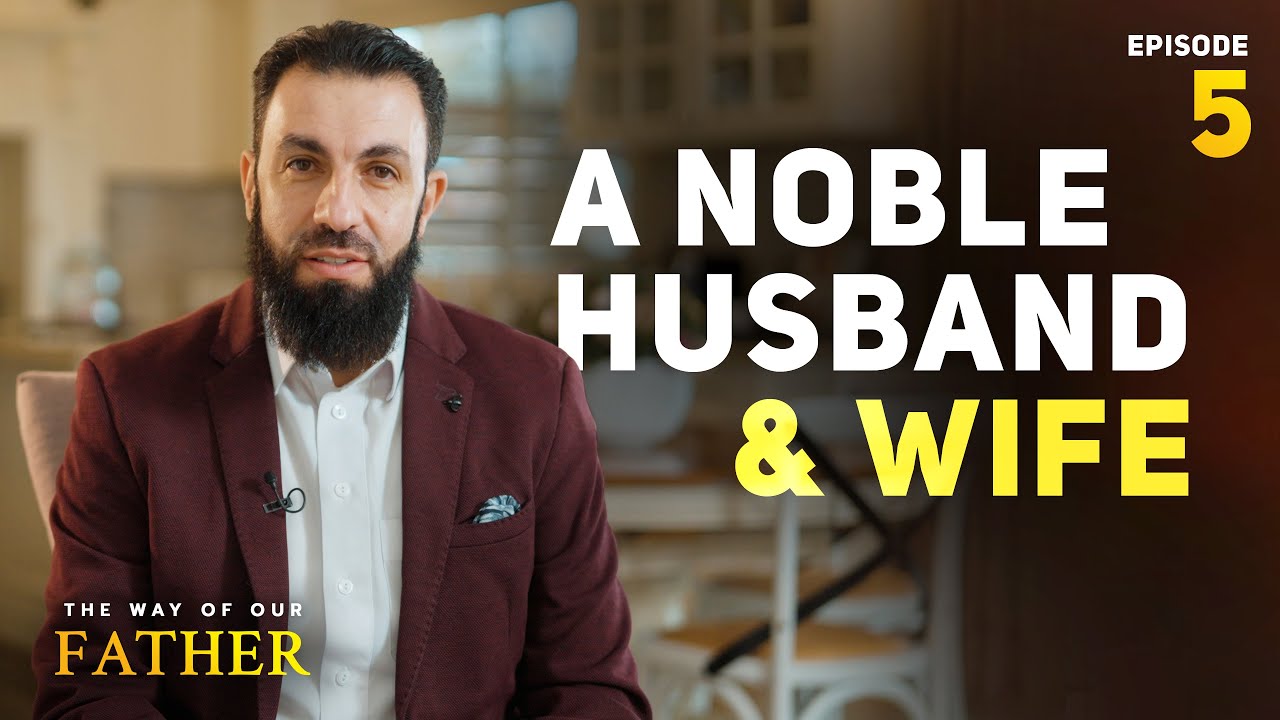 A Noble Husband and Wife


