Marriage

Marriage

About Marriage
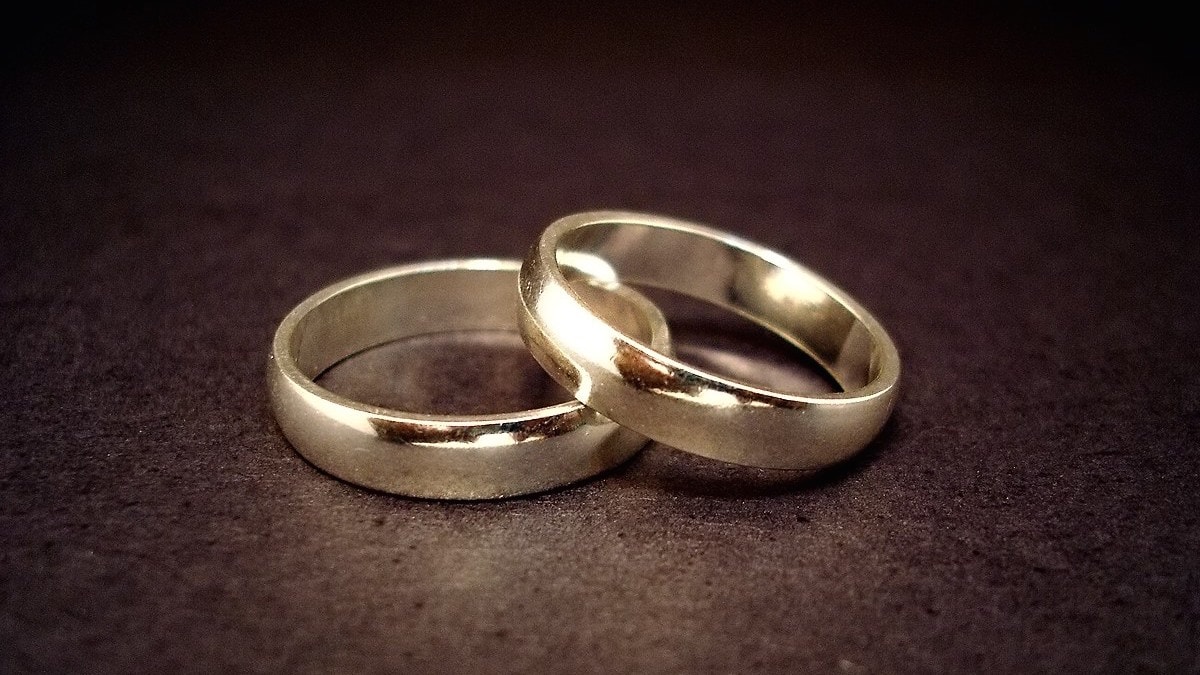
Marriage in Islam is a solemn and sacred contract (Nikah) that establishes a legal and moral bond between a man and a woman. It is not merely a social contract but a significant act of worship that is encouraged and highly valued in Islamic teachings. The primary purpose of marriage in Islam is to create a stable and loving family environment, promote companionship, and fulfill the natural desires of individuals in a lawful manner.
 
Key aspects of marriage in Islam include:
 
1. Contractual Nature: Marriage is viewed as a formal contract that requires the consent of both parties. The Shari'ah lays down specific rules and arrangements to ensure the stability and sanctity of this contract. The presence of witnesses and the payment of a dower (Mahr) are essential components of the marriage contract.
 
2. Consent and Guardianship: Both the bride and groom must willingly consent to the marriage. For women, the permission of a guardian (wali) is required, especially if she is younger or has not been previously married. The absence of guardian permission renders the marriage void.
 
3. Focus on Piety: When choosing a spouse, Islam emphasizes the importance of religious commitment and good character. The Prophet Muhammad (peace be upon him) advised that a woman may be married for her wealth, family status, beauty, or religion, but the most important factor should be her religious inclination.
 
4. Rights and Responsibilities: Marriage in Islam entails mutual rights and responsibilities. Both spouses are expected to treat each other with kindness, compassion, and respect. The Quran emphasizes the importance of love, mercy, and tranquility in marital relationships, stating that spouses should be a source of comfort for one another.
 
5. Prohibition of Adultery: Islam strictly prohibits adultery and any actions that may lead to it. The teachings of the Prophet Muhammad (peace be upon him) highlight the importance of maintaining modesty and chastity.
 
6. Family and Community: Marriage is seen as a means of building families and contributing to the larger community. It is encouraged to raise children within the framework of Islamic values, ensuring their moral and spiritual upbringing.


Blog Posts

Was Aisha (ra) 9 Years Old When She Married the Prophet (PBUH)?

Was Aisha (ra) 9 Years Old When She Married the Prophet (PBUH)?

The most commonly misunderstood and misrepresented topics in Islamic history: the age of Aisha (RA) at the time of her marriage to the Prophet Muhammad ď·ş.