
IslamiCity
Listen PodCasts, Live Quran, Watch Videos @VideoHub

 |
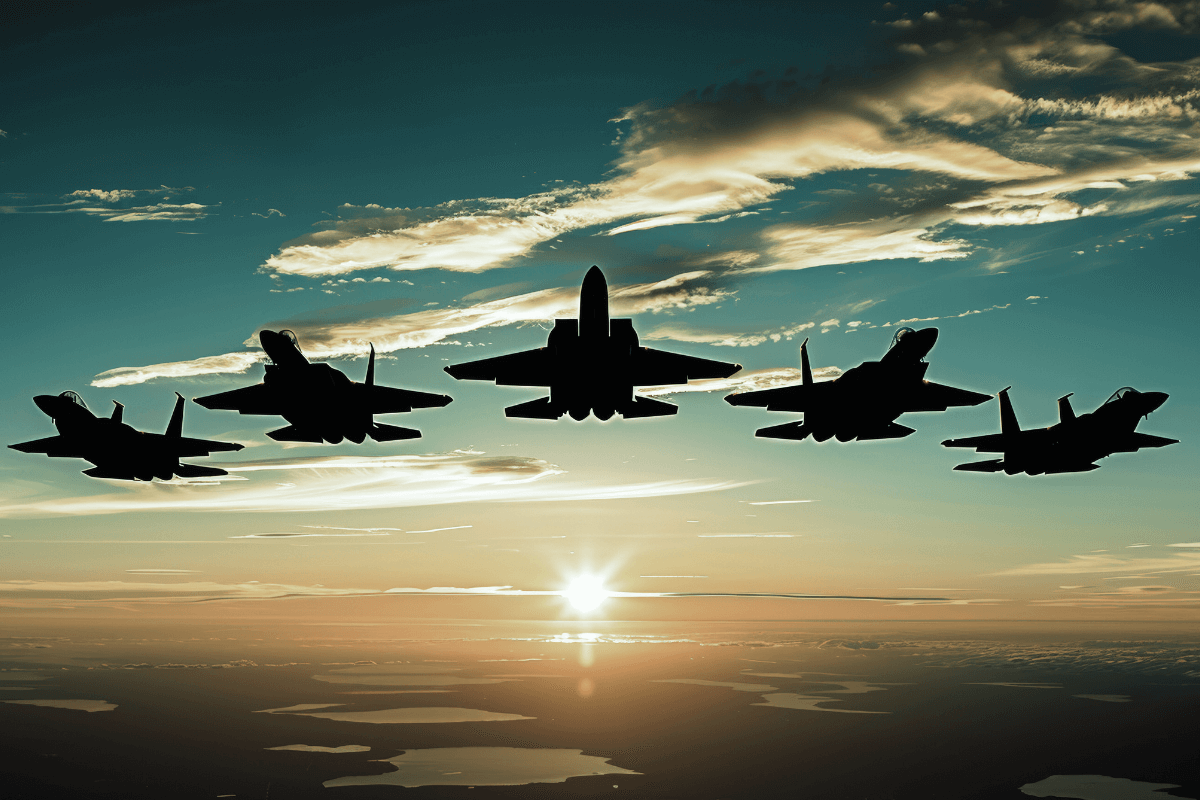
Israel's bombing of Lebanon, stretching into a second week, has the potential to draw Syria, Iran, and the US into wider war. Some in Washington would undoubtedly welcome it.
Whether Israel wrests any long-term advantage (a buffer zone in south Lebanon, or armed UN troops) from the blitzkrieg is highly uncertain. But last week's events are likely to be looked back on as a widening of the West's war on the Muslim world.
That Israel should decimate Lebanon because two soldiers were kidnapped is, of course, nonsense. Almost forgotten now is the fact that Hizbollah, the group that seized them, had a specific demand: that they be exchanged for three Lebanese prisoners.
EXPLOITATION
Israel has in fact exchanged prisoners with Hizbollah on several occasions, and often with other groups. Rather than standing on principle, Israel is simply exploiting the event to destructive advantage.
Israel, in fact, routinely does what Hizbollah did, seizing Palestinian and other prisoners, using them as bargaining chips in negotiation. (The Western press never calls this kidnapping.)
Ten thousand political prisoners languish in Israel's jails, most without rights or charges. Rights groups regularly charge Israel with use of torture.
Hizbollah is a large political party with a military wing. Credited with driving Israel from south Lebanon in 2000, it is popular throughout the Middle East.
The idea that Syria or Iran 'control' Hizbollah - like the notion that the US controls Israel - is nave. US President Bush's recent assertion that Syria should tell Hizbollah to "stop doing this shit" is nave, given that Syria was driven from Lebanon last year at US instigation.
Hizbollah holds 20 per cent of the Lebanese parliament and two government ministries. An attempt to disarm the group by Lebanon's government would likely be suicidal.
But Hizbollah's power should not be exaggerated, especially in comparison to Israel's. The Lebanese group's dearest hope in coming days must be that it can bring down an Israeli jet fighter, land Israel one particularly strong blow and declare victory (a risk Israel knows it's running).
Israel's wider aims - whether a desire for retribution, a warning to enemies, a sop to its frightened populace - remain unclear. Whether it destroys Hizbollah's gun emplacements or manages to kill some of the leadership, Israeli analysts must know that when the bombing stops, angry people will emerge from the craters. And re-arm.
Meanwhile, Lebanon suffers, and terribly. Last Monday Israel dropped 130 bombs on the country. The death toll stood at 300 Wednesday, almost all of the victims civilians, half a million having fled their homes.
The destruction might be likened to Armageddon if it didn't so resemble Israel's 1982 invasion and the effects of Lebanon's 15-year civil war. Two decades' rebuilding are undone, with tourism - the beautiful country's mainstay - again in tatters.
The idea that Lebanon will pay - as Israeli Prime Minister Ehud Olmert vows - for Hizbollah's actions goes beyond the concept of collective punishment condemned by the Geneva conventions. In cases like that of the 20 people killed by an Israeli missile while fleeing near Tyre on Saturday, with children's bodies "strewn across the road," it is simple slaughter.
The US long since gave up any pretence of impartiality in the Middle East. It 'stands with Israel'. At some point in the next 10 days - Israel having winked its readiness - US Secretary of State Condoleezza Rice will fly to Tel Aviv and order Israel to cease hostilities.
"The plan is for Israel to hit Lebanon for about another week," says the New York Times (July 19), confirming the two allies' cold calculus.
We have become so inured to bombing that we no longer see it as terrorism. Those living beneath the bombs do, however.
By accepting this outrage the West buys new enemies everywhere, and brings legitimacy to the idea - trumpeted by US right-wingers - that we are entering World War Three. At which point, they assume, we will have no choice but march in lockstep with them.
Matthew Kopka is a senior writer for Jamaica's Daily Gleaner newspaper


 Middle East Tensions Flare as Egypt Eases Restrictions on Activist, Violenc...