
IslamiCity
Listen PodCasts, Live Quran, Watch Videos @VideoHub

 |
On April 5 a suicide bomber killed 22 people at a Mosque in Chakwal, about 100 miles south of the capital of Pakistan, where Muslims of the Shia sect were worshiping. Once again, Shia and Sunni leaders vowed in public to fight the scourge of sectarianism and once again many of them in private spoke against each other.
The way Muslims have been killing each other in some parts of the world in the name of Allah for preserving the identity of their sect is unfortunate and unacceptable. Even though it is carried out in the name of Allah, it has nothing to do with either Allah or the teachings of Allah. Those who indulge in these kinds of acts are criminal scoundrels and murderers, regardless of the title they carry with them or the status they enjoy. Those who provoke the killing and those who carry out the killing argue that they are serving Allah and earning a place in paradise without looking at the hell they create in the life of their community and the country. How un-Islamic and cruel is the thought that Allah can be pleased only when part of His creation is killed and the places where people relate with him are destroyed. How barbaric is the idea that Allah will even be more pleased if the blood is shed in a mosque, a place reserved for remembering Allah. Those who use any justification to provoke violence in the name of Allah must be brought to justice.
Most of these people carrying out acts of violence are not born with hate; they are being indoctrinated by people who claim to be religious leaders. These leaders often manipulate illiterate and economically marginalized followers to commit acts of violence.
We need to recognize that there are many Shia and Sunni leaders who give the impression that they respect the other, but in private they denounce the other.
At times the rhetoric that goes on in many houses of worship created to serve Allah and His creation is poisonous. Both sides support their bias based on a literature that has nothing to do with the Quran, the eternal message of guidance as believed by Muslims.
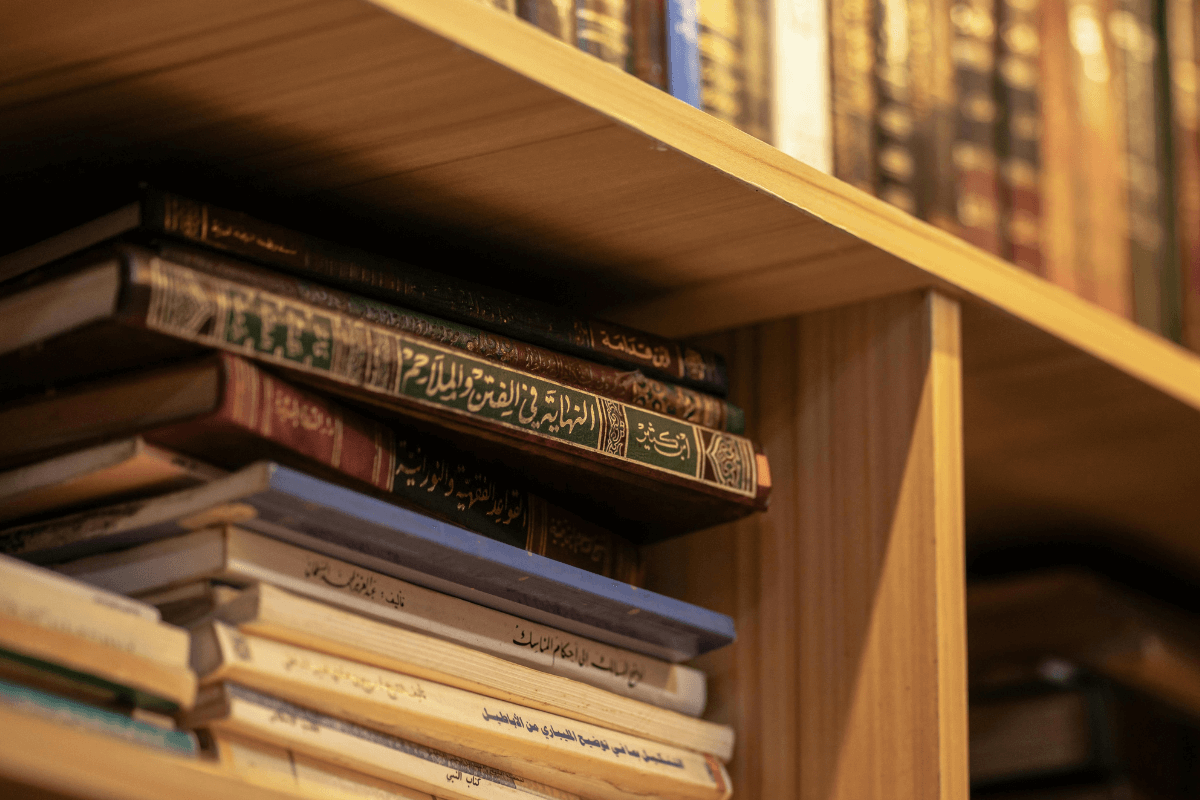
This literature was produced by the so called sunni and shia scholars on the basis of oral narrations and transmission of events compiled some 200 to 300 years after their occurrence. The literature depicts the other as an incomplete Muslim. It is this literature that is quoted extensively by many contemporary Shia-Sunni scholars to provoke hatred and violence. Each of them makes subtle or openly derogatory references to the other. A careful analysis of the words and works of some contemporary prominent scholars would reveal the level of negativity that is justified on the basis of the Quranic text and the sayings of the Prophet. Some of the books often quote the Prophet against either of the two knowing fully well, that the division of Muslims into Shia and Sunni groups emerged long after his departure from this world. Surly the Prophet was neither a Shia nor a Sunni.
Not many are interested in removing the hateful contents from their vocabulary or books in the light of what is said by the Quran. This divine scripture, as believed by Muslims, is the only criterion to determine the validity of ideas and even events. On the contrary, some of these Shia and Sunni scholars and leaders negate the Quranic teachings and give much more credence to incidents that are referred to in history books written centuries after their occurrence.
Many books about the history of early Muslims often talk about the conflict between the companions of Prophet Muhammad in the context of Shias and Sunnis when they never claimed to be Shia or Sunni. They refer to them as power hungry Muslims. All these books were compiled on the basis of oral narrations that tend to exaggerate differing points of view. Many of the stories used to promote shia or sunni views, contradict the Quranic verses about the character of Prophet's companions. The Quran describes the Prophet's companions as those who were kind and compassionate to each other. It projects them as those whom Allah accepted as genuine believers without any exception and who accepted Allah as their Lord. Yet many books of early history of Islam project them as power hungry and blood thirsty on the basis of oral references.
Shia, Sunni and other sectarian differences that Muslims have created are against the creed of faith and the spirit of the divine message.
The Quran, which all sects believe to be of Divine origin does not promote any particular sect. In fact, it describes such man made views no less sinful than an act of polytheism.
Muslim religious leaders are making little progress in overcoming sectarian differences. They often issue ceremonial statements to create the impression that they are above these sectarian differences.
However, they know it fully well that their popularity thrives on preserving these differences. They have become prisoners of their own history fearful of going against their predecessors, even though many may realize that they were wrong.
Ongoing sectarian differences have weakened the community and deprived it of playing an effective role in the world they live. If this situation is allowed to continue it has the potential of making every conscious Muslim disillusioned with his/her faith.
In addition to ceremonial Shia-Sunni meetings, serious deliberations are needed between the religious leaders of the two communities to develop a better understanding of each other so that the existing literature can be purged of all hateful and negative writings and offensive and derogatory speech may be stopped. This is the need of the hour and its postponement would only result in more bloodshed.
Dr. Aslam Abdullah is editor of the Detroit based English weekly, Muslim Observer, director of the Islamic Society of Nevada, Las Vegas and the recently elected General Secretary of the World Council of Muslims for Interfaith Relation. He is also the vice President of the Muslim Council of America, MCA.


 Surfing the Tsunami: The Unthinkable Future and the Forgotten Three Princip...