
IslamiCity
Listen PodCasts, Live Quran, Watch Videos @VideoHub

 |
The lines from Shakespeare's Macbeth, which is also about political assassination, go "Double, double toil and trouble; Fire burn and cauldron bubble". The cauldron has been bubbling indeed for some time in Pakistan and the witches have been at it!
In the wake of the assassination of opposition leader and former Prime Minister Benazir Bhutto, there are genuine concerns about Pakistan deteriorating further into anarchy and civil war. These concerns are valid and have been there all along for the last several months on account of the political tug-of-war that has been going on between the army and the politicians. Events came to a head with the involvement of the judiciary when Gen. Musharraf summarily dismissed the chief justice of the Supreme Court of Pakistan.
Political assassinations are not new to Pakistan. The first Prime Minister Liaqat Ali Khan was killed soon after Pakistan came into being. Later Gen. Zia ul-Haq who had taken over in a military coup deposing Benazir's father Zulfiqar Ali Bhutto was killed when his plane was blown out of the sky; earlier Zia had hung Zulfiqar Ali Bhutto on various charges. Benazir's brother who had just embarked on his political career in opposition to his sister Benazir's policies was also killed by unknown gunmen. The recent assassination of Balloch leader Nawab Akbar Bugti is yet another example. The common thread in all of these is that no one is actually sure of who is responsible for these crimes. Following these acts there are always any number of analysis and theories. This may not be that unusual. Even to this day the Kennedy assassination continues to generate new scenarios about who actually killed him and why.
Pakistan's highly polarized, personality-dominated political culture is even more susceptible to these attitudes. The trauma from this assassination has expectedly generated much grief and anger.
All of the anger is being directed at Musharraf and the tendency is to hold him solely responsible for this heinous act. With the elections scheduled for early next month - some doubt if these will be held now - the leaders of the opposition parties may see this as an opportunity to garner votes by tapping into the raw emotions of the masses using anti-Musharraf rhetoric and slogans. Yet again this act of political opportunism will not serve the long-term interests of Pakistan.
This is not entirely new about Musharraf but about Pakistan.
What has just been splashed across the face of Pakistan is the distillate of corrupt political practices mixed with an aberrant religious ideology and individual avarice and ambition.
It is quite easy to put the entire blame on Musharraf's lap because this happened on his watch and because of his recent political blunders. Every analysis by the so-called experts, especially Pakistanis, who are in academia and think tanks in this country, is overwhelmed with the notion of giving Musharraf the entire responsibility for what happened. Yet this is neither accurate nor in the best interest of Pakistan and its people.
It must be clearly understood that the safety and survival of not just Pakistan but the entire region rests on joining together in a war against a common enemy - extremism - and to defeat it decisively. This is the major priority, not just winning elections. All parties in Pakistan and their leadership must rise above partisan politics and blame game to see the face of the real enemy and engage the attention of their constituencies on this critical issue. Pakistanis can no longer dismiss this merely as "America's war on terror". It is indeed a war for their survival as a nation.
A verse from another of Shakespeare's tragedies, a drama of political assassination says, "I have come to bury Caesar not to praise him". In this critical hour it is not about Musharraf only, it is about Pakistan and peace in the region.
- Dr. Nazir Khaja is a founding member of Council of Pakistani-American Affairs. E-mail at: [email protected]
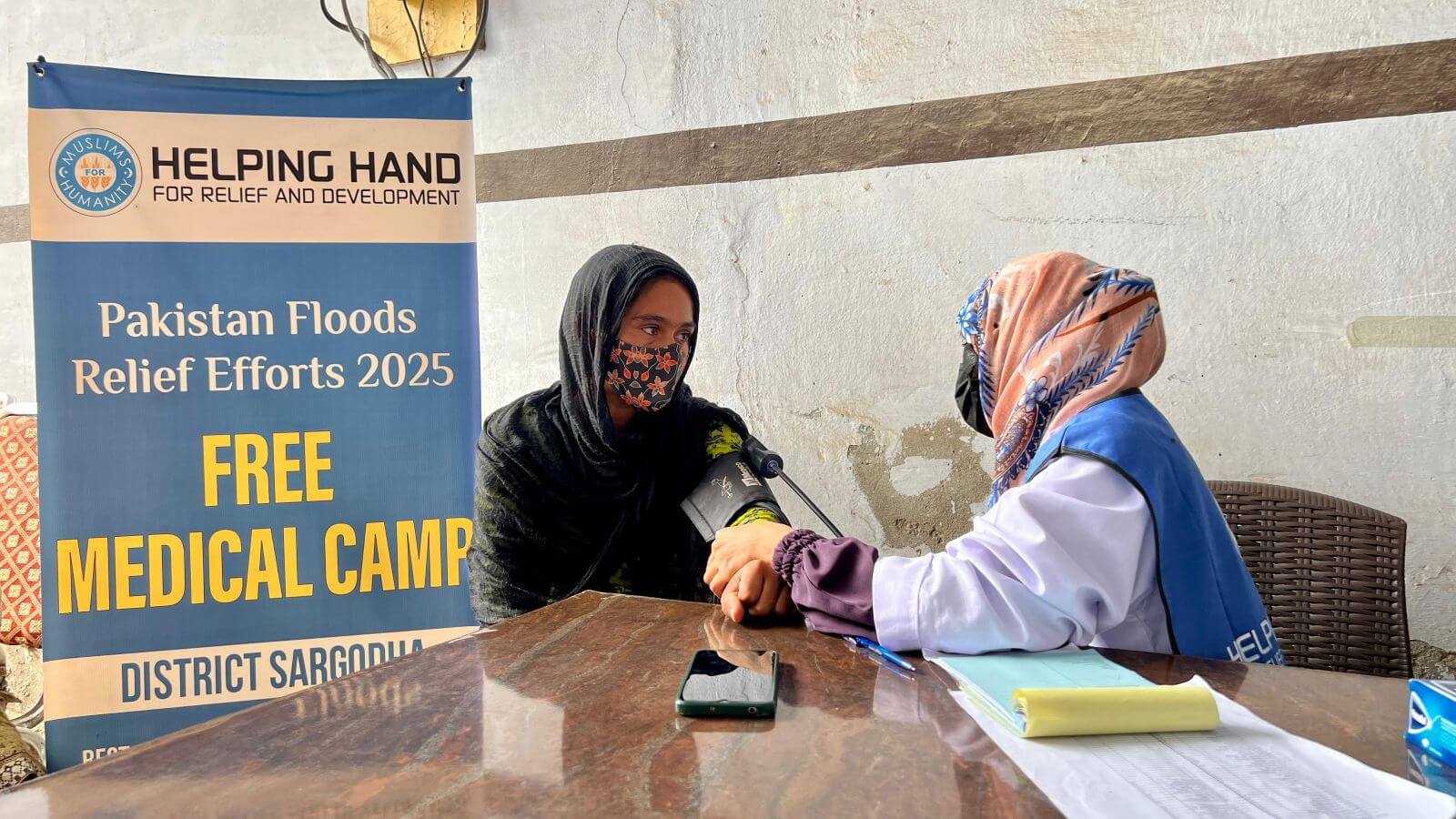 HHRD Appeals for Urgent Support for Pakistan’s Flood Victims


