
IslamiCity
Listen PodCasts, Live Quran, Watch Videos @VideoHub

 |
The hundreds of thousands of Pakistanis whose lives were shattered by an earthquake on Saturday were not just living on a geological fault line. They were doubly victimized by the political fissures that have inhibited political and economic development in this corner of Asia for almost 60 years.
Some Pakistani officials put the death toll as high as 40,000, with falling debris causing most of the deaths, many of them in schools. Much is known today about ways to protect buildings from earthquake damage, but doing so would be an unachievable luxury in a nation where the gross domestic product was only $2,200 per person in 2004. Many buildings are being strengthened in Japan, another nation vulnerable to earthquakes, but there the comparable GDP figure in 2004 was $29,400.
In the late 1940s, while the Japanese were climbing out of the rubble of World War II, Pakistan was about to split from India and declare its independence - a decision that has held back Pakistani society ever since. Instead of being part of a huge developing nation, Pakistan has endured three wars, unrelenting tension, and the militarization of society.
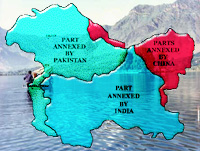
No section of the subcontinent has felt this conflict more than Kashmir, where the earthquake was centered. Split in two during the first Indo-Pakistani war, it has never known peace. Income figures were not available for the third of the province controlled by Pakistan, but surely they are far less than would be the case if Kashmir were at peace. Kashmiris live, work and are educated in buildings whose shoddy construction reflects the surrounding poverty and lax standards.
Some Pakistanis were angry at the slow response of their military to the disaster. Government stumbles can happen in any society - as Americans affected by Hurricane Katrina know too well - but in Pakistan, the military holds power and consumes a disproportionate share of economic output. The Pakistani military ought to play a dominant role in disaster relief, yet its energies are consumed by the conflict with India, including the development of nuclear weapons.
India volunteered to send relief supplies, which was considered a gesture of some magnitude. A better contribution would be the settlement of the Kashmir dispute, but the best resolution - a popular referendum in which independence would be an option - finds little favor with the militants on either side.
Estimates of the earthquake toll are still far less than the deaths caused by the conflict over Kashmir, which India puts at 60,000 for its side alone. In Kashmir, whether by unsafe construction or acts of violence, humans are far more adept at killing than nature is.
The hundreds of thousands of Pakistanis whose lives were shattered by an earthquake on Saturday were not just living on a geological fault line. They were doubly victimized by the political fissures that have inhibited political and economic development in this corner of Asia for almost 60 years.
Some Pakistani officials put the death toll as high as 40,000, with falling debris causing most of the deaths, many of them in schools. Much is known today about ways to protect buildings from earthquake damage, but doing so would be an unachievable luxury in a nation where the gross domestic product was only $2,200 per person in 2004. Many buildings are being strengthened in Japan, another nation vulnerable to earthquakes, but there the comparable GDP figure in 2004 was $29,400.
In the late 1940s, while the Japanese were climbing out of the rubble of World War II, Pakistan was about to split from India and declare its independence - a decision that has held back Pakistani society ever since. Instead of being part of a huge developing nation, Pakistan has endured three wars, unrelenting tension, and the militarization of society.
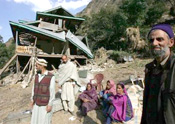
No section of the subcontinent has felt this conflict more than Kashmir, where the earthquake was centered. Split in two during the first Indo-Pakistani war, it has never known peace. Income figures were not available for the third of the province controlled by Pakistan, but surely they are far less than would be the case if Kashmir were at peace. Kashmiris live, work and are educated in buildings whose shoddy construction reflects the surrounding poverty and lax standards.
 |
Some Pakistanis were angry at the slow response of their military to the disaster. Government stumbles can happen in any society - as Americans affected by Hurricane Katrina know too well - but in Pakistan, the military holds power and consumes a disproportionate share of economic output. The Pakistani military ought to play a dominant role in disaster relief, yet its energies are consumed by the conflict with India, including the development of nuclear weapons.
India volunteered to send relief supplies, which was considered a gesture of some magnitude. A better contribution would be the settlement of the Kashmir dispute, but the best resolution - a popular referendum in which independence would be an option - finds little favor with the militants on either side.
Estimates of the earthquake toll are still far less than the deaths caused by the conflict over Kashmir, which India puts at 60,000 for its side alone. In Kashmir, whether by unsafe construction or acts of violence, humans are far more adept at killing than nature is.
The hundreds of thousands of Pakistanis whose lives were shattered by an earthquake on Saturday were not just living on a geological fault line. They were doubly victimized by the political fissures that have inhibited political and economic development in this corner of Asia for almost 60 years.
Some Pakistani officials put the death toll as high as 40,000, with falling debris causing most of the deaths, many of them in schools. Much is known today about ways to protect buildings from earthquake damage, but doing so would be an unachievable luxury in a nation where the gross domestic product was only $2,200 per person in 2004. Many buildings are being strengthened in Japan, another nation vulnerable to earthquakes, but there the comparable GDP figure in 2004 was $29,400.
In the late 1940s, while the Japanese were climbing out of the rubble of World War II, Pakistan was about to split from India and declare its independence - a decision that has held back Pakistani society ever since. Instead of being part of a huge developing nation, Pakistan has endured three wars, unrelenting tension, and the militarization of society.
No section of the subcontinent has felt this conflict more than Kashmir, where the earthquake was centered. Split in two during the first Indo-Pakistani war, it has never known peace. Income figures were not available for the third of the province controlled by Pakistan, but surely they are far less than would be the case if Kashmir were at peace. Kashmiris live, work and are educated in buildings whose shoddy construction reflects the surrounding poverty and lax standards.
Some Pakistanis were angry at the slow response of their military to the disaster. Government stumbles can happen in any society - as Americans affected by Hurricane Katrina know too well - but in Pakistan, the military holds power and consumes a disproportionate share of economic output. The Pakistani military ought to play a dominant role in disaster relief, yet its energies are consumed by the conflict with India, including the development of nuclear weapons.
India volunteered to send relief supplies, which was considered a gesture of some magnitude. A better contribution would be the settlement of the Kashmir dispute, but the best resolution - a popular referendum in which independence would be an option - finds little favor with the militants on either side.
Estimates of the earthquake toll are still far less than the deaths caused by the conflict over Kashmir, which India puts at 60,000 for its side alone. In Kashmir, whether by unsafe construction or acts of violence, humans are far more adept at killing than nature is.
Source: The Boston Globe
 Pakistan Cracks Down Brutally as Kashmir Protests Turn Deadly


