
IslamiCity
Listen PodCasts, Live Quran, Watch Videos @VideoHub

 |
The Iraqi Council has agreed and signed the Constitution; the formation of a new constitution is underway in Afghanistan. Kicking and screaming, the countries are being dragged to the table of democracy. All the posturing by leaders of Muslim nations to discount or marginalize the U.S. led efforts to ram democracy down their throats will not succeed. In the short run, the loud protests of the leaders tap into the prevailing anti-American mood that exists in the Muslim world - a mood that is a result of the wars in Afghanistan, Iraq and the unjust U.S. foreign policy toward the Palestinians.
In the long run, though these issues have currently provided the leaders of the Muslim world an easy opportunity to keep the anger of the Muslim masses pegged, the real issue the Muslim leaders must face is their own inability to deliver hope and opportunity for the building of a future for their own people. Having no reference to a frame of representative if not democratic government either in their historical or present collective memories, the masses and the leadership both need help from another source, even if that source is the U.S.
It is true that if our plans for democracy in the Muslim countries are to succeed, the U.S. government must have the involvement if not endorsement of the leadership in the area. Yet, the performances and achievements of the leaders in enhancing any form or facet of truly representative governments with full transparency or accountability show that they are not capable of facilitating the process. In fact this would be contrary to their interests and their hold on power.
The challenge for our government then is to bypass these leaders and tap into the masses directly. This will not be easy. As already stated, the anger and resentment against the U.S. is at its highest in the Muslim world. This certainly makes our government's efforts even more difficult.
The framing of the constitutions of Iraq and Afghanistan, for which our Government has exerted great efforts, is certainly a welcome beginning. In this difficult process, all parties involved are still on a learning curve - the Iraqis and the Afghans with their various factions and our own government. There will be periods of uncertainty and mistakes will be made. The hard-liners within the Muslim world will continue to de-legitimize any constitution or any form of government that is not based on their definition or interpretation of the Shariah (the Islamic legal framework and the foundational basis of Muslim society), the Quran and the traditions of Prophet Muhammad. Our government, in order to address this issue, has painstakingly made efforts to enlist and consult scholars both in Iraq and Afghanistan. Committees have been formed that give their input in the making of formalized documents and processes pertaining to implementation and power-sharing. This is more than any effort made for the people of Iraq or Afghanistan by their own leaders, some of whom have ruled their countries for decades. Yes, there may be significant disagreements and indeed room for amendments, but as the processes get established and go forward, the will of the Muslim masses will hopefully prevail in bringing about the necessary changes.
Having broken the ice, our government must now look at its relationship with strategic partners in the Muslim world. We must suggest if not demand constitutional reforms and other prerequisites for democracy, that is, transparency and accountability, from the leaders of the countries to whom financial and even military aid is being provided. The process might require changes in the rules of engagement with these countries and it might seem to "compromise" our interests momentarily, yet over a period of time it will yield a bigger dividend for us and also the people of the region. It will establish a durable bond between the US government and the people of the area, if not the leaders, and this is how true representative governments will emerge.
More efforts through local NGOs to bolster economic and social development in these areas will certainly facilitate the progress toward democracy in the regions.
Lastly, the question, "Why do they hate us?" that is being asked increasingly on both sides of the divide, in the U.S. and Muslim countries, must be examined objectively. The rage of the Muslim masses against the U.S. predates Afghanistan and Iraq. The issue throughout has been our blind support of Israeli governments who continue to violate all international and human rights, unfettered by and on the contrary with the tacit support of U.S. policy makers. Suicide bombings are acts of desperation and depravation. They are against the true teachings of Islam and must be condemned. Yet it must also be recognized that evasiveness about Israeli occupation and the moral question inherent in the dehumanization of the Palestinians by Israeli authorities must be acknowledged and addressed. This is the cornerstone of the hatred of the U.S. in countries in the Middle East and the Muslim world. Otherwise, America, and the freedoms and opportunities it offers to the "huddled masses," are objects of adulation and hope as well as examples to follow for the Muslim masses from Afghanistan to Algeria.
If the U.S. is serious about winning the war on terrorism, it must actively intervene in bringing about a just resolution to the Israeli-Palestinian conflict. Of the proposed U.S. Road Map, neither "map" nor "road", remains. More than the "victories" in Afghanistan and Iraq, the US government can really win a big one for the cause of global peace and justice by being more even-handed in demanding that the Israeli Government comply with international laws and the principles of human rights. This, more than any other issue, will establish the credibility of our government with the international Muslim population and will facilitate the important task of building democracies in the Muslim world.
Dr. Nazir Khaja is a Pakistani American. He is Chairman of Islamic Information Service that produces weekly Islamic programs for television. He practices and teaches Medicine. He is also active in inter-faith dialogues and activities related to Peace, Justice and Mutual Tolerance.
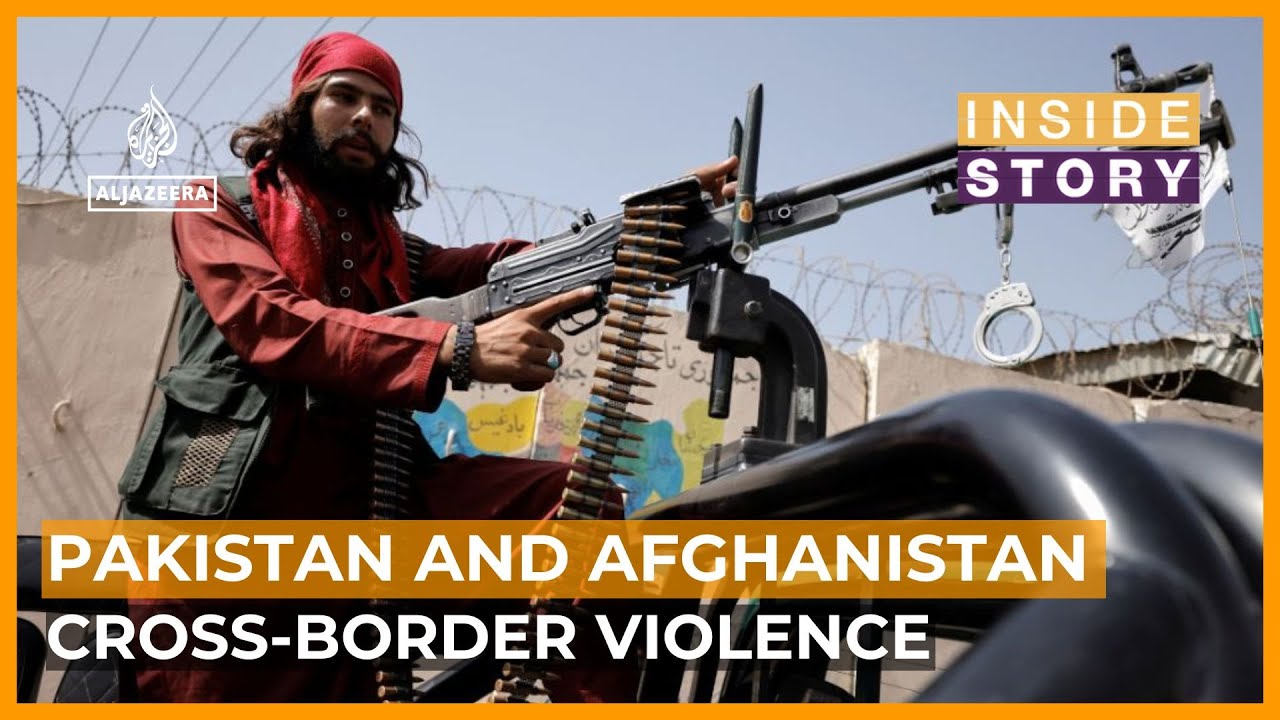 Why are relations between Pakistan and Afghanistan so tense?


