
IslamiCity
Listen PodCasts, Live Quran, Watch Videos @VideoHub

 |
In a time when the Muslim world map is being reconstituted and political alliances are shifting, the future of the 1400-year-old Islamic-Coptic relations may play an integral part in shaping the long-term stability of Egypt. Will the Egyptian Coptic community side with its Muslim neighbors to reform the currently corrupt government as it did more than half a century ago or will external forces and short-sighted Egyptian individuals fuel hatred among the Copts and Muslim to disrupt the historically delicate harmony and peaceful coexistence? Will the Copts ask for an autonomous or independent state in Egypt like the Southern region of the Sudan or will the Muslim and Coptic leaderships carefully re-evaluate their often good but sometimes sour relationships to re-craft them for a longer lasting peace?
Author Sohirin Mohammad Solihin states in his book 'Copts and Muslims in Egypt: A study on Harmony and Hostility':
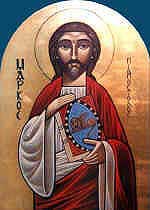
The term Copt is used to refer to the indigenous Christian of Egypt. After the Muslim conquest at the hands of Amr bin al-As, in 639 CE, under the command of the second caliph, Umar ibn al-Khattab, Copts, by and large, having experienced the cruelty of the Roman Empire which opposed Christianity and massacred hundreds of thousands of the followers of St. Mark, founder of the Coptic faith, turned to Islam. Cyrus, the archbishop of Alexandria, following the fall of Babylon described Muslims in these words:
'We have witnessed a people to each and everyone of whom death is preferable to life, and humility to prominence, and to one of whom this world has the least attraction. They sit not except on the ground and eat not but on their knees. Their leader (Amir) is like unto one of them: the low cannot be distinguished from the high, nor the master from the slave. And when the time of prayer comes, none of them absents himself, all wash their extremities and humbly observe their prayers.'
In view of the position of Egypt, as the home of the Copts long before he reached Egypt, the prophet Muhammad (pbuh) had clearly warned his Companions: 'If God bestows His grace on you to conquer the country (Egypt), take mutual advice from its inhabitants as I have marital kinship with them'. As Islam guarantees free choice of religion, a number of Egyptians retained their indigenous Coptic belief.
The long, peaceful co-existence between the two communities, particularly prior to (Egypt) independence, deserves special attention. They jointly struggled to Liberate Egypt from foreign domination. In taking the liberation campaign to the masses, priests and Muslims Shaikhs used both religious platforms - church and mosque - in an endeavor to bring to an end the British occupation. Surprisingly, the Copts resented the entry of Western Christian mission into Egypt. The efforts of Western Christian mission to bring the Copts, before an approach was made to the Muslims, into their faith was not successful. Relations between the two communities ebbed and flowed.'
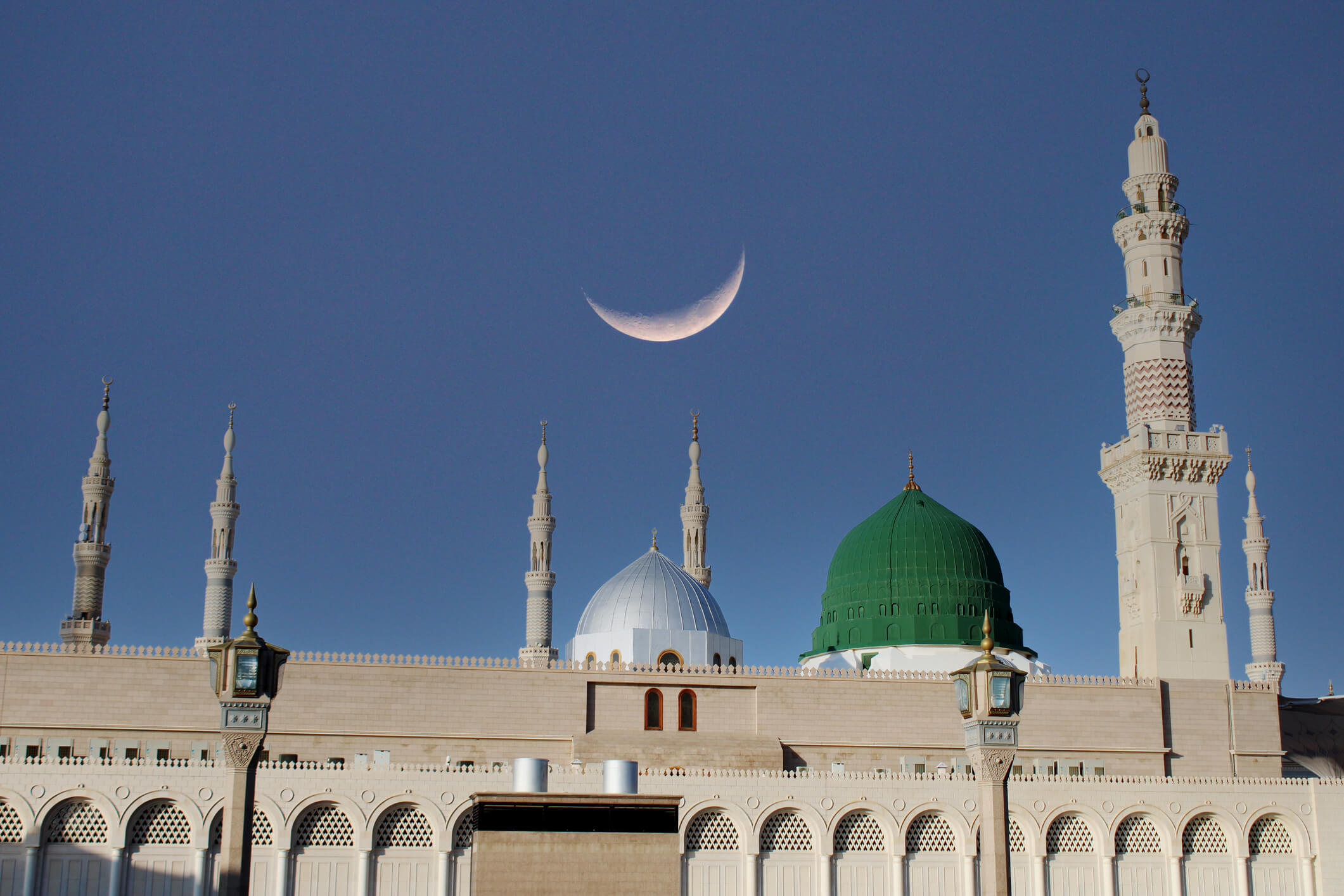 Islam becoming the largest and most popular faith in the world


