
IslamiCity
Listen PodCasts, Live Quran, Watch Videos @VideoHub

What makes a society just, compassionate and prosperous? Is it better laws, stronger institutions or more effective leadership? While all these are important, Islam identifies a more fundamental starting point: the transformation of the human self.
Even the most sophisticated systems of government cannot guarantee justice if those administering them lack moral integrity. Conversely, individuals of noble character can improve imperfect systems. The Quran establishes this timeless principle:
"Indeed, Allah will not change the condition of a people until they change what is in themselves." (Quran 13:11)
Our destiny depends upon which of these forces we nurture.
The Quran declares:
"Successful indeed is the one who purifies their soul, and doomed is the one who corrupts it." (Quran 91:9-10)
Islam recognizes the inherent goodness of human nature, known as fitrah. However, social influences, destructive habits and worldly temptations can gradually obscure this natural disposition.
The purpose of Islamic teachings is to restore and strengthen this original purity.
Prophet Muhammad ﷺ illustrated the danger of unchecked greed by explaining that if a person possessed a valley of gold, they would desire another. (Riyad as-Salihin 23)
True contentment comes not from endlessly satisfying our desires but from learning to govern them.
Islam advocates moderation, avoiding both excessive indulgence and unnatural deprivation.
Prayer cultivates discipline, fasting strengthens self-control, zakat challenges selfishness, and Hajj reinforces humility and human equality.
Moral excellence does not emerge overnight. It requires consistent effort, conscious reflection and spiritual nourishment.
Ultimately, the effectiveness of worship is reflected in the character it produces.
The transformation of civilization begins with the transformation of the individual. Before we can reform the world around us, we must undertake the most consequential struggle of all: reforming the world within us.
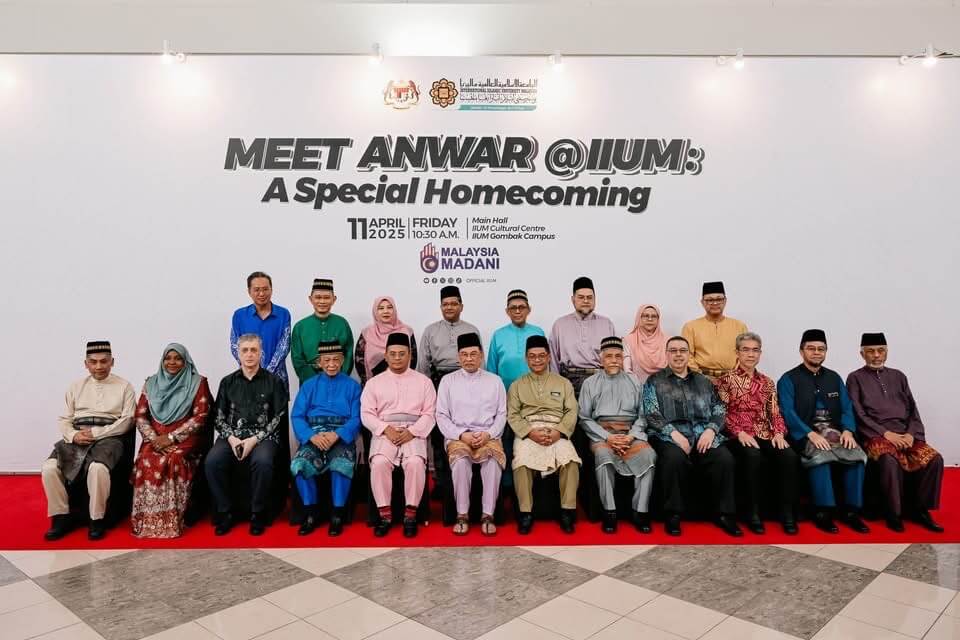 Education for Justice: Anwar Ibrahim’s Call to Action at IIUM


