
IslamiCity
Listen PodCasts, Live Quran, Watch Videos @VideoHub

Mercy Bakery began with a family facing loss. In 2018, after his brother died, Maeen Ali sought a way to support his brother's widow, five children, and other families who had lost their breadwinners. In response, he established a bakery in Sana'a that would provide fresh bread to families in need.
What began as an effort to help one community grew as neighboring communities sought similar assistance. Today, Mercy Bakery is part of HRD's wider humanitarian work, demonstrating how a local response to hardship can develop into an organized effort to address recurring hunger.
The need it addresses is persistent. For families living through poverty, displacement, or humanitarian crises, hunger rarely ends after one meal or a single food distribution. Access to food remains a daily concern, requiring assistance that can continue even when public attention moves elsewhere.
From a Local Bakery to a Wider Food-Relief Mission
Mercy Bakery was established on a straightforward principle: families facing hardship need dependable access to basic food.
The first bakery provided bread to families affected by Yemen's conflict. As the initiative grew, HRD expanded its food-relief work by introducing Mercy Kitchen in 2020 to provide prepared meals alongside bread distribution.
This development addressed an important practical need. Bread can help households meet daily food needs, while prepared meals offer another form of support, especially for people whose circumstances make obtaining or cooking food difficult.
Mercy Bakery and Mercy Kitchen now form part of HRD's wider humanitarian response, combining food preparation with distribution efforts designed to reach vulnerable communities.
In 2025, HRD provided 676,743 hot meals, distributed 775,000 loaves of fresh bread, and delivered 1,236 family food baskets. These figures demonstrate the reach of HRD's food-relief activities and highlight the ongoing work required to make food available to families whose needs do not disappear after a single distribution.
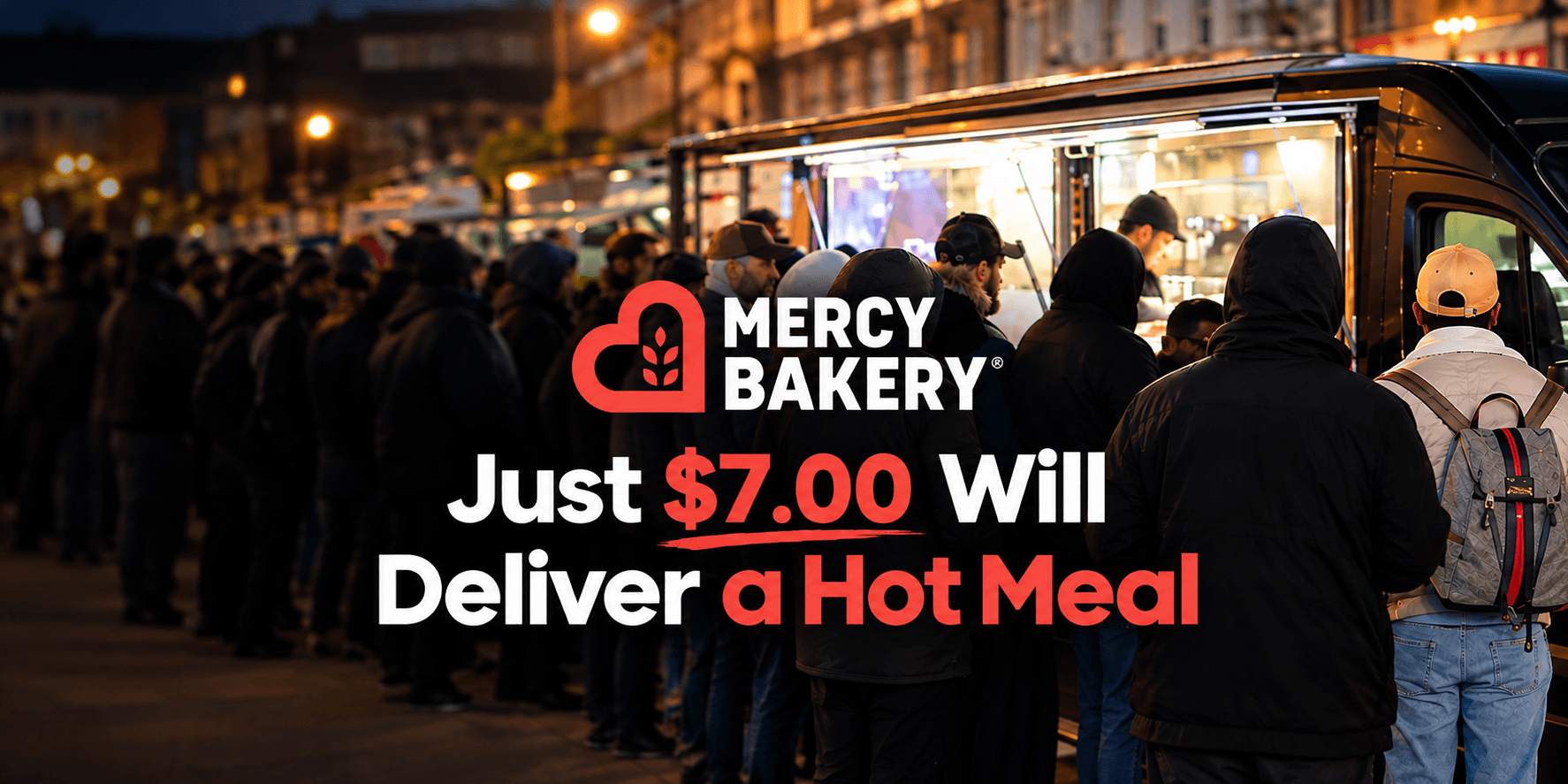
Mercy Bakery's approach places food preparation and local operations at the center of this work. Its bakeries and kitchens rely on staff, supplies, and distribution arrangements to turn available resources into food that can reach people in need.
This approach has practical value. Preparing food within the communities being served can reduce dependence on distant distribution points, while established operations provide a foundation for continued assistance.
The results are immediate: bread reaches households, prepared meals reach people who need them, and food baskets help families through periods of acute difficulty.
Such assistance cannot resolve the underlying causes of poverty or food insecurity, but it can help families meet essential needs while broader humanitarian and economic solutions remain necessary.
Sustaining these operations is therefore as important as responding to an immediate emergency. A bakery that continues producing bread can provide assistance beyond a single campaign, while partnerships and donor support help maintain the resources needed for distribution.
In New York City, Mercy Truck applies the same principle of bringing food to people in need through a different operating model. Launched in 2024, the mobile initiative works with restaurants, food suppliers, masjids, and community organizations to distribute fresh, halal hot meals to underserved communities. Last year, Mercy Truck served 15,565 meals in New York City.
Although a bakery in Yemen and a mobile feeding initiative in New York operate in different circumstances, both depend on organized food preparation, community partnerships, and sustained resources. Their shared purpose is to make food assistance accessible to people facing hardship.
This teaching recognizes the needs of others as a responsibility that calls for action. When hunger persists, that responsibility extends beyond occasional generosity to the continued effort of caring for people in need.
Mercy Bakery puts this teaching into practice through the work of preparing bread, cooking meals, maintaining operations, and coordinating distribution. Donors, staff, and community partners contribute in different ways, but each helps ensure that available resources reach people who need them.
The value of this collective effort is not measured only by the number of meals served. It also lies in the ability to continue serving families whose need for food remains.
Its work centers on a recurring need and a practical response: preparing food, maintaining operations, and bringing assistance to families in hardship.
For the people receiving that assistance, the immediate benefit is straightforward. Bread is available. A meal is provided. One essential need is met.
For those supporting the work, the opportunity is to help ensure that assistance continues.
Support Mercy Bakery and Mercy Kitchen to help provide fresh bread and prepared meals to families facing hunger.
 Beyond Charity: Inside the Impact of HHRD Ramadan Giving


