
IslamiCity
Listen PodCasts, Live Quran, Watch Videos @VideoHub

Ever since the human race came into existence, the world has undergone remarkable changes. Man, born as an intelligent creation of God Almighty, has been able to demonstrate a tremendous amount of innovation and creativity.
As a result of man's creative intelligence, humanity has been able to invent new tools, develop new skills and knowledge, and create technologies that have contributed to the advancement of human civilization.
With the invention of modern technology, human beings have been able to explore the vastness of the universe and the deepest parts of the oceans. They have even created a man-made universe that we call the Internet.
Despite our great achievements, in some parts of the world, the education system is still largely influenced by an old school of thought, which fails to recognize the role of education in bringing out the different forms of creativity within the learner. Such creativity is very much in demand in the modern world.
Experts in the field of creativity have acknowledged that human creativity is not only found within the human soul but is also influenced by the environment in which a person lives. Creativity is something that is inherent in an individual, but it can also be developed and learned.
To incorporate creativity into the education of today's children, not only teachers but also parents should create a conducive environment for students to think outside the box and question what has been taught and communicated to them, both in the classroom and at home. By not allowing children the freedom to question what they have been taught, we may hinder the development and flourishing of their creative ideas.
Regrettably, in many countries, the success of a student is measured mainly in terms of his or her examination results. In such a situation, students are often forced to memorize and reproduce information learned in class without being given the opportunity to question what they have learned and develop their problem-solving skills. Moreover, this system of education produces students who are overly exam-oriented and, at the same time, fails to help them discover and develop their own creative potential.
Creativity, like human intelligence, is diverse. It manifests itself in many aspects of human life. An individual who has an aptitude for music can create a beautiful piece of music. A person who is talented in art can mould a beautiful statue from clay, paint a magnificent portrait, or weave a household item from rattan and other natural fibres. Those who are creative in the skilful use of language can deliver good speeches or write a book or poem.
In discovering the fact that creativity is diverse, one should not fall into the old mindset of thinking that one is either creative or not. I am a strong believer that everyone is creative in one way or another.
In modern times, technology, when used appropriately, can enhance human intelligence and creativity. Conversely, too much dependence on technology can prevent human beings from bringing out their God-given talents, skills, intelligence, and creativity that lie dormant within the soul. In such a situation, man becomes too dependent on technology and underestimates his own potential.
In accepting our new understanding of what creativity is all about, we need to change our approach to creativity and education. Our concept of education should not focus only on our children's scores in mathematics and science, but should give equal emphasis to the arts, literature, sports, leadership, spirituality, and other aspects that a child needs to develop through the process of education.
Every subject taught in school serves a purpose in preparing students for their adult lives. For instance, science and mathematics are crucial for developing the mind and for our physical survival, while art and craft bring out our softer and artistic talents. Spiritual and moral education helps us to connect with God, nature, and the rest of humanity.
Music, as a subject, helps us to find harmony in the soul and, at the same time, provides an escape from the chaotic and demanding situations of modern life. Sports, on the other hand, teach us an important philosophy of life: our lives are full of events in which there are times when we win and times when we lose. Like in a competition or game, there are moments when we enjoy the glory of success and moments when we have to face the agony of defeat. Moreover, sports teach us valuable lessons about tolerance, cooperation, discipline, and team spirit.
Finally, sports help us develop a strong and healthy body and equip us with greater physical endurance. After all, one needs a healthy body for the proper functioning of a healthy mind.
Teachers in the contemporary world who understand the demands of modern society should not only emphasize academic performance but should also identify the hidden talents of their students and motivate them to develop and enhance those talents.
Unlike the bygone eras of the past, today's job market is no longer focused only on our diplomas and degrees. International companies are prepared to offer jobs to those who possess additional skills and talents beyond their formal qualifications. Multinational companies are looking for candidates who have language skills, creative ideas, and well-rounded personalities who can work effectively with others.
In realizing the demands of the modern world, schools, particularly in developing countries, should be prepared to make a paradigm shift. Instead of giving greater importance to science and mathematics alone, education in these countries should place equal emphasis on every subject taught to students. In addition, education should move beyond mere rote learning and give greater attention to creative thinking, problem-solving, computer skills, and other soft skills.
In conclusion, education should not be viewed merely as a means of producing students who can score well in examinations. Its greater purpose should be to help every child discover and develop the talents that God has given to him or her. A good education should develop the mind, body, character, creativity, spirituality, and social abilities of the individual. Only through such a holistic approach can education prepare young people not merely to earn a living, but also to live meaningful and purposeful lives.
(The views expressed are those of Dr. Mohd Abbas Abdul Razak from the Department of Fundamental and Interdisciplinary Studies, AHAS KIRKHS, IIUM, and do not necessarily reflect the views of IslamiCity)
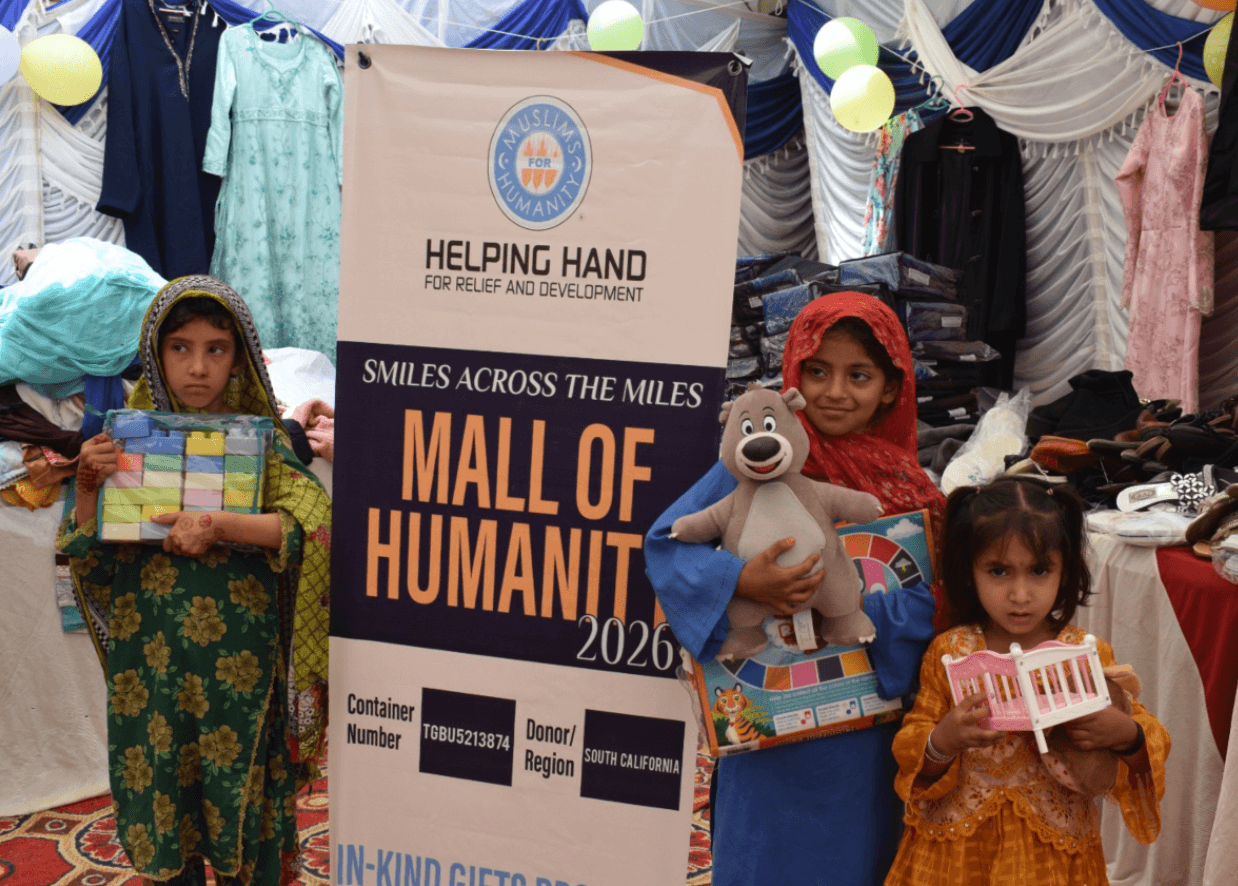 HHRD Strengthens Education in Orangi Town


