
IslamiCity
Listen PodCasts, Live Quran, Watch Videos @VideoHub

On November 27, 2005, a Palestinian woman named Mahfoudah Shtayyeh was photographed hugging an olive tree after it was destroyed by Israeli settlers.
"I hugged the olive tree... I'd raised the tree like my child," said the devastated elderly Palestinian woman.
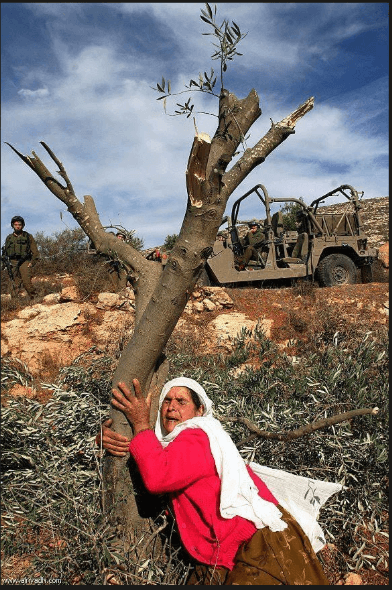
The photograph became an iconic image symbolizing the daily struggle of many Palestinian farmers in occupied Palestine.
For decades, the IDF and Israeli settlers have uprooted thousands of Palestinian olive trees and restricted farmers from accessing their fields-measures that Palestinians have long viewed as an effort to drive them from their land.
The justification? In some cases, the IDF has claimed that these trees posed a "security threat" to Israeli settlements.
But how can an olive tree be a security threat? And when destroying a family's trees also destroys its livelihood, what are we really talking about?
I call it Israeli economic terrorism.
The olive tree is far more than a tree in Palestine. It is a symbol of resilience, rootedness, and the enduring connection of the Palestinian people to their land. For centuries, olive trees have provided food and livelihoods while carrying deep cultural, spiritual, and historical meaning.
Destroying an olive tree does more than remove a source of income. It can erase decades-even generations-of cultivation and sever a living connection between families and the land they have worked for generations.
If an olive tree can be treated as a "security threat," perhaps we should ask what is really being threatened: security-or a people's connection to their land?
These actions have included sealing off homes, demolishing them, and expropriating property in which Palestinian families have lived for generations.
Like the destruction of olive trees, home demolitions can strip families of their livelihoods, security, and connection to their land.
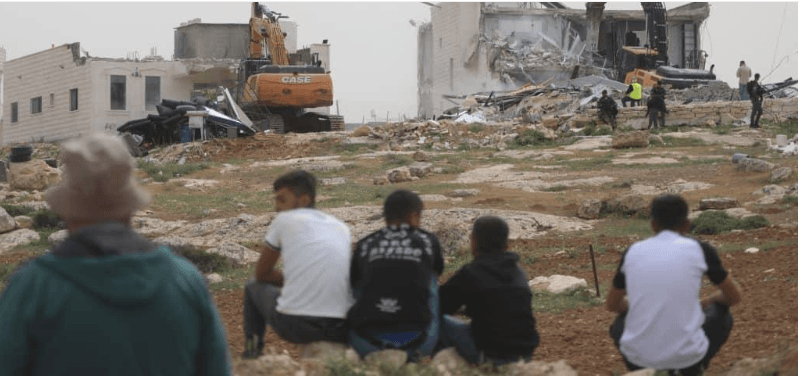
The story behind the iconic photograph of Mahfoudah Shtayyeh hugging her olive tree offers a powerful glimpse into what the destruction of these trees means to Palestinian families.
Watch the full story: "I hugged the olive tree... I'd raised the tree like my child."
Mahmoud El-Yousseph is a Palestinian freelance writer and retired U.S. Air Force veteran. He writes about U.S. foreign policy, Middle Eastern affairs, and justice.


 3 Lebanese Journalists and a Medic Targeted and Assassinated in an Israeli ...