
IslamiCity
Listen PodCasts, Live Quran, Watch Videos @VideoHub

HHRD (Helping Hand for Relief and Development) has announced new job placement data for graduates of its Skills Development and Livelihood Program (SDLP). Half-yearly reports from 14 countries show high graduation rates and successful market linkages following program completion.
HHRD Skills Development Annual and Half-Yearly Reports
In Kenya, across five HHRD training centers, graduates went from earning nothing ($0/month) to mid-range pay (roughly $130/month). One-third of Skills Development graduates either started businesses or obtained employment within months of completing the program.
In Mexico, graduates reported beginning careers with major known companies. HHRD's English Language for Employment course combines technical vocabulary, workplace communication, and interview preparation, giving learners the chance to practice real-world scenarios such as job interviews.
Each cohort receives individualized attention in small classes, typically under fifteen students, allowing instructors to tailor lessons to participants' professional goals. The program's design reflects HHRD's three-pillar model: skills training, livelihood generation, and life skills development, aiming to graduate participants with both technical proficiency and the confidence to work in international professional environments.
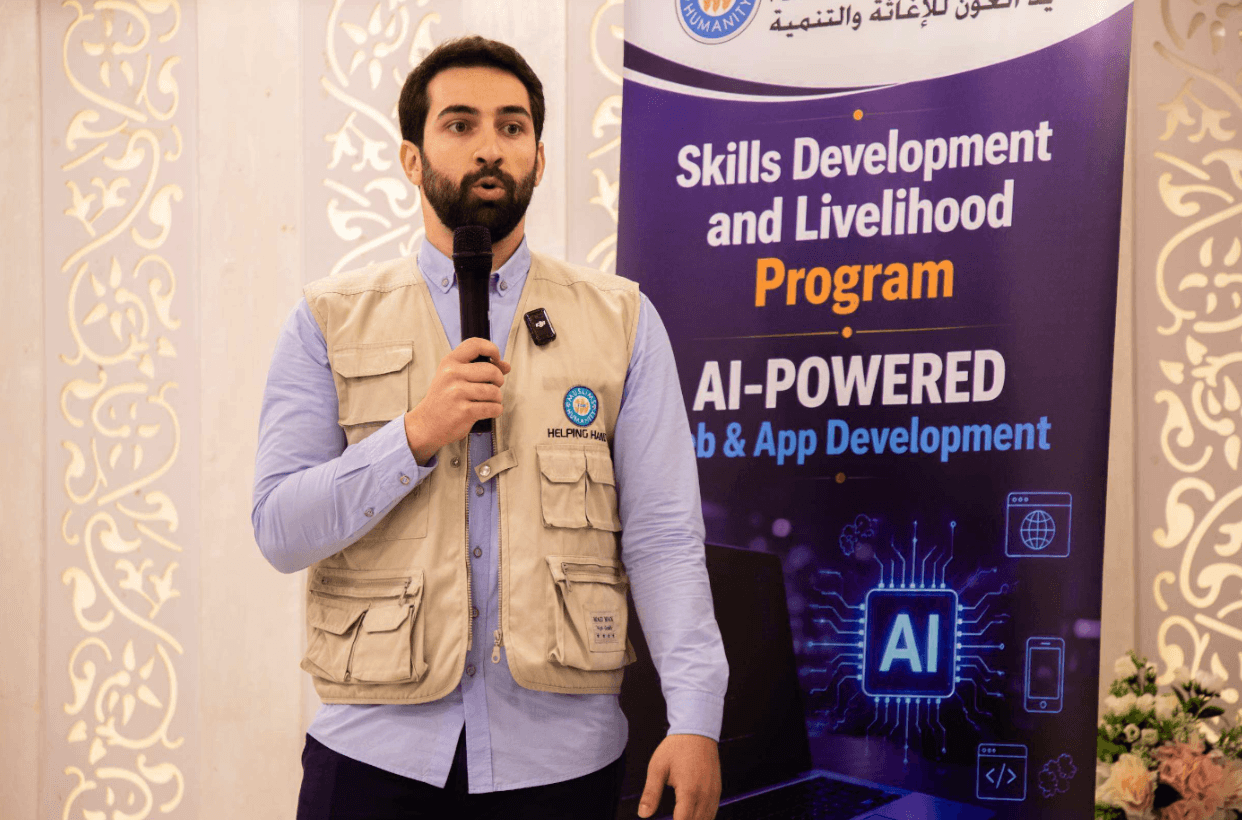
The reported outcomes: many participants move from unemployment, entry-level, or informal work into structured, well-paid positions with benefits or into small-business ownership. HHRD frames this shift as a driver of economic mobility, arguing that as graduates enter higher-paying roles, families gain financial stability and communities benefit from increased local spending.
HHRD says the broader goal of SDLP is to connect participants' skills to meaningful work, supporting sustainable development in the communities it serves.
Keep up with IslamiCity for more news on HHRD and other humanitarian programs.
Also read:
HHRD Strengthens Education in Orangi Town
HHRD Bangladesh Flood Relief Efforts Provide Food and Support to Disaster-Affected Families
From Floods to Foundation: HHRD Rebuilds Lives Across Crisis Zones
 Is the Quran Really a Miracle? 7 AI Tests Reveal the Truth


