
IslamiCity
Listen PodCasts, Live Quran, Watch Videos @VideoHub

Artificial Intelligence (AI) is transforming the modern world at an unprecedented pace. From healthcare and education to finance and transportation, AI is reshaping how people live, work, and communicate. As this technology becomes more integrated into daily life, Muslims naturally ask an important question: How does Islam view artificial intelligence?
Islam does not explicitly mention AI, as it is a modern invention. However, the Qur'an, the Sunnah, and the principles of Islamic ethics provide guidance on how Muslims should develop and use new technologies. In Islam, technology itself is generally considered neutral; what matters is how it is used and whether it serves justice, compassion, and the common good.
Artificial intelligence can be viewed as another tool created through human intelligence-an intelligence that Muslims believe is ultimately a gift from Allah. Like any tool, AI can be used for beneficial or harmful purposes.
Examples of beneficial uses include:
Ethical Concerns
Despite its potential, AI raises important ethical questions.
Justice and Fairness
Islam places great importance on justice. AI systems should not discriminate against people based on race, religion, gender, or social status. Developers and organizations have a responsibility to reduce bias and ensure fairness in AI decision-making.
Privacy
Islam teaches respect for personal privacy and dignity. AI systems often collect large amounts of personal data, making it essential to protect confidential information and avoid unnecessary surveillance.
Truthfulness
AI-generated content-including text, images, audio, and video-can spread misinformation or create convincing fake media. Islam strongly condemns lying, deception, and false testimony. Muslims should use AI responsibly and verify information before sharing it.
Employment and Society
Automation may replace certain jobs while creating new opportunities. Islamic principles encourage compassion and social responsibility, meaning governments, businesses, and communities should support workers affected by technological change.
In Islam, humans possess free will and are accountable before Allah for their choices. AI has no soul, moral accountability, or ability to understand faith, intention (niyyah), mercy, or worship. Therefore, AI should assist human decision-making rather than replace human ethical judgment.
Muslims working in AI have an opportunity to contribute by developing systems that reflect values such as honesty, accountability, fairness, and compassion.
Artificial intelligence is one of the defining technologies of the twenty-first century. From an Islamic perspective, AI is neither inherently good nor inherently evil. Its moral value depends on how humans choose to create and use it.
If guided by Islamic ethical principles-including justice, honesty, mercy, and respect for human dignity-AI can become a powerful tool for improving lives and serving society. At the same time, Muslims should remain vigilant against its misuse, ensuring that technological progress never comes at the expense of moral responsibility or spiritual values.
Ultimately, Islam teaches that knowledge is a blessing when accompanied by wisdom. As AI continues to evolve, this timeless principle remains as relevant as ever.


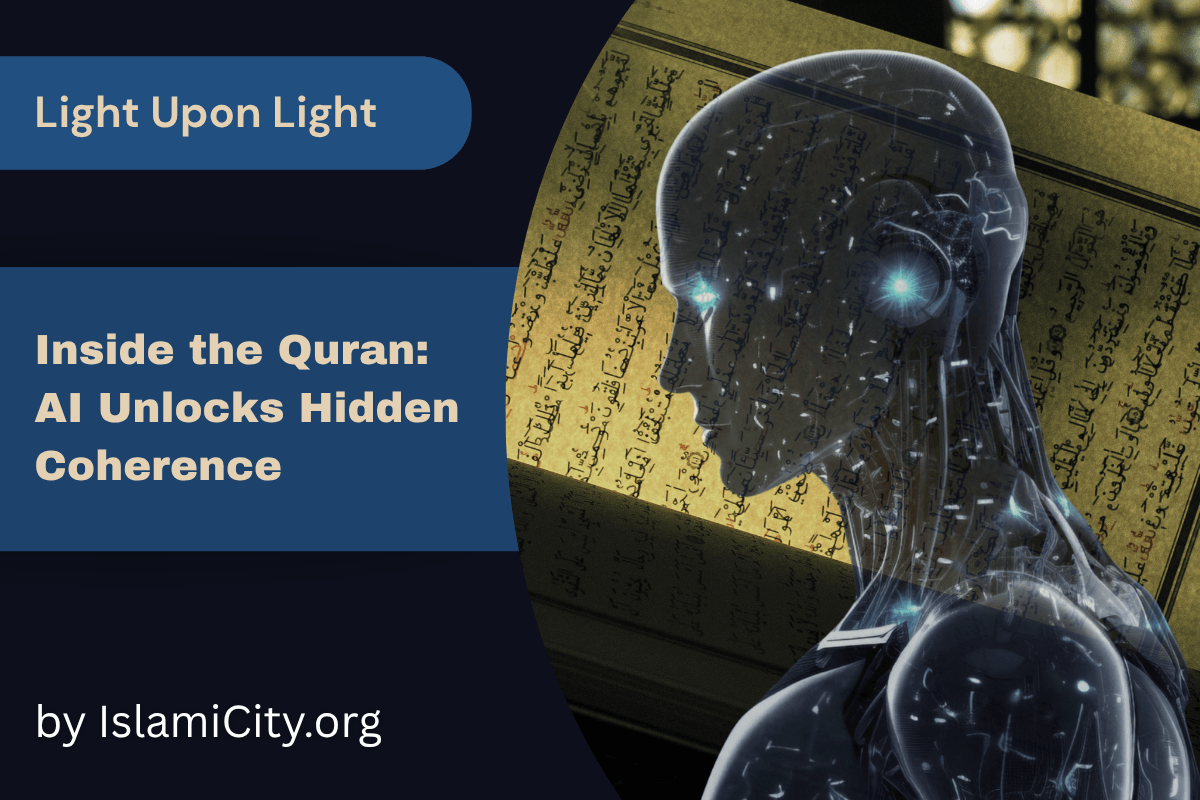 Quranic Intelligence: An AI Exploration of Divine Structure (Special Episod...