IslamiCity
Listen PodCasts, Live Quran, Watch Videos @VideoHub

Artificial Intelligence has rapidly become part of everyday life. From drafting emails and creating artwork to answering complex questions about religion, AI is changing the way we seek information and interact with the world.
For Muslims, this raises an important question:
Is it haram to use AI?
The answer may surprise you.
The issue isn't whether AI itself is halal or haram. Like many technologies before it, AI is simply a tool. The ethical and religious ruling depends on how it is used, the intention behind it, and the consequences of its use.
As AI becomes increasingly integrated into our lives, Muslims have an opportunity-and a responsibility-to approach it with wisdom, integrity, and a commitment to authentic Islamic principles.
There is nothing inherently halal or haram about AI itself. Using AI to organize your schedule, translate languages, summarize research, or improve productivity is generally no different from using any other helpful technology.
The moral question begins when we examine how AI is being used.
1. Using AI to Deceive Others
Islam places tremendous emphasis on honesty.
Generating fake evidence, impersonating someone through AI-generated voices or images, creating misleading videos, or spreading false information violates the Islamic principles of truthfulness and justice. Technology should never become a means of deception.
2. Plagiarism and Academic Dishonesty
Using AI to complete assignments, examinations, or professional work without acknowledgment may constitute cheating. The Prophet ﷺ taught that honesty is fundamental to a believer's character. AI should assist learning-not replace personal effort or integrity.
3. Producing Harmful or Immoral Content
Like any technology, AI can be used to create inappropriate material, promote hatred, encourage sinful behavior, or manipulate others. Such uses are judged according to the content produced, not merely the technology itself.
4. Fabricating Religious Knowledge
Perhaps the greatest concern for Muslims is relying on AI without verifying its answers. General AI systems can sometimes generate inaccurate Quranic references, misquote hadith, or oversimplify complex matters of Islamic jurisprudence.
When religious knowledge is presented incorrectly, people may unknowingly act upon misinformation. Islam teaches believers to verify information, especially when it concerns faith.
Many Muslims ask AI questions such as:
Complex legal rulings, personal circumstances, and nuanced theological questions require human scholarship, context, and wisdom that AI cannot replace.
General AI models aim to answer questions across every imaginable subject, from cooking recipes to astrophysics. While they are powerful, they are not specifically designed to provide reliable Islamic guidance.
For Muslims, authenticity matters. Knowledge in Islam has always been preserved through careful scholarship, verified sources, and responsible transmission. That same commitment should guide our use of AI.
Whether you're learning about prayer, fasting, Islamic history, prophetic stories, or everyday aspects of faith, ChatILM.ai provides an accessible starting point for exploration.
Importantly, it is not intended to replace scholars or issue independent religious authority. Instead, it helps users discover authentic knowledge while encouraging continued learning and deeper engagement with qualified scholarship.
In a world filled with misinformation, purpose-built tools can help Muslims navigate digital learning more confidently.
Rather than asking whether AI is good or bad, perhaps the better questions are:
Not because it is artificial intelligence. But because, like every tool, it can be used in ways that conflict with Islamic values. When AI is used for deception, dishonesty, harm, or spreading false religious information, Muslims should avoid those uses.
When it supports beneficial knowledge, ethical work, and sincere learning while remaining grounded in authentic Islamic teachings, it can become a positive force in our lives.
As AI continues to shape the future, Muslims have an opportunity to lead by using technology with integrity, wisdom, and a commitment to truth.
If you're looking for an AI experience designed specifically to help you explore Islam through the Quran and Sunnah, visit ChatILM.ai. Ask your questions, deepen your understanding, and continue your journey of seeking beneficial knowledge.
"And say, 'My Lord, increase me in knowledge.'" (Qur'an 20:114)
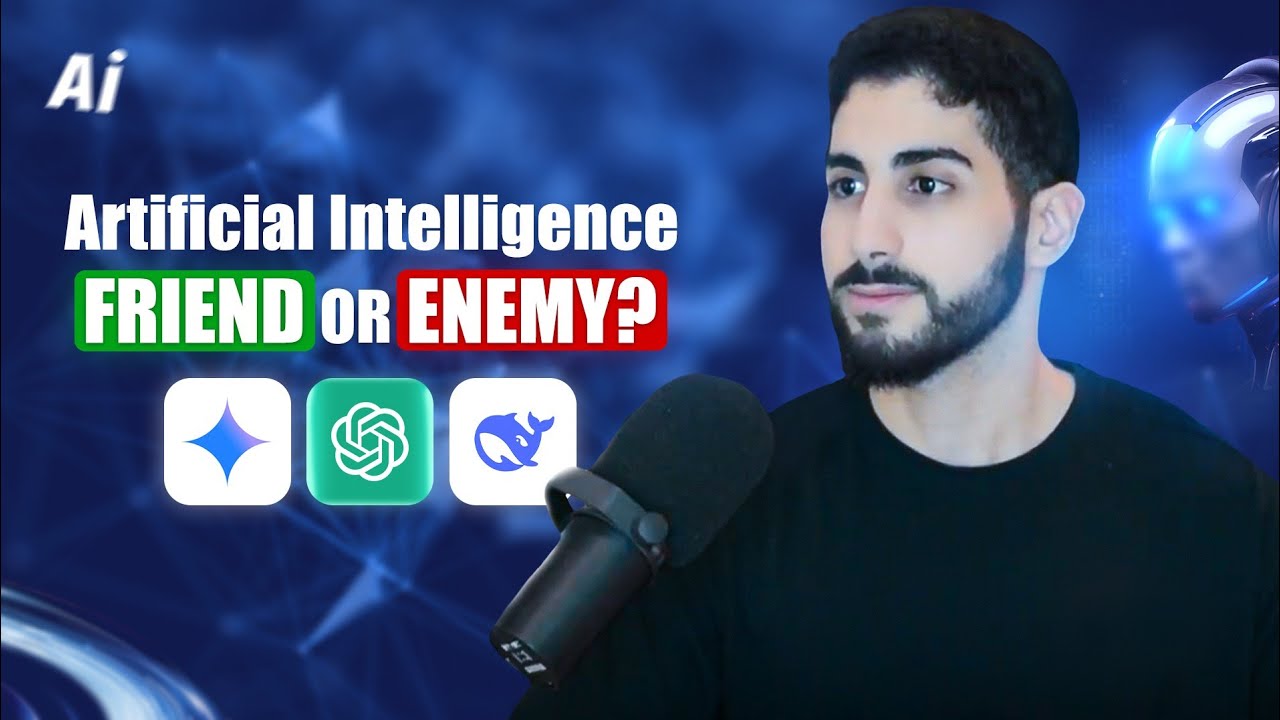 Can Muslims Really Trust Artificial Intelligence?!


