
IslamiCity
Listen PodCasts, Live Quran, Watch Videos @VideoHub

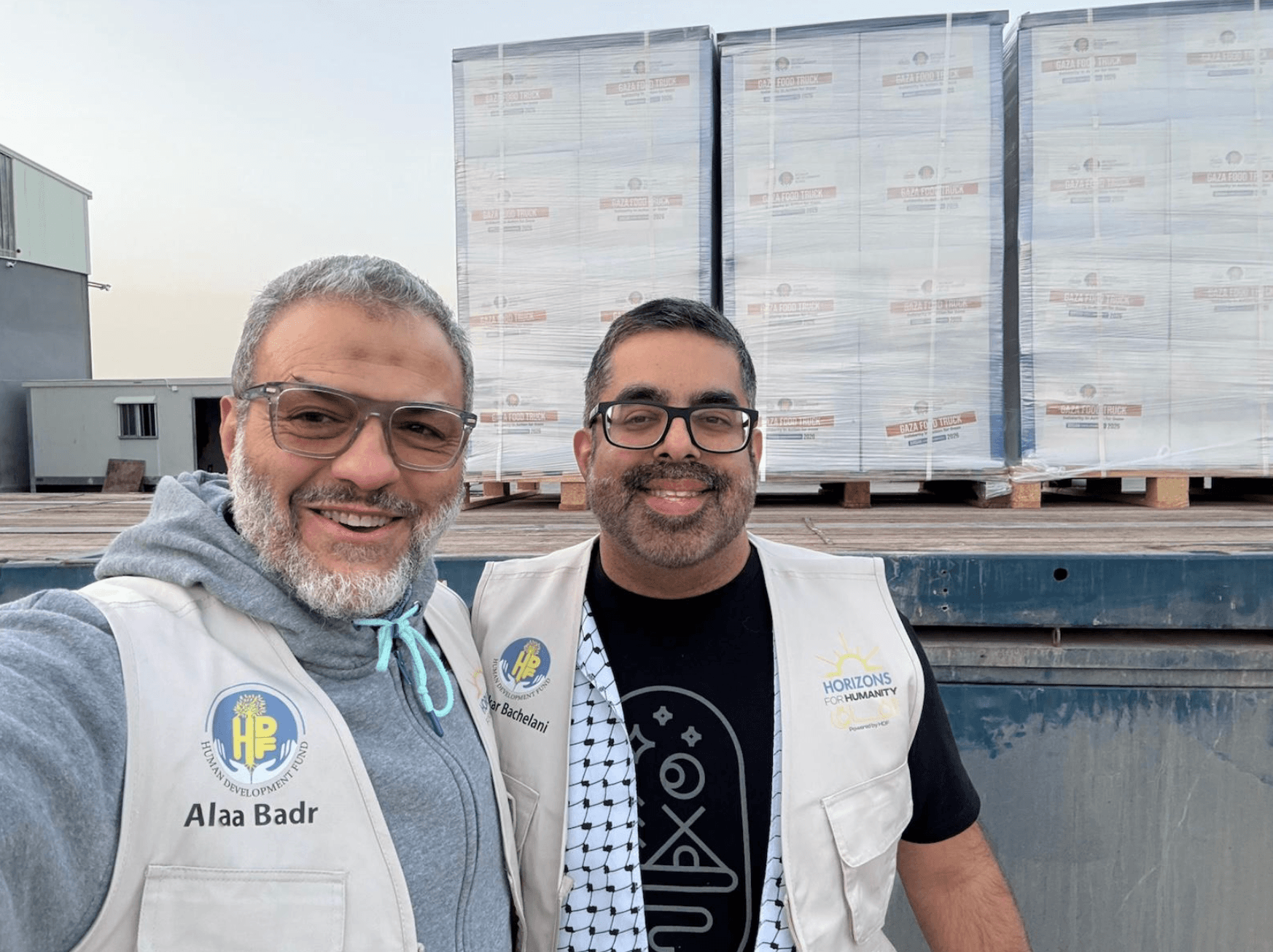
A recent humanitarian trip to Jordan left a profound impact on Alaa Badr, whose reflections reveal not only the gravity of the crisis but also the resilience of those living through it. Speaking about the experience, Alaa Badr recalled three moments that stood out most vividly, each one a stark reminder of both suffering and strength.
One of the most moving encounters took place deep in the desert. There, Alaa Badr met a young widow living with her two children in what could barely be described as a shelter. "They lived in what I would call a makeshift tent," he explained. "It wasn't a full tent, just a reconstructed base with plastic bags, like the ones you get in a supermarket, used as covering."
The conditions were harsh and unforgiving. With the nearest school roughly three kilometers away and no safe means of transport, even basic education felt out of reach. Yet, when asked about her greatest concern, the mother's answer was not what many might expect. "She said her biggest concern was hugging her children at night," he said, "because when the wind blows hard, and the roof might come off, they get terrified."
Another visit took Alaa Badr to an orphanage, where young girls eagerly demonstrated their ambitions despite their circumstances. "Some wanted to become engineers, others doctors," he shared. "But quite a few simply wished to go to Umrah with their mothers." The simplicity and sincerity of these dreams underscored the emotional toll of separation and loss.
Perhaps the most harrowing moment came during a visit to a medical clinic, where Alaa Badr met a young boy named Ahmad, evacuated from Gaza after sustaining life-threatening injuries. Initially presumed dead, Ahmad survived against all odds after being severely wounded by an explosive device disguised as a toy.
"The first doctor actually wrote his death certificate," Alaa Badr recounted. "But another doctor believed he could recover." With limited resources in Gaza, Ahmad was later transferred to Amman for further treatment, where he began receiving a prosthetic arm.
Despite the trauma, Ahmad's outlook was striking. "He told me he had no issue with what happened," Alaa Badr said. "He wanted to go back to Gaza and find justice for his people." His resilience, he noted, was both humbling and difficult to comprehend.
Reflecting on the broader experience, Alaa Badr emphasized a striking observation: "None of them complained. They didn't ask for money or medicine. But when help was offered, they appreciated it deeply." He noted that many were almost too modest to ask for anything.
Equally impactful was the emotional connection formed during these visits. "They really valued that other Muslims came to see them," he said. "Especially when they learned we had traveled from far away, it felt like an honor to them."
Ultimately, the journey reshaped Alaa Badr's understanding of humanitarian work and human connection. "We truly need them more than they need us," he concluded.
"Through them, we restore our humanity. Supporting them can help build a path toward healing and a brighter future for everyone involved."
 HHRD Venezuela Relief: How Preparedness Saves Lives


