
IslamiCity
Listen PodCasts, Live Quran, Watch Videos @VideoHub

It is well known that we need to eat to survive. Food provides our body with the nourishment it needs to function properly and stay healthy. An interesting fact about food is that it brings families, friends, neighbours, and others together. Food can also influence our mood and soften the ill feelings we may harbour towards one another.
In many cultures around the world, no meeting is complete without eating. We tend to eat more when we are happy and less when we are sad, or sometimes we may even skip meals. Many countries also promote their tourism industry by showcasing their food culture, especially traditional cuisines, as a way to attract visitors.
Food from the Qur'anic perspective is seen as a rizq (provision or sustenance) and a blessing from God Almighty. The Qur'an encourages us to eat good and wholesome food and to avoid the forbidden and harmful food that can be detrimental to our bodily and spiritual growth. Concerning food consumption, this is what the Qur'an says:
"O mankind, eat from whatever is on earth that is lawful and good, and do not follow the footsteps of Satan. Indeed, he is to you a clear enemy." (Qur'an, Al-Baqarah 2:168)
"O you who believe, eat from the good things which We have provided for you and be grateful to Allah, if it is Him that you worship." (Al-Baqarah 2:172)
When it comes to our food consumption, the Qur'an uses terms like Halal (Lawful) and Ṭayyib (Good). Whenever the Qur'an forbids certain food and drink items like pork, blood, carrion, alcohol, and others, Muslims know that it is only for their own good. As good Muslims, we have to believe in the higher wisdom of God compared to our limited capacity to think.
Besides approving the enjoyment of good food, the Qur'an disapproves of any form of overindulgence or excess (isrāf) in eating and drinking:
"Eat and drink, but do not be excessive. Indeed, He does not love those who are excessive." (Al-A'rāf 7:31).
The Qur'an also forbids the believers from being wasteful in their daily lives. So, our habits of ordering or cooking a lot and discarding the unfinished food contradict the principle of moderation preached in the Qur'an:
"Indeed, the wasteful are brothers of Satan." (Al-Isrā' 17:27)
"Thus We have made you a justly balanced community (ummatan wasaṭan) ..." (Al-Baqarah 2:143)
Around the world, people suffer from serious health problems due to overindulgence in food and drink. Many of these health issues are linked to unhealthy eating habits. Fast food and beverages are high in unsaturated fats, sugar, salt, and chemical additives, which are among the main culprits that disrupt the body's balance. In many parts of the world, some people remain in denial and refuse to acknowledge that they are addicted to sugar.
Avoiding Wastages During Ramadhan
In the modern world, where most people go to work and have little or no time to prepare their own meals for ifṭār (breaking of the fast), many either order food or visit Ramadhan bazaars to buy their meals. It is a common sight at these bazaars that the food and delicacies sold are varied in appearance and aroma, making them especially appealing to someone who has gone without eating for many hours. Due to the allure of the food on display, one is often tempted to buy many food items.
The sad reality during the breaking of the fast is that not all the food purchased is consumed. Much of the leftover food often finds its way into the trash. Regrettably, instead of reducing food consumption during Ramadhan, many Muslims overeat or waste food. It has been reported that, in the most affluent Muslim countries, over the one-month fasting period, tonnes of unfinished food are thrown away.
Ramadhan Educates in Dieting
During Ramadhan, Muslims abstain from eating and drinking for twelve hours or more, depending on their location in the world. This practice offers numerous health and spiritual benefits. In modern times, many medical practitioners agree that half-day fasting helps detoxify internal organs and aids in reducing excessive body fat. Fasting for several hours each day also allows the organs, especially the alimentary canal, time to rest and rejuvenate.
In addition to Ramadhan's gift of health benefits, it is believed by many that fasting also helps the individual who fasts grow spiritually stronger. His qalb (spiritual heart) becomes more attuned to God-consciousness and more sensitive toward Muslims and others in the world who endure physical and mental suffering due to poverty, torture, detention, and other forms of cruelty.
Idealistically speaking, anyone who fasts for a month should lose some body weight. On the contrary, it is not a good sign if one gains weight after completing Ramadhan.
Maintain the Lessons Learned in Ramadhan
At the philosophical and spiritual levels, the obligation to fast during the month of Ramadhan carries profound wisdom. The holy month should teach us to be humble, instill patience, encourage perseverance through hunger and thirst, promote moderation in all aspects of life, and cultivate empathy for those experiencing hunger, thirst, pain, suffering, and other hardships.
Just as it is not ideal to forget the lessons learned at school, likewise, the lessons of Ramadhan should not be forgotten. Insha Allah, we should strive to practice them consistently until we are granted the blessing of witnessing the next Ramadhan. Returning to our old habits of excessive or careless food consumption is not desirable.
The views expressed are those of Dr. Mohd Abbas Abdul Razak from the Department of Fundamental and Interdisciplinary Studies, AHAS KIRKHS, IIUM, and do not necessarily reflect the views of IslamiCity.


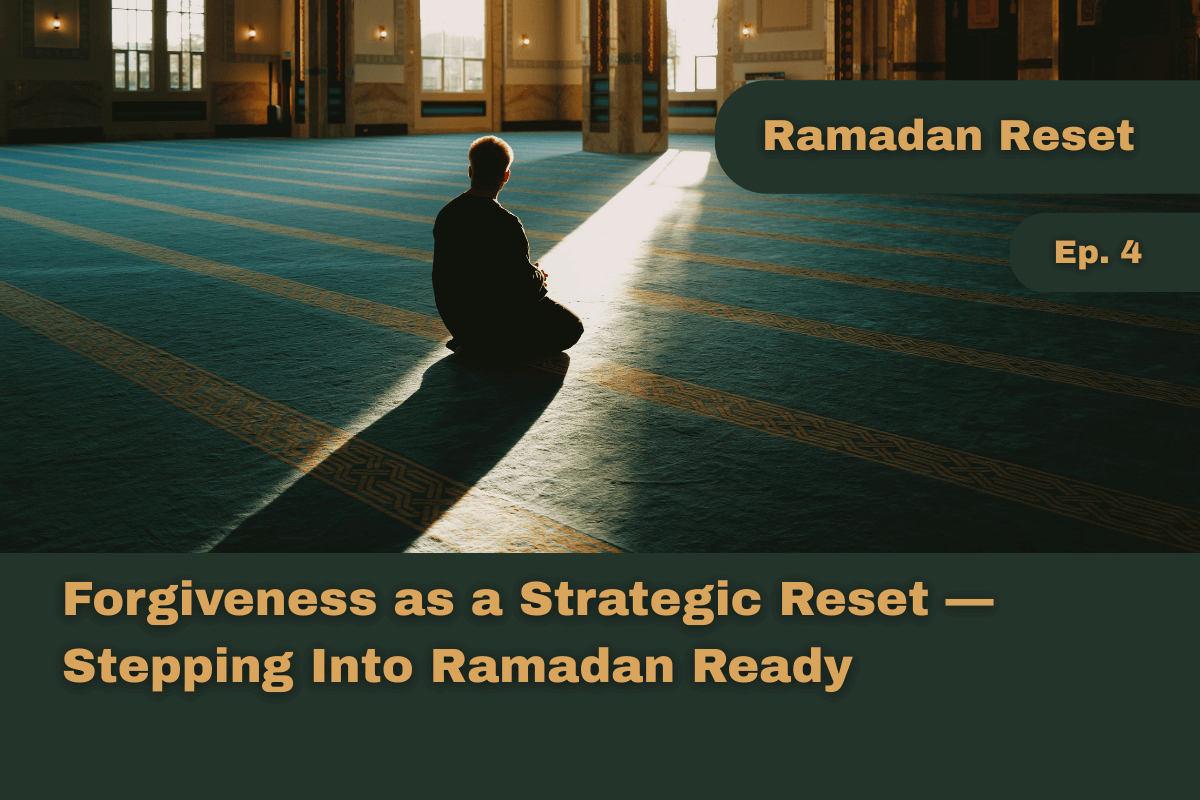 Forgiveness as a Strategic Reset: Stepping Into Ramadan Ready - Ramadan Res...