
IslamiCity
Listen PodCasts, Live Quran, Watch Videos @VideoHub

For many people, childhood is supposed to be a place of safety-where love is felt, dreams are encouraged, and mistakes are forgiven. But for some, home becomes the very place where wounds are formed.
One of the most painful experiences a child can carry is emotional absence. A father who slowly stops speaking. A mother whose love feels conditional. Parents who provide food and shelter but are emotionally unavailable. These wounds do not disappear with age. They quietly shape how a person loves, trusts, dreams, and even how they see Allah.
When a parent withdraws emotionally, especially during formative years, the child often internalizes the pain. A daughter may grow up wondering what she did wrong. A son may grow up without understanding gentleness or restraint.
Many people struggle in adulthood-especially in relationships-because they never had a healthy role model. Fathers are meant to protect, guide, and show love. When that presence is missing, it leaves confusion that follows a person for years.
You can meet all a child's physical needs and still fail them emotionally. Without emotional presence, a real relationship never forms.
A broken family is not only one where a parent is absent due to divorce or death. Sometimes the most broken homes are the ones where everyone lives under the same roof, but there is no safety, no love, and constant conflict.
Children who grow up watching endless arguments, aggression, or emotional neglect often normalize pain. They begin to believe that love looks like control, anger, or fear. This damages their understanding of compassion and leaves scars that can last a lifetime.
Islam never treated divorce as a stigma. Even during the time of the Prophet, peace be upon him, companions separated when necessary. When a marriage becomes harmful despite sincere effort, separation can sometimes bring peace-not just to the couple, but to the children as well.
Sometimes, letting go is what finally allows healing to begin.
Children in unstable homes often mature too early. They become emotionally alert, guarded, and responsible long before they should. While this may look like strength, it comes at a cost. Childhood joy, messiness, and freedom are quietly taken away.
A child should be allowed to dream freely. But poverty, instability, and neglect can restrict even imagination. When all you see is survival, dreaming big feels unrealistic.
Yet Islam reminds us that dreams were never meant to be limited by circumstances.
Many people grow up equating strength with dominance, loudness, or anger-because that is all they witnessed. But true strength is softness with boundaries. It is restraint. It is emotional presence. It is control, not chaos.
Real masculinity is not about fear-it is about safety. It is about being someone others feel calm around.
And often, what we lacked growing up becomes what we are meant to give to others in the future.
Some children grow up competing for love-doing more chores, achieving more, trying harder-hoping it will finally make them worthy. Especially daughters, particularly in households where brothers receive praise for doing very little.
But here is a difficult truth:
You cannot earn love from someone who does not know how to give it.
Trying to please everyone slowly erodes the self. Islam teaches us that our worth does not come from people-it comes from Allah. When pleasing people becomes the goal, exhaustion follows. When pleasing Allah becomes the goal, clarity follows.
It is okay not to meet everyone's expectations. You were never meant to.
Some people, after experiencing harsh parenting or emotional trauma, feel distant from Allah. The pain becomes confused with faith. But this is the moment where a crucial distinction must be made:
Do not confuse human failure with divine absence.
Your parents were human. Weak. Learning as they went. It was their first time living too. That does not excuse harm-but it explains imperfection.
And you may not want to hear this, but forgiveness is not for them-it is for you.
Forgive them. Ask Allah to forgive them. And when your time comes, end the cycle.
There is a tree that only releases its seeds through fire. What looks like destruction is actually the beginning of new life.
Human beings are often the same.
Hardship can either leave us charred and bitter-or it can bring out deep gratitude, empathy, and strength. Some of the most beautiful people are shaped by pain. They notice gentleness. They appreciate care. They understand suffering in a way others never will.
Allah places people in unique positions-not to break them, but to grow something rare within them.
If you grew up in a home filled with pain, your purpose may be to create a home filled with mercy.
If you lacked love, you may be the one who gives it most deeply. If you were unheard, you may become someone who listens. This pain does not define you-but it can refine you.
Allah fills the gaps that people leave behind. And when the heart feels empty, that is often when Allah comes closest.
You are not broken. You are becoming.
And by Allah's permission, you can become someone extraordinary.


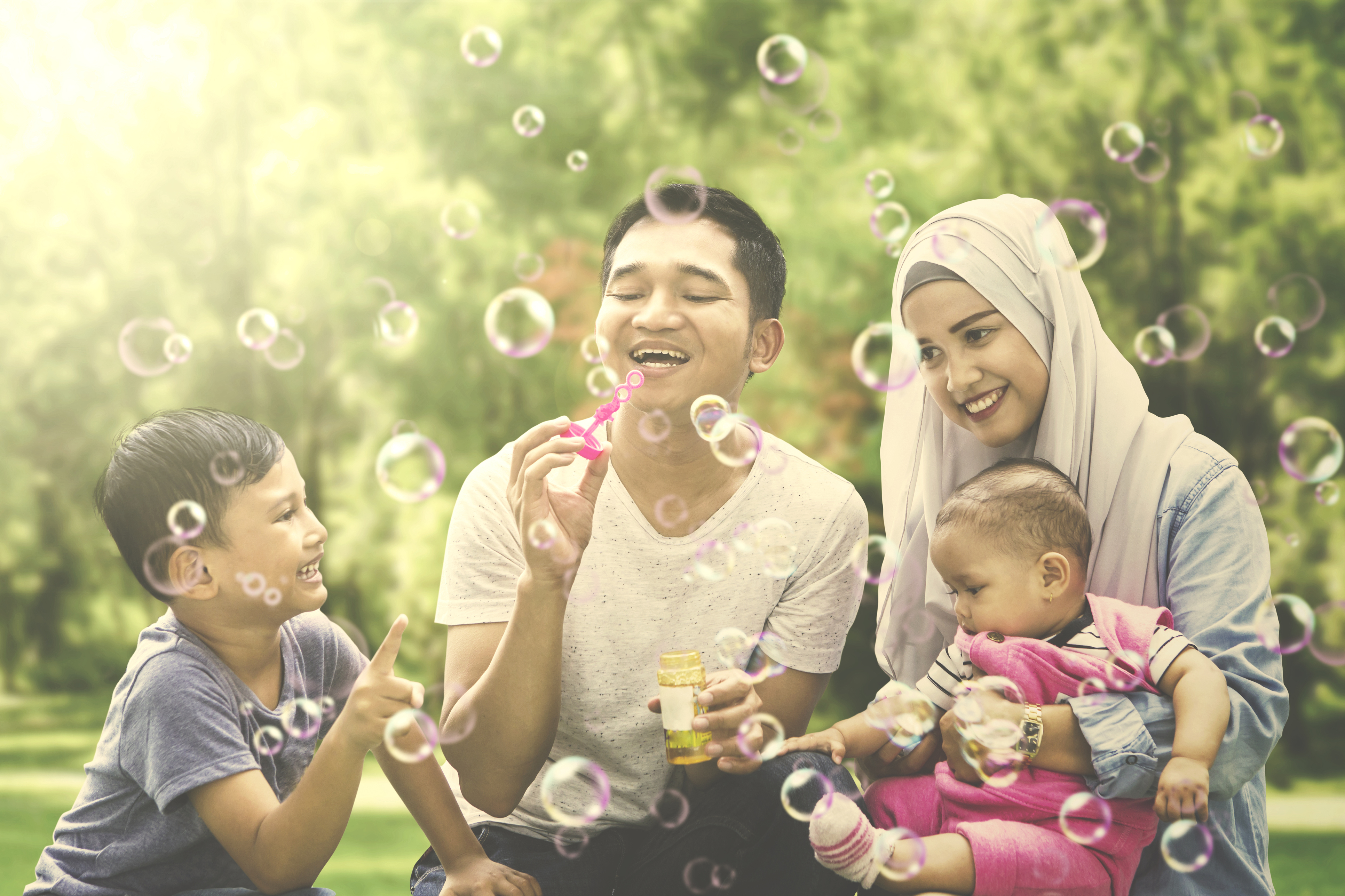 The Significance of Parents in Islam: A Sacred Bond in Today's Society