
IslamiCity
Listen PodCasts, Live Quran, Watch Videos @VideoHub

Knowledge workers must not only deliver, but also be inspired to deliver, knowledge-driven activities that advance their university's mission and genuinely benefit society. To realize this aspiration, academic leaders must be empowered, developed, and motivated to lead purposeful academic transformation.
By and large, leaders inspire others to think, believe, see, and do what followers might not have seen or done without their presence. An impactful leader actively engages with team members, working alongside them to understand the institution's mission, set goals, accomplish tasks and responsibilities, and navigate the difficult situations faced by stakeholders.
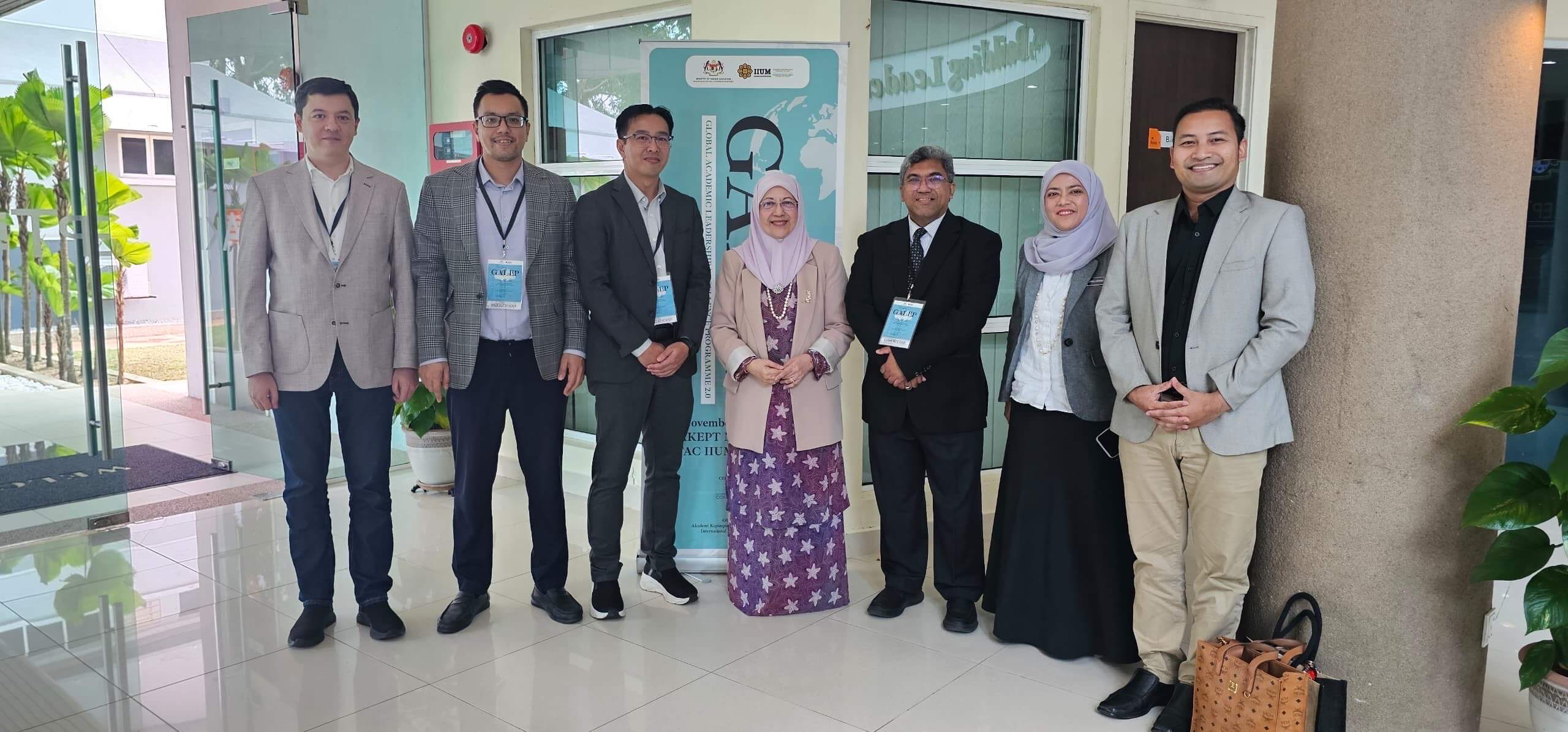
Leadership excellence in academia is not just about moving minds. It is about touching hearts and building character. This requires academic leaders to go beyond general managerial knowledge and technical leadership skills. Leadership in higher education is not merely about producing workers for industry or ensuring a measurable quantity of institutional output. It is about nurturing citizens for the nation, rooted in ethics and purposes.
In uncertain times, academic leaders must anchor their institutions with strong moral direction. Their role goes beyond administrative tasks as they are expected to guide individuals and communities using principles that rise above market pressures, ensuring that decisions uphold ethics, humanity, and the long-term well-being of society. They must lead the university community to produce graduates who care for others, rather than those who simply compete with others.
It is imperative upon academic leaders to ensure that innovation is rooted in values and culture, not solely driven by profit or prestige. As technology and systems invented should serve humanity instead of dominating it, academic leaders should be able to promote technological development that respects life, dignity, the environment, and diversity.
Above all, they must refrain from pursuing innovation for the sake of glory at the expense of humanity and future generations. This underscores the need for values-centered academic activities, thereby substantiating innovation, transformation, automation, and artificial intelligence-related inventions.
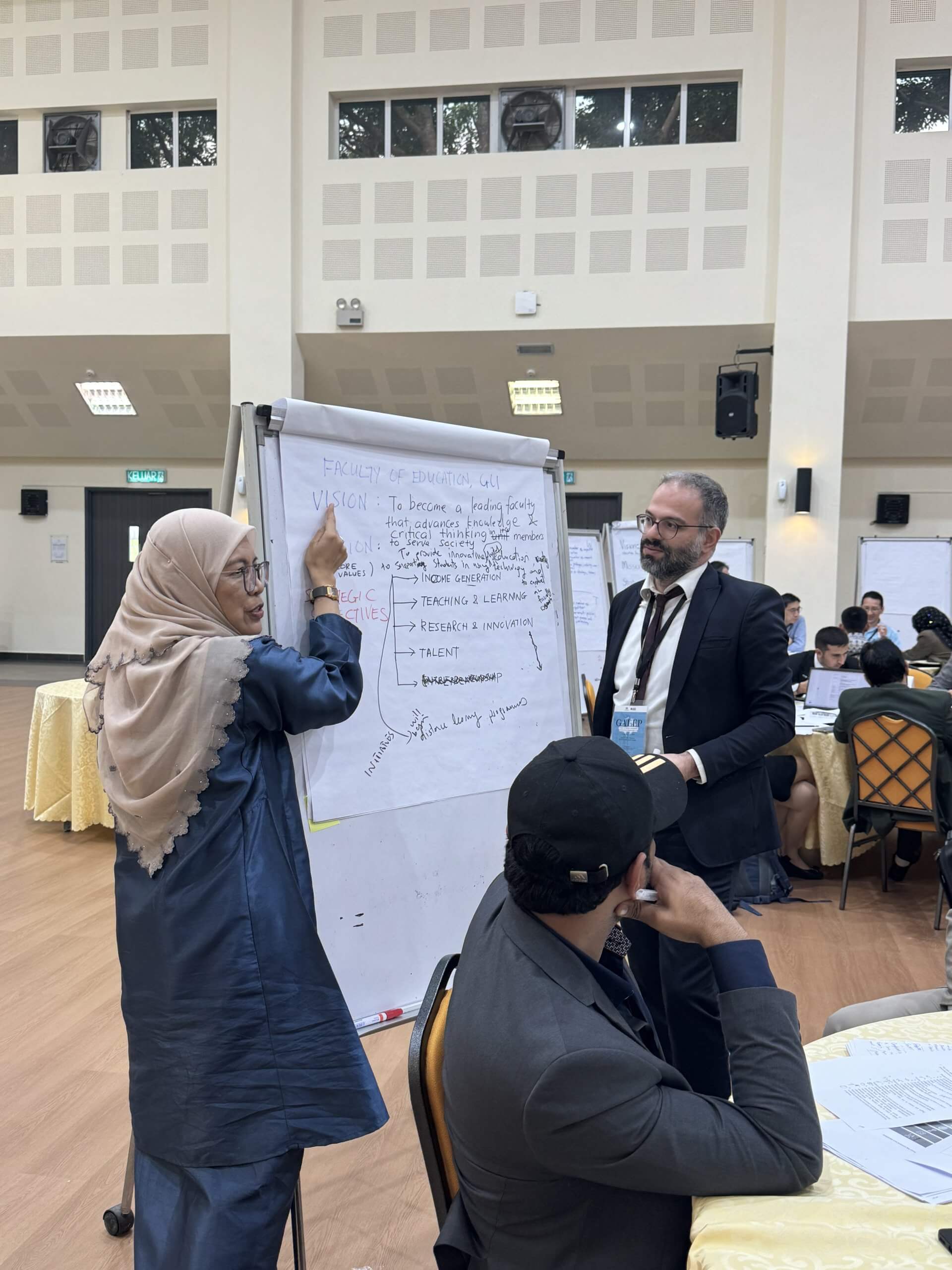
Leadership excellence therefore requires academic leaders to embark on values-driven leadership to facilitate, support, and scaffold the academic community to work with and for technology. It was emphasized that while technology can be built, leaders must guide people to choose what to build, directing them to innovate wisely, ethically, and humanely.
'The Global Academic Leadership Excellence Programme' (GALEP 2.0), organised by the Higher Education Leadership Academy (AKEPT), Malaysia, in collaboration with the International Islamic University Malaysia (IIUM), embodies this vision.
Held from 9th to 12th November 2025 at AKEPT, Nilai, Negeri Sembilan, and the International Institute of Islamic Thought and Civilisation (ISTAC-IIUM), Kuala Lumpur, GALEP 2.0 serves as a flagship learning and development platform for cultivating visionary academic leaders who are expected to create lasting impact in higher education.
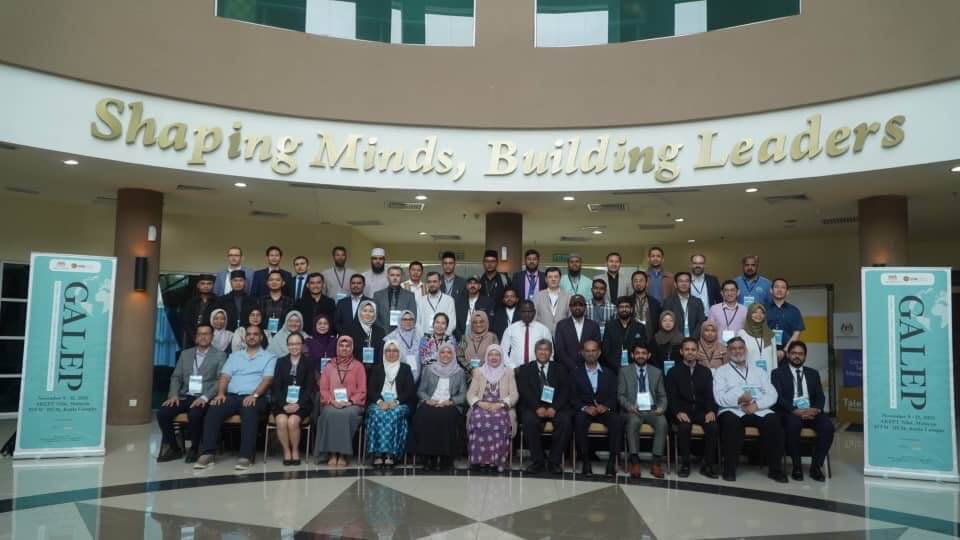
GALEP 2.0 is more than a program but a platform for shaping mindsets, building character, and nurturing leadership anchored in values, purpose, and service. Designed as a comprehensive development initiative, GALEP 2.0 equips emerging academic leaders with a robust set of competencies tailored to the unique and evolving demands of the higher education environment.
Across the four days, 57 young academics and researchers from 21 countries gathered to exchange ideas, strengthen leadership capabilities, and envision transformative pathways for their institutions and nations. Through interactive sessions, reflective engagements, and collaborative projects, participants explored how leadership can be both strategic and humane, innovative and ethical.
The GALEP 2.0 experience reinforced a crucial understanding: leadership begins with self-awareness, integrity, and purpose. Participants recognized that higher education leadership is not merely about management or policy development but a sacred trust and a form of service. Effective leaders must be reflective, ethical, and compassionate-capable of transforming challenges into opportunities and inspiring others through example.
GALEP 2.0 also highlighted the need for institutions to flourish through innovation and sustainability. Universities must be guided by clear vision and strategic thinking while remaining grounded in ethics and community engagement. The future of academic leadership, therefore, depends on the ability to balance vision with values and progress with purpose.
The transformation of higher education requires a shift from linear to systems thinking, curriculum redesign, and the development of future-ready talents equipped with critical thinking, creativity, adaptability, and ethical grounding. Transforming higher education therefore requires visionary leadership, systemic thinking, and moral commitment to produce graduates who are competent, ethical, and globally responsive.
GALEP emphasized the essentiality of impactful leadership in advancing higher education across the world and reaffirmed the commitment to developing leaders who are globally competent, ethically grounded, and humanity-centered.
Upon completing the program, participants pledged to apply what they learned by mentoring others, promoting responsible research, and fostering institutional cultures that encourage creativity, accountability, and collaboration. They recognized that leadership thrives through the empowerment of others, by nurturing the next generation of academics and cultivating spaces where ideas grow into real solutions for society.
Participants shared that GALEP gave them a renewed vision to transform higher education in their countries by embedding ethics and values, designing and implementing community service, and conducting responsible research. GALEP also strengthened their capacity to become humanity-centred leaders and lifelong learners, inspiring them to lead with empathy and resilience while fostering well-being and balance within their teams.
GALEP 2.0 stands as a testament to what can be achieved when values meet vision ans when leadership is not only taught but lived. It reminds every participant that leading in higher education means serving others, fostering knowledge for the common good, and transforming institutions with courage and wisdom.
In essence, GALEP 2.0 is a journey of learning, reflection, and renewal, a shared commitment to shaping the future of higher education through leadership that enlightens minds, uplifts communities, and sustains humanity.
Shukran Abd Rahman is a Professor of Industrial and Organisational Psychology at the Department of Psychology, AbdulHamid AbuSulayman Kulliyyah of Islamic Revealed Knowledge and Human Sciences, International Islamic University Malaysia.
 Neurotheology Lecture Series


