
IslamiCity
Listen PodCasts, Live Quran, Watch Videos @VideoHub

We begin by praising Allah, Subhanahu wa Ta'ala, and bearing witness that none has the right to be worshiped except Him. We also bear witness that Muhammad ﷺ is His final messenger.
May Allah send peace and blessings upon him, the prophets and messengers before him, his family, companions, and all those who follow his blessed path until the Day of Judgment. May Allah make this effort among them.
There are two hadiths that many of us have heard, but when connected, they reveal a profound lesson about the power of dua (supplication) and the empathy it cultivates.
The first hadith teaches us that when a Muslim makes dua for their brother or sister in the unseen, no one present, it is immediately answered. An angel assigned to them responds: "Ameen, and for you as well." This shows the spiritual ecosystem Allah has created: good begets good, and sincere prayers for others activate unseen forces in the universe.
The second hadith illustrates the Prophet ﷺ's unparalleled concern for his Ummah. He would raise his hands and weep for the guidance, forgiveness, and welfare of his followers, demonstrating that his prayers were consistently for others, not himself. Even on the Day of Judgment, he will intercede for his Ummah, including those who have major sins, showing the depth of his mercy and empathy.
One striking lesson from these hadiths is the contrast between how we often speak of others and how dua transforms our perspective. In daily life, when people are not present, we tend to gossip or speak ill of them-metaphorically consuming their "flesh." In contrast, making dua for someone unseen generates goodness and divine reward, invoking angels to respond in your favor.
The Prophet ﷺ exemplified selflessness in every dua he made. He prayed not for his own benefit but for the welfare of others, reinforcing the idea that true empathy requires acting beyond the self.
The companions of the Prophet ﷺ internalized these lessons. Abu Darda, for example, would make dua for 70 brothers by name every night in his sujud (prostration), sometimes extending this to 360 people. He did not announce his prayers but kept them private, hoping that angels would reciprocate by making dua for him. He even forgave those who had wronged him, showing how good character amplifies the power of supplication.
Similarly, a believer's character provokes prayers from others-whether parents, strangers, or the needy-without having to ask. Good character ensures that even while sleeping, a believer may be receiving the benefits of others' prayers.
Dua is not merely a ritual; it is a reflection of our priorities and empathy. Expanding our prayers to include others calibrates our hearts toward selflessness and away from selfishness. It teaches us to care for the oppressed, the weak, and the forgotten, even across distances and borders.
In a world where suffering continues-such as in conflict zones like Sudan-our dua becomes an expression of solidarity. It is a spiritual tool that reminds us of our responsibilities to others, ensuring that empathy is not conditional on proximity or personal interest.
May Allah make our hearts expansive enough to care for others sincerely, so that our prayers are accepted and multiplied by His mercy. May He make us people who think beyond ourselves, whose actions and prayers align with the teachings of the Prophet ﷺ. May Allah grant victory to the oppressed, forgive our brothers and sisters worldwide, and guide us to always prioritize the well-being of others through our dua and actions.
Alhamdulillah.
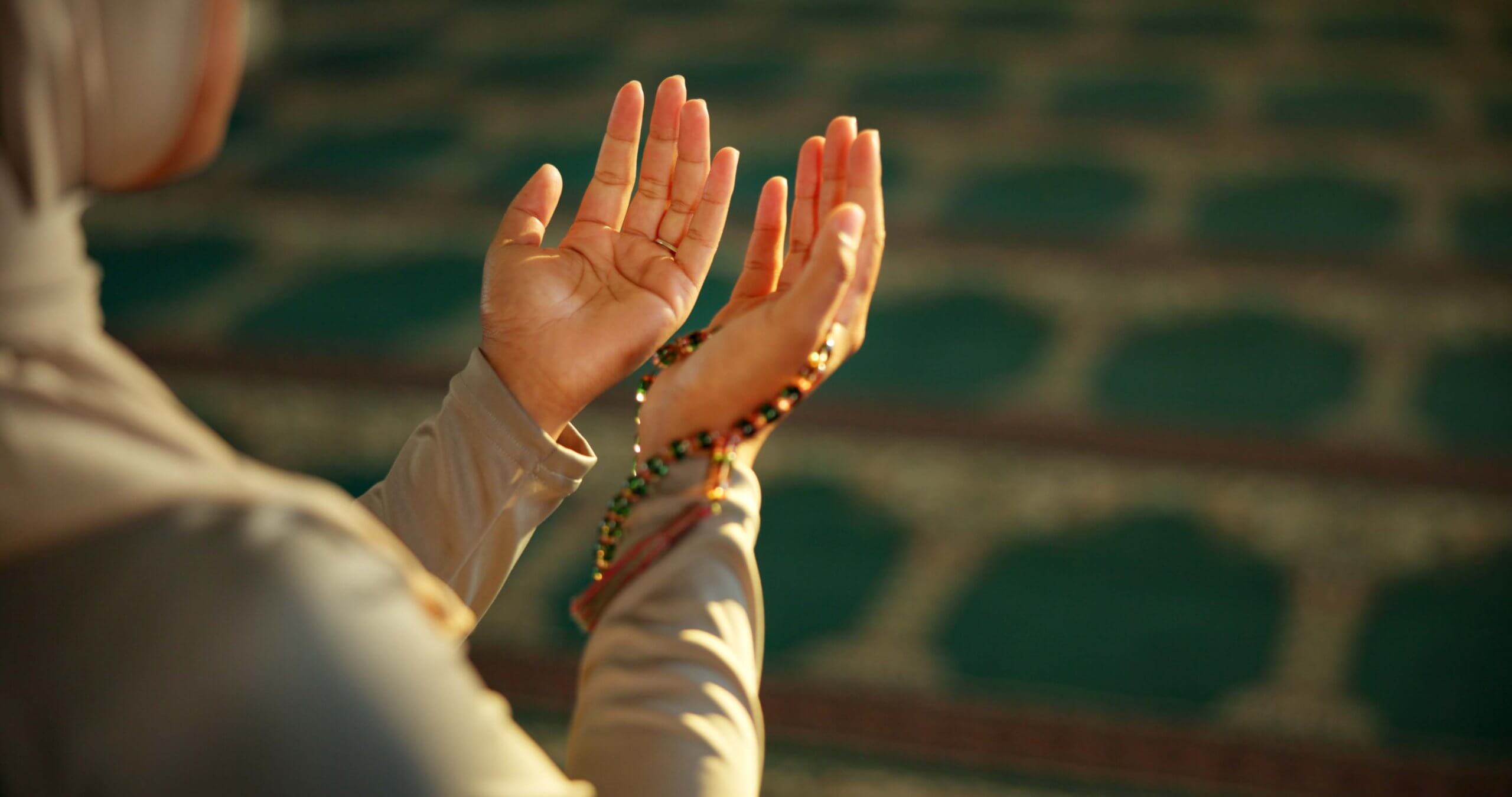 The Importance of Du‘ā in Islam


