
IslamiCity
Listen PodCasts, Live Quran, Watch Videos @VideoHub

Umrah, often referred to as the "minor pilgrimage", holds immense significance in Islam. Though not obligatory like Hajj, it remains one of the most spiritually uplifting acts of worship that brings a Muslim closer to Allah.
Every year, millions of Muslims from across the world travel to the holy city of Makkah to perform Umrah, seeking forgiveness, peace, and divine blessings. This sacred journey not only purifies the soul but also reinforces faith, humility, and submission to the Creator.
For many believers, especially those seeking Umrah packages from the UK, the pilgrimage is more than travel - it's a heart-changing spiritual experience that stays with them for a lifetime.
Unlike Hajj, Umrah can be performed at any time of the year, making it accessible to Muslims worldwide. Its simplicity and flexibility allow believers to embark on this sacred journey whenever they are spiritually ready, regardless of the time of year.
"The performance of Umrah is an expiation for the sins committed between it and the previous one." (Sahih al-Bukhari & Muslim)
This Hadith beautifully expresses how Umrah serves as a means of forgiveness and purification. Each step taken in the sacred land is an act of humility and repentance, reminding the believer of life's ultimate purpose - to worship and obey Allah alone.
Performing Umrah is also a powerful reminder of the importance of equality. Regardless of nationality, wealth, or status, every pilgrim wears the same white garment of Ihram. This simplicity removes all signs of distinction and unites the Ummah under one identity - that of servitude to Allah.
One of the most significant moments in Islamic history is the Treaty of Hudaybiyyah, in which the Prophet ﷺ and his companions were initially prevented from performing the Umrah. The following year, Allah granted them victory, enabling them to enter Makkah and fulfill their dream. This event reflects that Umrah is not merely an act of worship but also a symbol of patience, faith, and triumph through divine will.
Umrah also serves as a reminder of the transient nature of life. The humility, physical effort, and emotional depth experienced during the pilgrimage teach believers to value simplicity and focus on what truly matters - their relationship with Allah.
Economically, the Umrah contributes to the development of Saudi Arabia's infrastructure, hospitality, and transportation sectors. However, for the pilgrims themselves, it is not about luxury - it's about convenience and spiritual comfort that help them focus on worship rather than logistics.
Yet, the reward for performing Umrah with sincerity is immense. When performed repeatedly, it strengthens faith and brings countless blessings into a believer's life.
For those traveling from abroad, especially Western countries, the availability of convenient and affordable travel packages has made the pilgrimage more accessible. Modern technology now ensures a smooth, safe, and spiritually enriching experience.
The journey's memories - from the first sight of the Kaaba to the final prayer in Masjid al-Haram - remain etched in the heart forever. It becomes a source of constant reflection and motivation to live a life pleasing to Allah.
The importance of Umrah in Islam cannot be overstated. It is a journey of love, surrender, and spiritual awakening - one that refreshes the soul and renews faith in Allah's mercy. While not obligatory, it holds immense rewards for those who perform it sincerely. Each step in the sacred precincts of Makkah brings peace, forgiveness, and a sense of divine closeness that words cannot capture.
For Muslims worldwide, Umrah remains a cherished dream - a journey that transcends time and distance. Whether it's your first or fifth pilgrimage, each visit deepens your connection with Allah and strengthens your purpose in life.
Indeed, Umrah is not just a journey of the body; it is a journey of the soul - from sin to forgiveness, from heedlessness to remembrance, and from the world to the presence of the Almighty.
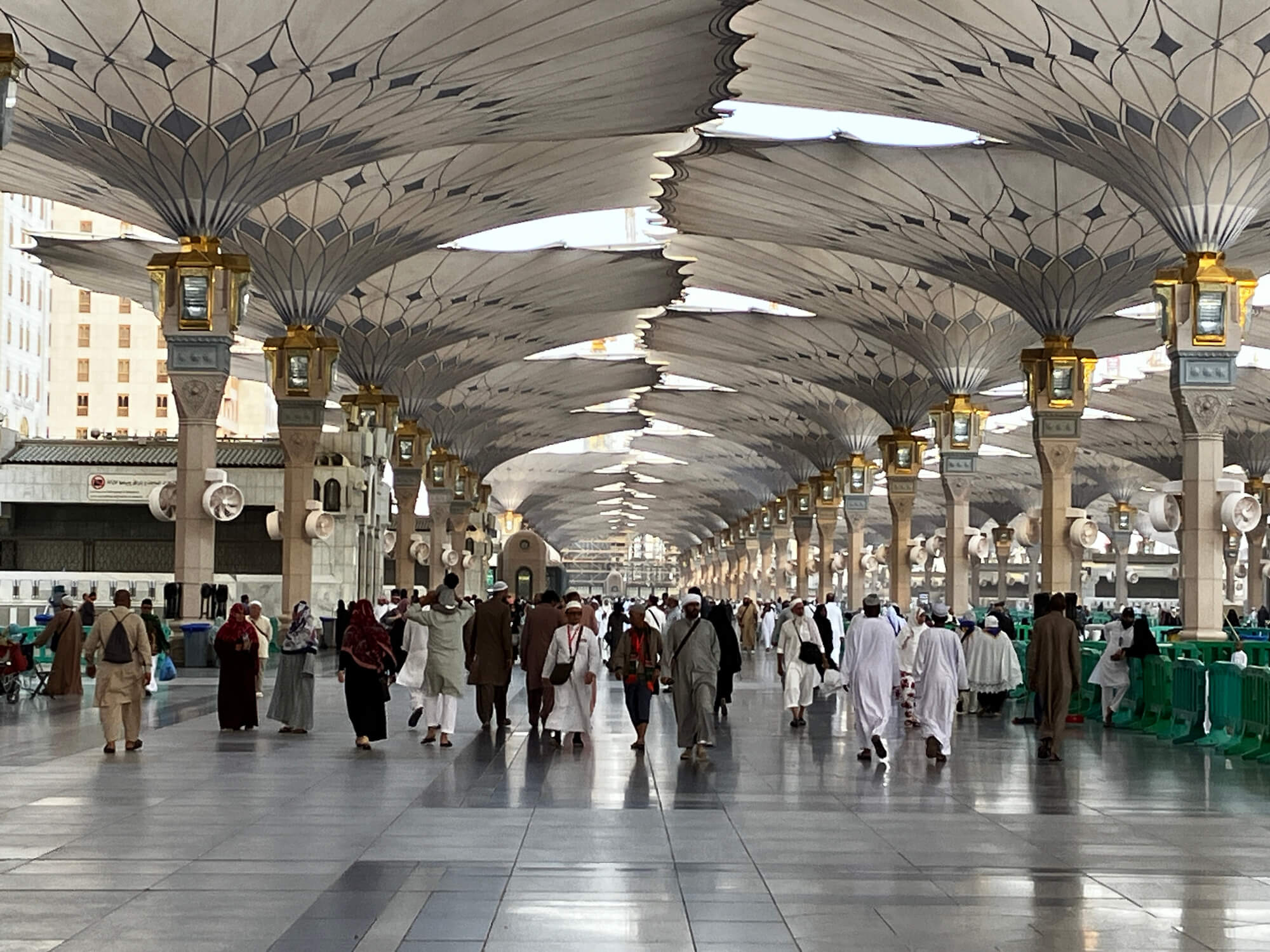 Why Performing Umrah is a Reviver of Faith in Islam


