
IslamiCity
Listen PodCasts, Live Quran, Watch Videos @VideoHub

In a significant move set to reshape regional alliances, the Central Asian nation of Kazakhstan is preparing to formally join the Abraham Accords, the U.S.-brokered initiative designed to normalize relations between Israel and Muslim-majority countries.
The anticipated announcement is expected during an upcoming White House gathering, underscoring the strategic priority the United States places on this diplomatic expansion. While Kazakhstan and Israel have maintained formal diplomatic ties for decades, this step to enter the Accords framework carries profound symbolic weight, signaling a deliberate and strategic deepening of their partnership.
Analysts point to this development as a clear indicator of the Accords' growing influence, pushing its boundaries beyond the Middle East and into a region historically within Russia's sphere of influence and increasingly targeted by China for investment. The move is widely interpreted as a U.S. effort to bolster its strategic footprint in Central Asia.
For Kazakhstan, the government has framed the decision as a "logical progression" of its long-standing foreign policy, which prioritizes international dialogue, economic integration, and regional stability. The accession is expected to unlock new avenues for cooperation, particularly in high-tech sectors like defense, cybersecurity, and agricultural technology.
However, the expansion is not without its global implications. It sends a powerful message that the normalization of ties with Israel is continuing its forward momentum, potentially pressuring other Muslim-majority nations to reconsider their positions. This comes as key Arab powers, citing unresolved issues related to Palestinian statehood, continue to remain outside the agreement.
The international community will be watching closely to see if Kazakhstan's decision triggers a domino effect, encouraging other Central Asian states to follow suit. The critical question remains whether this symbolic diplomatic victory will translate into tangible economic and security benefits, and how rival global powers will respond to this perceived encroachment on their traditional turf.
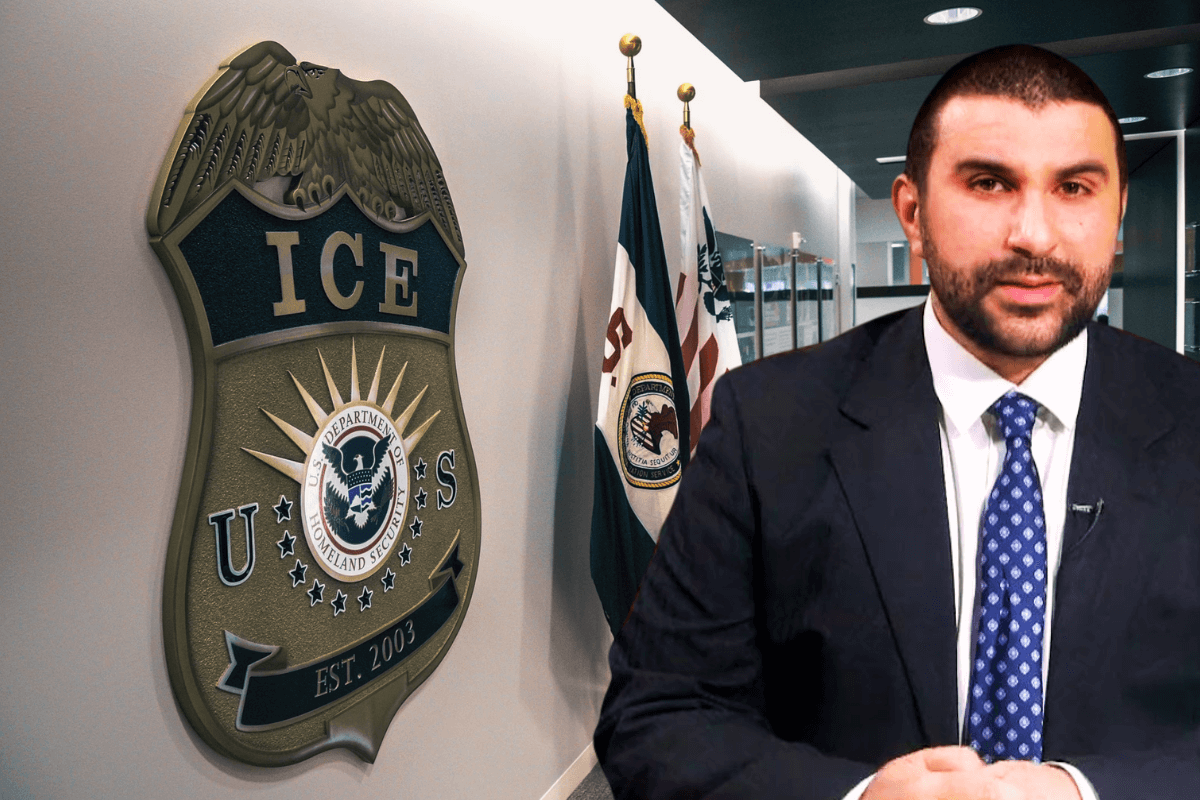 UK Commentator Sami Hamdi Jailed by ICE After Criticizing Israel


