
IslamiCity
Listen PodCasts, Live Quran, Watch Videos @VideoHub

American immigration officials have taken British political analyst Sami Hamdi into custody, igniting a firestorm of criticism from civil liberties organizations who allege the U.S. is suppressing protected speech.
Hamdi, the editor-in-chief of the publication The International Interest, was detained by Immigration and Customs Enforcement (ICE) at San Francisco International Airport on October 26. The action followed a decision by the U.S. State Department to cancel his visa, a move sources suggest is directly linked to his vocal critiques of Israel's military campaign in Gaza.
According to officials from the Department of Homeland Security, the visa was revoked on grounds of "national security." ICE has stated Hamdi was subsequently detained for being "illegally present" in the United States. The commentator had initially entered the country legally on October 19 for a speaking tour organized by the Council on American-Islamic Relations (CAIR).
The detention has drawn sharp condemnation from CAIR, which labeled the government's actions a "blatant affront to free speech." The group asserts that Hamdi is being targeted for his political viewpoints, specifically his opposition to Israeli policy. Legal representatives for CAIR have visited Hamdi and are preparing a legal challenge to his detention.
Critics point to public pressure from pro-Israel voices as a potential factor in the case. Shortly before the detention, far-right activist Laura Loomer publicly demanded Hamdi's removal, describing him as a threat to national security.
The incident has prompted involvement from the British government, with the Foreign Office confirming it is providing consular assistance and has been in contact with U.S. authorities. Hamdi's family has expressed deep concern for his welfare.
This case has quickly become a flashpoint in the ongoing debate over the boundaries of free expression and national security in the United States, with advocates warning it reflects a troubling pattern of scrutinizing those who criticize Israeli actions. As the legal battle unfolds, Hamdi's detention continues to raise fundamental questions about the influence of political advocacy on immigration enforcement.
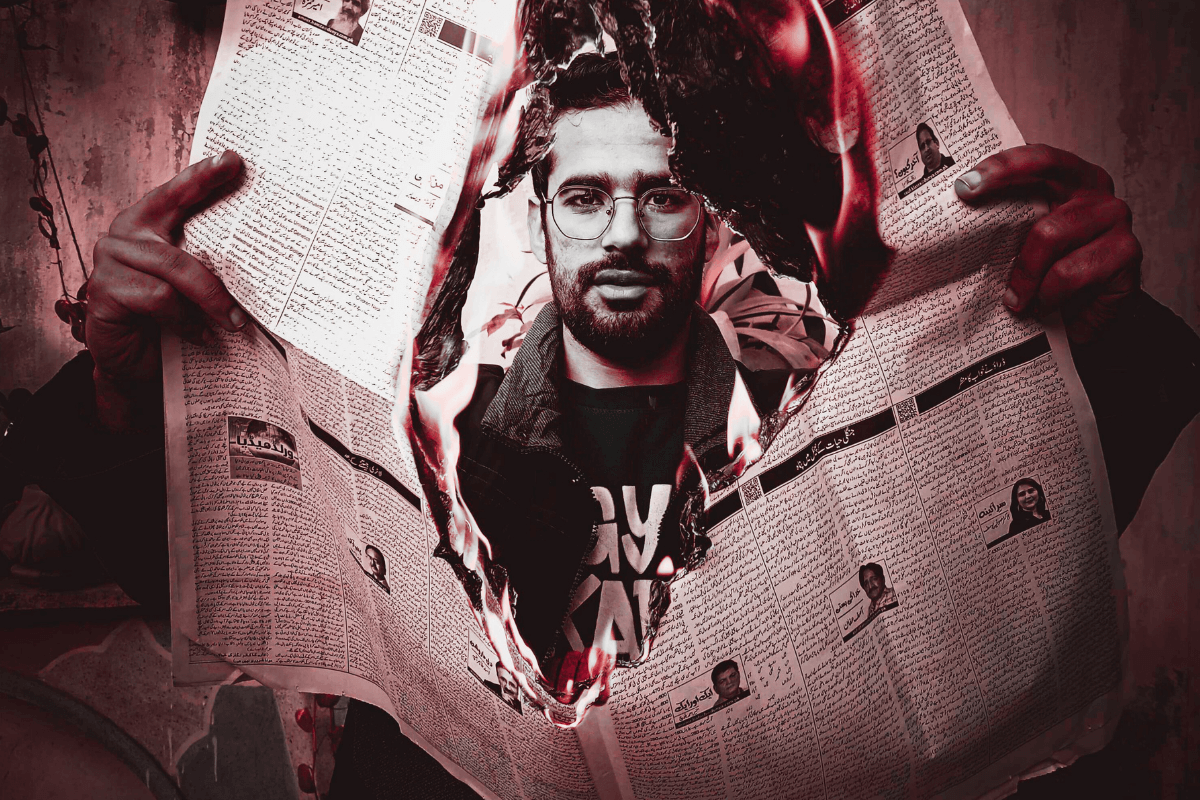 Why does Israel target Palestinian journalists in Gaza?


