
IslamiCity
Listen PodCasts, Live Quran, Watch Videos @VideoHub

The discussion examines the shifting dynamics surrounding the Gaza ceasefire - questioning whether it marks the start of genuine peace or merely a pause before renewed conflict. It explores Turkey's strategic resurgence, Donald Trump's political calculations, and the competing agendas of Muslim nations as global power structures realign. With clarity and moral depth, the conversation reveals how the ceasefire emerged, what it exposes about U.S.-Israel tensions, and why public opinion worldwide is increasingly turning toward justice for Palestine, as analyzed by Sami Hamdi for The Thinking Muslim podcast hosted by Jamal Muhammad.
Sami begins with the question: Did Erdoğan save Gaza?
The response: that framing is misleading. Turkey did not save Gaza. Instead, Erdoğan acted with calculated restraint for two years - balancing between public outrage over the genocide and preserving economic and political ties with Israel and the United States.
When Israel attacked Qatar, creating a major diplomatic blunder, Erdoğan saw an opening. Having maintained relations with both Washington and Tel Aviv, Turkey suddenly became useful to Trump as a potential mediator. Erdoğan and Foreign Minister Hakan Fidan leveraged this position - not to stop the genocide, but to gain influence in shaping what comes next.
Turkey now seeks to:
Broker between Trump and Hamas.
Promote an international peacekeeping force in Gaza under a NATO or UN banner.
Secure a long-term Turkish role similar to its influence in northern Syria.
In this sense, Erdoğan isn't saving Gaza; he is exploiting a geopolitical opportunity.
The ceasefire was not primarily engineered by Erdoğan. It resulted from Israeli overreach - specifically the attack on Qatar, which threatened Trump's personal and family business interests in the Gulf.
Trump, angered by the potential risk to his investments and those of Jared Kushner and Eric Trump, pressured Netanyahu to halt operations. When Kushner - a staunch Zionist - was ordered to meet Hamas for talks, it signaled Trump's frustration with Israel's recklessness.
The ceasefire was thus imposed on Israel by Trump, with Qatar and Turkey working behind the scenes to persuade Hamas to accept.
Now Erdoğan is positioning himself as a stabilizing actor:
Promoting a Turkish-led international peace force to deliver aid and oversee reconstruction.
Convincing Trump that this would allow him to claim the title of "peacemaker" without further U.S. spending.
Countering Israeli objections that Turkey will "never leave Gaza" once it enters.
Turkey's ultimate objective is to entrench influence and ensure that Gaza cannot be attacked or annexed again.
Saudi Arabia and the UAE are not guarantors of the ceasefire. They refused to sign the agreement alongside Turkey, Qatar, and Egypt - signaling disapproval.
In fact:
Both regimes were angered that Egypt hosted the Sharm el-Sheikh conference and facilitated the deal.
They saw the ceasefire as a setback, fearing it would strengthen Hamas and empower Erdoğan and Qatar.
After the ceasefire, both issued statements refusing to fund Gaza's reconstruction while Hamas remains in control.
Their position is stark: they withheld leverage to stop the genocide but are now using it to ensure the outcomes of the genocide are preserved - namely, the dismantling of Palestinian resistance.
Unlike Biden, whose Zionism is ideological, Trump's support for Israel is transactional. His priority is optics and legacy, not theology or ideology.
He wants the headline:
"Where Biden failed, Trump brought peace."
This explains his rapid push for ceasefires in Gaza and even talks between Ukraine and Russia.
However, Trump's unpredictable nature and short attention span make the ceasefire fragile. If he loses interest, Israel may resume its operations.
For now, though, he listens to Erdoğan, Qatar, and Egypt - not because he trusts them, but because they help him maintain the image of a "deal-maker."
A remarkable transformation is underway in the U.S.
Polls now show that more Americans sympathize with Palestinians than with Israelis, especially among younger voters. The shift stems from unfiltered social media access - ordinary Americans directly witnessing the atrocities in Gaza.
Platforms like TikTok have bypassed the Zionist-controlled information filters that once shaped Western opinion.
Prominent right-wing commentators - Tucker Carlson, Candace Owens, and Joe Rogan - now openly criticize Israel. For Trump's base, being "America First" increasingly means rejecting "Israel First."
Several U.S. politicians are returning AIPAC donations and refusing future funding.
Candidates who support Israel risk losing elections.
"America First" candidates are gaining traction across party lines, while "Israel First" candidates face public backlash.
This is creating a new political dividing line in the U.S.:
America First vs. Israel First.
The upcoming midterm elections may determine whether AIPAC's decades-long dominance collapses.
Muslim nations always had the leverage to stop the genocide - through economic pressure, investment, and diplomatic ties. They simply chose not to use it until Israel's bombs hit Qatar.
The tragic irony: they acted only when their own interests were threatened.
The Saudis, Emiratis, and others could have told Trump:
"Your personal projects are at risk unless this genocide stops."
They did not. Only when the war threatened their own stability did they panic and act.
The rulers of Saudi Arabia and the UAE see Islam not as a unifying moral force but as a threat to their power. They fear their people's faith and their desire for unity beyond colonial borders.
Their regimes spend massive resources to suppress expressions of solidarity with Palestine - even deporting or imprisoning citizens for minor gestures. Their fear is not of the West, but of their own populations' Islamic consciousness.
Ordinary Muslims are not ideologically weak. They overwhelmingly support justice, charity, and Islamic values. The real problem is fear and repression.
Citizens live under regimes where even whispering sympathy for Palestine can lead to imprisonment or worse. The result is paralysis - not indifference.
As Ibn Khaldun observed, when rulers transgress and the people fail to restrain them, Allah destroys both. Silence in the face of oppression invites collective decline.
In closing, Sami turns to a deeply personal reflection about parenting, faith, and purpose.
He shares lessons from his upbringing - how his father instilled in him urgency, responsibility, and gratitude. He was taught:
Do good now, not tomorrow - life is uncertain.
Serve others as a path to serving Allah.
Value your children's voices early; trust them, involve them, and make them feel part of something meaningful.
True success, he concludes, is not measured by worldly titles or age but by what one offers Allah before death.
"Warn your children they may not live to be doctors or lawyers - but remind them they can die as believers who did something meaningful for Allah."
Muslims, he says, must rediscover their sense of mission - to act with courage, justice, and love for the ummah, without waiting for others or for tomorrow. Because tomorrow is never guaranteed.


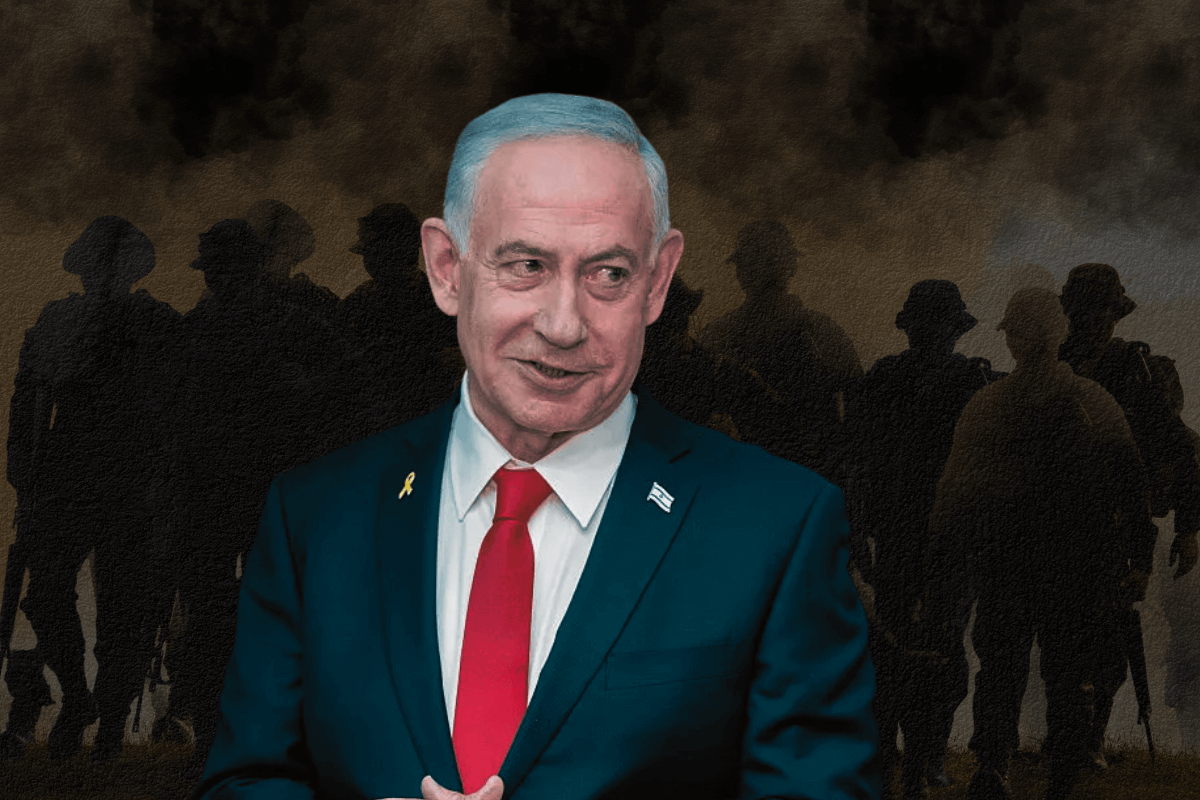 Israel Turns to Militias to Govern Gaza’s South, Defying UN Concerns