
IslamiCity
Listen PodCasts, Live Quran, Watch Videos @VideoHub

The International Olympic Committee (IOC) has moved to sanction Indonesia, including suspending its 2036 Olympic bid, following the nation's decision to deny entry to Israeli athletes in a show of solidarity with Palestine. The move has ignited a global debate on the intersection of sporting principles and political sovereignty.
The dispute centers on Indonesia's refusal to grant visas to an Israeli delegation for the World Artistic Gymnastics Championships, which began in Jakarta. The Indonesian government affirmed that the decision was a direct reflection of its longstanding and principled foreign policy in support of Palestinian rights and in opposition to the ongoing humanitarian situation.
The stance was widely supported within the country, with influential bodies like the Indonesian Ulema Council (MUI) and the Governor of Jakarta voicing strong public sentiment. They argued that allowing participation would be contrary to the nation's moral commitment against occupation and would cause deep distress among its citizenry.
In response, the IOC expressed "great concern" and imposed significant penalties. The committee has immediately halted all discussions regarding Indonesia's bid to host the 2036 Summer Olympics. Furthermore, it has issued a recommendation to all international sports federations to avoid awarding Indonesia future major events.
The IOC stated that host nations must ensure non-discriminatory participation for all eligible athletes. It has demanded that the Indonesian government provide written guarantees of access for all nationalities before any future hosting rights can be considered.
This development places Indonesia at the heart of a growing conflict between the stipulated regulations of international sporting bodies and the right of nations to make sovereign decisions aligned with their ethical and political convictions. The situation is being closely watched as a test case for how global institutions navigate deeply held political and humanitarian stances taken by member states.
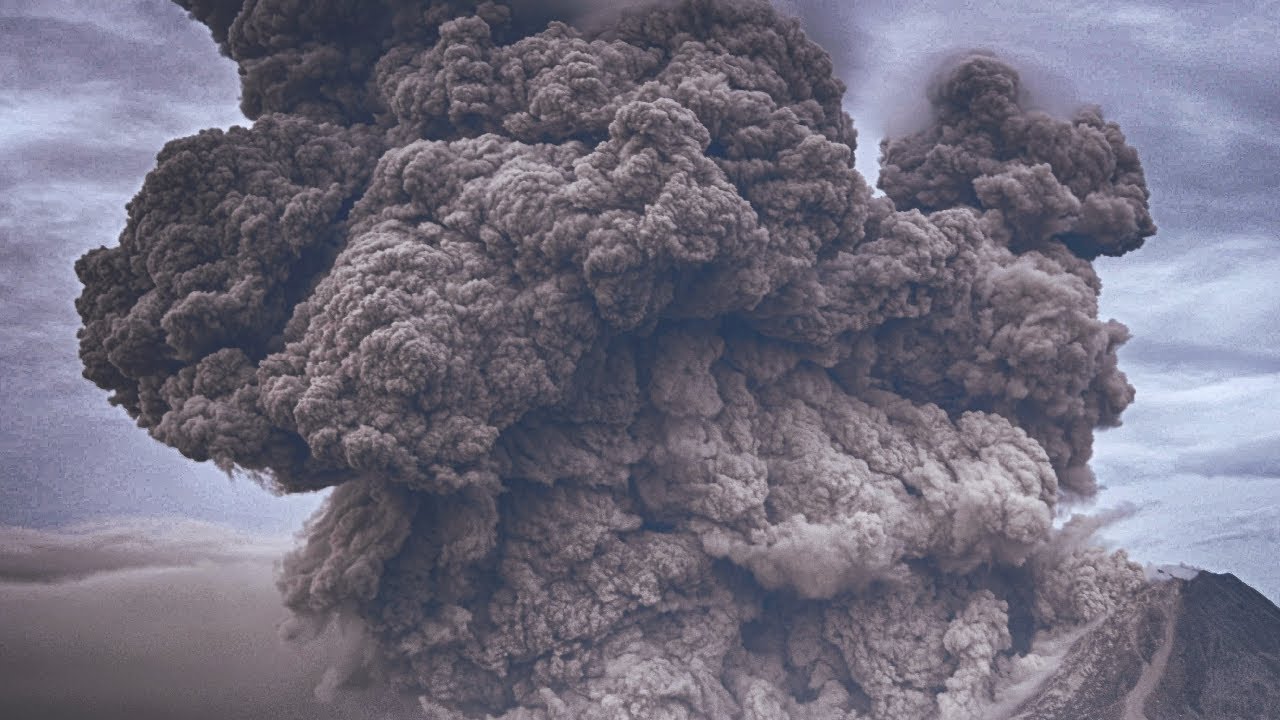 Geology: Semeru Volcano Eruption


