
IslamiCity
Listen PodCasts, Live Quran, Watch Videos @VideoHub

The Trump administration's Middle East posture-marketed as a "peace plan"-is really coercive power politics aligned with Israel's maximalist goals. The current "ceasefire" is designed to fail, international law is being sidelined, and Washington is repositioning to open new fronts in Central and South Asia, argues Patrick Henningsen.
Henningsen contends the plan demands Palestinian submission (disarmament and demilitarization) without reciprocal guarantees.
He says Israel historically breaks ceasefires and then blames Palestinians, framing Gaza as a "war on terror" to justify exceptional measures.
Allowing aid trucks into Gaza is described as tacit acknowledgment of a long-running siege; the pause is humanitarianly welcome but politically fragile.
He claims U.S. policy now mirrors Israel's approach: shielding Israel from accountability while pressuring bodies like the ICC/ICJ.
The guest portrays the administration as staffed by media figures and lobby-approved appointees, lacking independent diplomatic capacity.
Result: erosion of international norms (Geneva/Genocide conventions) and domestic free-speech/assembly where Palestine protests are concerned.
He asserts the West Bank has been effectively partitioned and annexation-prepared; similar control is envisioned for Gaza.
Long-term outlook he describes: intensified displacement, enclosure, or expulsion of Palestinians, with regional spillover risks (Sinai/Jordan).
Egypt is boxed in and unlikely to confront Israel directly.
Iran is framed as the only regional actor both willing and able to deter Israel; Tehran's refusal to attend the Sharm el-Sheikh summit is cast as drawing a line.
Turkey: public rhetoric aside, Henningsen argues Ankara ultimately prioritizes its own territorial/energy interests and did little materially for Palestine.
He says a Gaza pause frees bandwidth for Washington to refocus on Afghanistan/Pakistan, contain China's Belt & Road, pressure India/BRICS, and hem in Iran from the east.
He floats reporting/rumors of U.S. interest in re-entering Bagram Air Base, signaling a possible re-militarization of the region.
Strategic prize: Pakistan is the only Muslim-majority nuclear state, a key Belt & Road node (CPEC), and a hinge between China, Iran, India, and the Gulf.
Imran Khan's significance: Henningsen portrays Khan as a populist nationalist seeking strategic autonomy-better ties with India, pragmatic relations with China/Russia, and less U.S. tutelage. He argues this threatened Western aims to "pull the center of gravity back West."
Ouster & aftershocks: Khan's removal is framed as reversing de-escalation prospects with India and reopening Pakistan to external manipulation through the military/political apparatus.
What's next: He warns of a potential proxy war spanning Afghanistan-Pakistan, U.S. efforts to disrupt CPEC, talk of nuclear "disarmament" pressure on Pakistan, and attempts to pry Islamabad away from Tehran and Beijing.
The guest suggests Washington could restart a Global War on Terror narrative with a small false-flag or incident, then use media momentum to justify a return-reopening covert options against Iran and leverage over Central Asia.
Henningsen claims outsized influence of the Israel lobby in cabinet picks and parliamentary party purges (U.S./U.K.), turning Western policy into a liability that sacrifices alliances and global standing to defend Israel.
He sees two clashing trajectories: Israel's territorial ambitions backed by U.S. power vs. the long-term delegitimization of Israel in global public opinion and the hollowing of international law.
Outcome variables include Iran's deterrence, Pakistan's political path post-Imran Khan, and whether Washington truly re-boots the Afghan theatre.
The discussion portrays the summit as photo-op diplomacy with little substantive talk on Gaza's actual solution-leaders chasing optics, not outcomes.
Patrick Henningsen is a journalist, broadcaster, and global affairs analyst best known as the founder and editor of the independent news site 21st Century Wire. He also co-anchored UK Column News and hosts The Patrick Henningsen Show on TNT Radio. His work and commentary have appeared across international outlets, and he holds an MA in International Relations from the University of Plymouth.
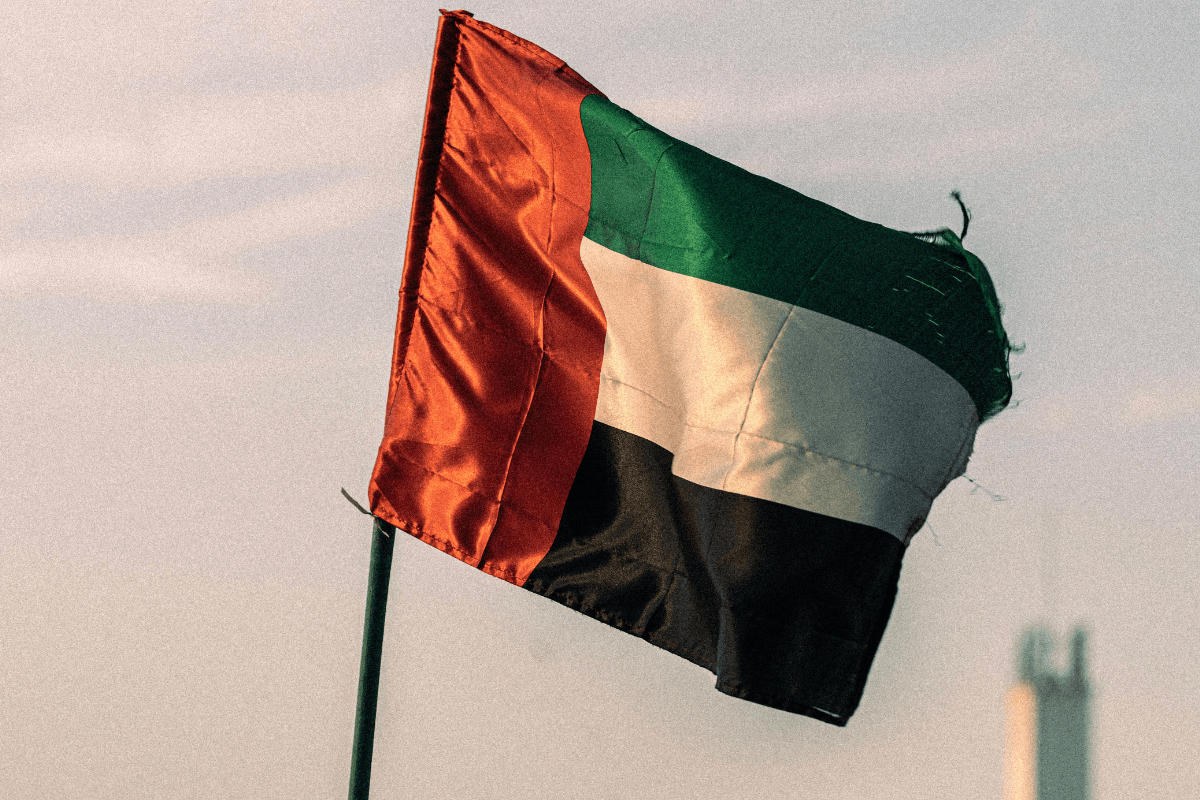 UAE Withdraws Support for Gaza Mission, Citing “Unclear Plan”


