
IslamiCity
Listen PodCasts, Live Quran, Watch Videos @VideoHub

If he had stayed in the place of his birth, he probably would be alive in the memory of his friends and family. Like thousands of young Kashmiris seeking dignity for their people, he may have been abducted, imprisoned, tortured, or killed.
He lost many of his family members, including his uncle, in 1947 when the state of Jammu and Kashmir became a bone of contention between India and Pakistan. More than half a million Muslims were butchered by forces who wanted Jammu and Kashmir to be free from Islam.
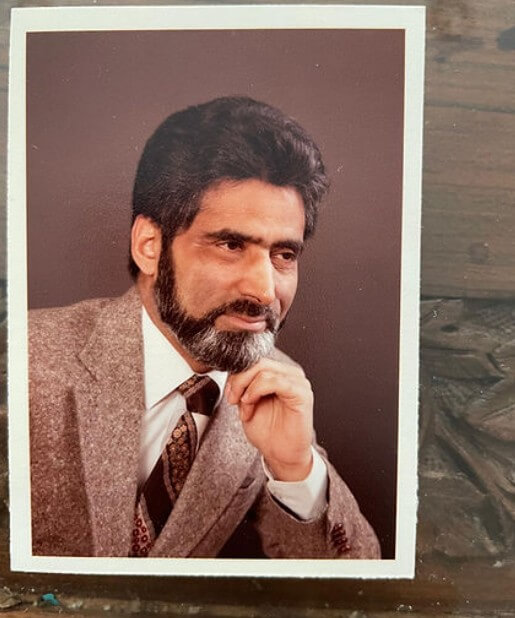
Kashmiris have a rich cultural and religious history. Often, their rulers and leaders sold them for their own gain. Yet they have not given up their struggle for dignity and peace. Like most Kashmiri youth, he also grew up with dreams of progress and peace, but destiny had different plans for him.
Fearless, Dr. Sayyid M. Syeed, accepted the new challenges with courage and determination., he had learned from his mentor, Maulana Mohammad Syeed Massoudi, that life was not a bed of roses and one must give all that one has to find the purpose of life and work hard to achieve it.
He learned this in the barracks of the prison in Kashmir, where he had the privilege of the company of Maulana Massoudi, known as the poet-philosopher of Kashmir, the composer of the state's national anthem, the first member of Parliament from Kashmir, and a signatory to India's constitution. Dr. Syeed spent two years in prison.
The young prisoner spent nine months with the Maulana in a Kashmir prison, acquiring the qualities of patience, compassion, inclusivity, and forgiveness. He demonstrated them wherever he went. He led the International Islamic Federation of Students Organizations, founded the Muslim Students Association, laid the groundwork for the Islamic Society of North America, and, like his mentor, pioneered the publication of journals, magazines, and books. Under the leadership of Dr. Ismail Farooqi, a Muslim philosopher in America, he participated in the movement for the Islamization of Knowledge.
Whatever position he took, he demonstrated his intellectual exuberance, political acumen, intelligent foresight, organizational skills, crisis management abilities, and spiritual depth. In his work, he blended simplicity with social service, power with compassion, and authority with responsibility.
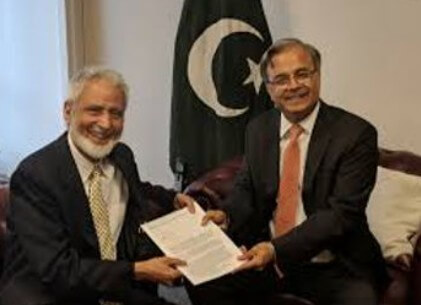
Dr. Syeed is in the league of stalwarts like Mirwaiz Moulvi Farooq, Syed Ali Shah Geelani, Shamim Ahmad Shamim, and Khawaja Abdul Ghani Lone, who regard them as a disciple of Maulana Massoudi.
Dr. Syeed's most momentous challenge came immediately after September 11, 2001, when Muslims had become suspects in the eyes of most Americans after the destruction of the Twin Towers in New York. He remembers those days, especially the first Friday after the attacks. He saw a crowd approaching the mosque, not knowing the intentions, he greeted the marchers, only to learn that they had come to protect the Masjid.
Not only that, but he devoted his work to intensifying interfaith work nationally and globally. He led several initiatives to bring people of different faiths together. His involvement in movements for civil rights has empowered him to speak on behalf of those denied justice.
He is a strong advocate of democracy worldwide. Through ISNA, he brought democratic movements in the Muslim world closer to Muslim Americans. ISNA, in its conventions, has heard leaders from Pakistan, Iran, Malaysia, and other countries who identify with democracy and interfaith dialogue. The history of Islam is incomplete without noticing its role. He is an iconic figure for the younger generation. His family is a testament to his dedication. All his children are dynamically involved in making the world a better place. They are engaged in public life, academic institutions, and the media. His influence goes far beyond his family. He is a father figure in Islamic work in America.
Like his mentor, he wants to give all that he has for a better world. He has not visited his birthplace in decades. He has not forgotten the inherent beauty of the place and people. Kashmir still visits him in his ideas through its lofty mountains, deep lakes, evergreen forests, and snowy fields. He longs to one day revisit there to breathe the fresh air of the land, many people call a specimen of paradise on earth. But he knows that his efforts have always been to earn the paradise promised to those who are peacemakers, forgiving, honest, and just. His life is a testimony to these eternal values.
He spends most of his time reading and raising awareness of critical issues in addition to taking care of his life partner, who stood by him through thick and thin, but now is facing challenges in her health.
Dr. Syeed is a role model through his intellectual contributions, dynamic social work, and interfaith efforts to make the world a better place.
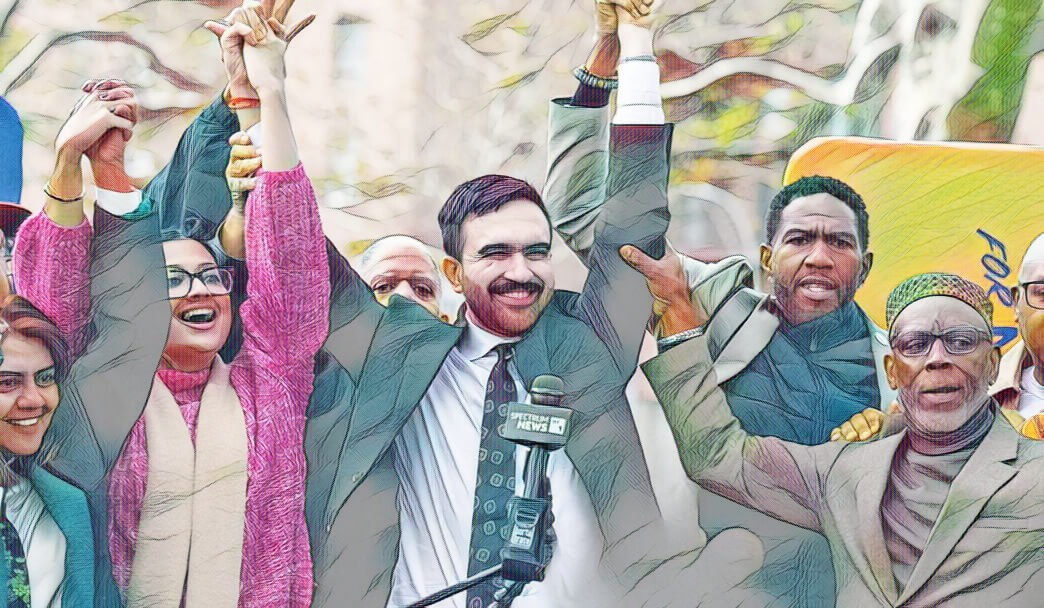 Zohran Mamdani and the Moral Imagination of the American City


