
IslamiCity
Listen PodCasts, Live Quran, Watch Videos @VideoHub

ISLAMABAD, PAKISTAN - In a significant diplomatic move, Pakistan has urged for the creation of a consolidated coalition of Arab and Islamic nations to address what it identifies as escalating Israeli territorial ambitions within Palestine and adjacent areas.
This call to action emerges against a backdrop of heightened violence and diplomatic friction, with growing international concern over the potential for a widened occupation in Gaza and the West Bank.
Growing Concerns Over Territorial Claims
Pakistani officials have recently amplified their condemnation of Israeli military initiatives and reported settlement growth, labeling them as modern "colonization efforts." The nation's foreign policy apparatus contends that these actions not only jeopardize Palestinian civilians and violate established international statutes but also pose a substantial threat to the stability of the broader Middle East region.
Echoing this sentiment, Pakistan's Defence Minister recently stated that a failure by the Muslim world to present a united front could risk pulling additional nations into a wider, more destructive conflict. From Islamabad's perspective, the situation transcends a mere humanitarian disaster; it is a multifaceted issue with deep geopolitical and religious significance that demands an immediate and coordinated international response.
The Blueprint for a Joint Task Force
The proposition put forward by Pakistan involves establishing a specialized task force under the auspices of major Islamic bodies like the Organisation of Islamic Cooperation (OIC). The envisioned mandate for this coalition is broad and strategic, including:
Diplomatic Coordination: Crafting a unified diplomatic approach within global institutions like the United Nations and the International Criminal Court to pursue accountability for alleged human rights violations.
Targeted Measures: Implementing coordinated sanctions, arms embargoes, and diplomatic measures aimed at Israeli officials connected to expansionist policies.
Humanitarian Aid: Streamlining and securing the delivery of international aid to civilians in affected regions like Gaza.
Monitoring and Reporting: Officially documenting and publicizing activities related to settlement construction and land appropriation.
Global Advocacy: Lobbying non-Muslim nations and major world powers to build a broader consensus against expansionist practices.
Mixed Reception and Practical Hurdles
While several Muslim-majority nations have expressed ideological sympathy with Pakistan's position, the proposal faces considerable practical challenges. Many states have recently normalized relations with Israel, and endorsing aggressive measures could jeopardize valuable trade, security partnerships, and foreign investment. The potential for diplomatic and economic backlash has created a climate of caution.
Independent human rights groups, while supportive of multilateral action, stress that any measures must firmly adhere to international law to avoid exacerbating violence. They also note that for sanctions to be effective, they require widespread global support far beyond the Islamic world.
Israeli authorities have consistently denied allegations of expansionism, maintaining that their military operations are necessary counter-terrorism measures and that settlement activities are lawful within their framework of bilateral agreements.
Islamabad's Strategic Motivations
Pakistan's advocacy for this coalition is driven by several core factors:
Ideological Solidarity: The country has a long-established policy of supporting Palestinian statehood and does not formally recognize Israel, aligning its foreign policy with anti-occupation narratives.
Domestic Consensus: There is potent and widespread public and political pressure within Pakistan for the government to take a stronger stand against Israeli actions.
Regional Security: Pakistani leadership warns that uninterrupted settlement growth could ignite further regional instability, disrupting critical trade routes and diplomatic relations.
Legal Strategy: By fostering collective action, Pakistan aims to bolster ongoing legal challenges against Israel in international courts, lending them greater legitimacy and weight.
Potential Global Ramifications
Should the proposal gain momentum, it could signal a pivotal shift from issuing solitary statements of condemnation to enacting a cohesive, policy-oriented strategy. The formation of such a bloc would force many nations to recalibrate their delicate balancing act between maintaining ties with Israel and responding to domestic public opinion and international legal norms.
Potential outcomes include increased diplomatic isolation for Israel, a surge in legal proceedings at international courts, and the implementation of economic sanctions that could disrupt trade and technology exchanges. Nevertheless, the success of any such initiative hinges on its ability to bridge internal divisions within the Muslim world, secure wider international backing, and develop a strategy that is both principled and practically enforceable.
The Path Forward
Pakistan is expected to formally present its proposal at forthcoming OIC summits and other regional gatherings, likely seeking supportive resolutions at the UN. International observers will be closely monitoring which nations endorse the initiative, whether leadership emerges from key regional players like Saudi Arabia, Turkey, or Egypt, and the specific legal and diplomatic tools the proposed task force would employ.
For now, Pakistan's appeal represents a decisive attempt to transform rhetorical support into a concrete, collaborative strategy-a critical test of unity for Muslim-majority states on one of the world's most persistent and divisive conflicts.


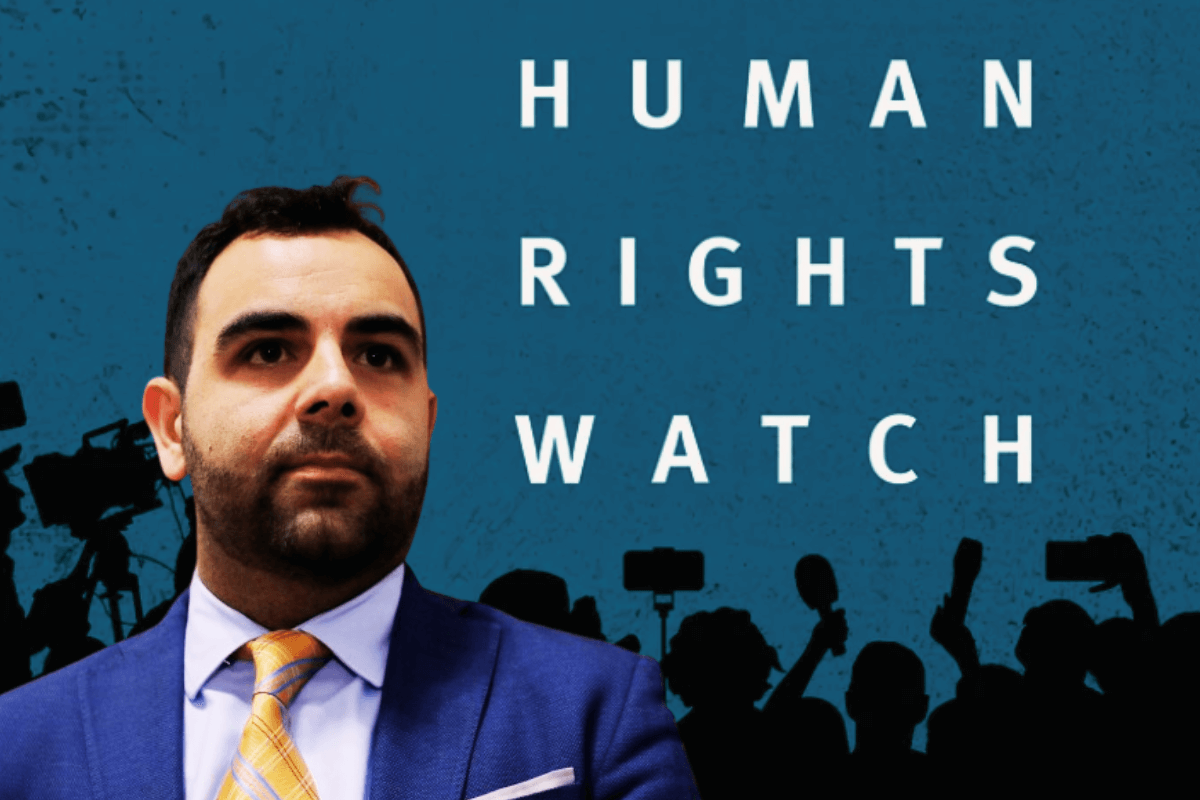 Omar Shakir Quits HRW After Leadership Halts ‘Crimes Against Humanity’ ...