
IslamiCity
Listen PodCasts, Live Quran, Watch Videos @VideoHub

A devastating earthquake measuring over 6.0 in magnitude struck Afghanistan's Nangarhar Province late on August 31, 2025, leaving widespread destruction across several regions. The tremors, which occurred just before midnight, were felt in Kunar, Laghman, Nuristan, and Kabul, toppling homes and burying villages under rubble.
According to local officials, more than 800 people have been confirmed dead and thousands injured. Emergency workers warn the death toll is likely to rise as remote areas remain cut off due to blocked roads and unstable terrain. Survivors are grappling with the loss of family members while facing urgent shortages of food, clean water, and shelter.
In addition to immediate aid, HHRD workers are assisting communities in clearing debris and salvaging what remains of their homes. "Our goal is not only to provide urgent relief but also to help families begin the long process of recovery," said an HHRD spokesperson.
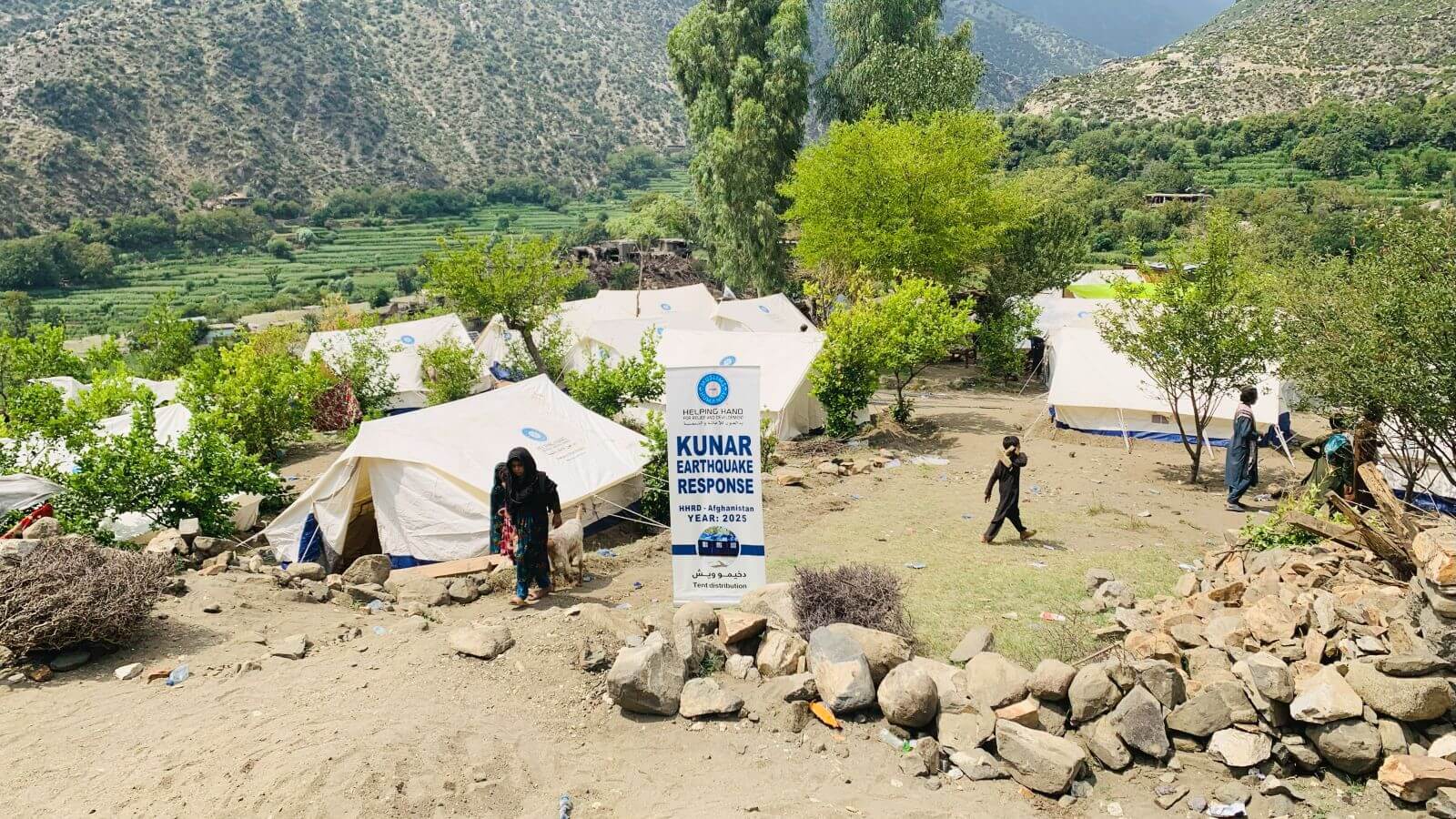
The earthquake has compounded Afghanistan's already fragile humanitarian situation. The country has endured decades of conflict, natural disasters, and economic instability, leaving millions vulnerable. Relief agencies stress that without sustained international support, survivors risk facing a secondary crisis driven by hunger, disease, and exposure to harsh weather.
HHRD has appealed to donors worldwide to contribute to relief efforts, emphasizing that ongoing assistance will be essential to support long-term recovery. The organization has pledged to remain engaged beyond the initial emergency phase, helping families rebuild homes, restore livelihoods, and regain stability in the months ahead.
The full extent of the damage remains unclear as assessments continue, but early reports indicate thousands of homes have been destroyed or rendered uninhabitable. Local hospitals, already stretched thin, are struggling to treat the influx of injured. International partners are coordinating with Afghan authorities to ensure aid reaches the most affected regions quickly.
For Afghanistan, still recovering from previous natural disasters, this earthquake marks yet another challenge in a series of crises. Relief organizations stress that while emergency aid is urgently needed, long-term resilience and rebuilding efforts will be vital to help survivors recover from the disaster.
Article Reference: HHRD
 Afghanistan's Plight Overshadows Eid al-Fitr


