
IslamiCity
Listen PodCasts, Live Quran, Watch Videos @VideoHub

The world often faces moments of deep hardship, and few crises are as heart-wrenching as hunger. Today, the ongoing starvation in Gaza reminds us of the suffering endured by countless innocent people, especially children.
As Muslims, these moments call us not only to empathy but to reflection, prayer, and action. Interestingly, the history of our faith shows that hunger and deprivation are not new trials-they have touched the lives of the Prophets themselves.
Prophet Muhammad ﷺ and his companions experienced severe hunger during the early years of his prophethood, particularly during the boycott of the Banu Hashim clan by the Quraysh. For three long years, they were cut off from trade and resources, surviving on little more than dates and water. Aisha (may Allah be pleased with her) narrated that months would pass without any cooking being done in the Prophet's household. Yet, even in such extreme deprivation, the Prophet remained patient, steadfast, and unwavering in his mission.
Prophet Dawood (peace be upon him), though a king, lived humbly and earned his sustenance through labor as a blacksmith. He demonstrated that dignity lies in honest effort and reliance on Allah, even when material comfort is absent.
Prophet Musa (peace be upon him) led the Children of Israel out of Egypt and into the desert, where they experienced hunger and thirst. Despite their longing for the familiar foods of Egypt, Allah provided manna and quails, showing that sustenance can come from unexpected sources.
Prophet Ayyub (peace be upon him) endured immense suffering, including illness and loss of wealth. While his trials were not solely about hunger, deprivation was part of his life, testing his patience and faith.
Prophet Ibrahim (peace be upon him) faced rejection, hostility, and exile in fulfilling Allah's command. Leaving one's homeland and facing hardship often meant experiencing hunger and scarcity, yet he remained devoted and trusting in Allah.
These stories are not just history-they are lessons. Hunger and hardship have always been tests of faith. They teach patience, reliance on Allah, and the importance of empathy and action.
For us today, witnessing the starvation in Gaza, there are ways we can respond meaningfully:
The trials of the Prophets show us that deprivation, hunger, and hardship are not signs of abandonment-they are opportunities to grow in patience, gratitude, and faith. Let us take hope from these stories and act, pray, and reflect for those who endure hunger today. May Allah grant relief to the people of Gaza and guide us to be of help and support in every way we can.


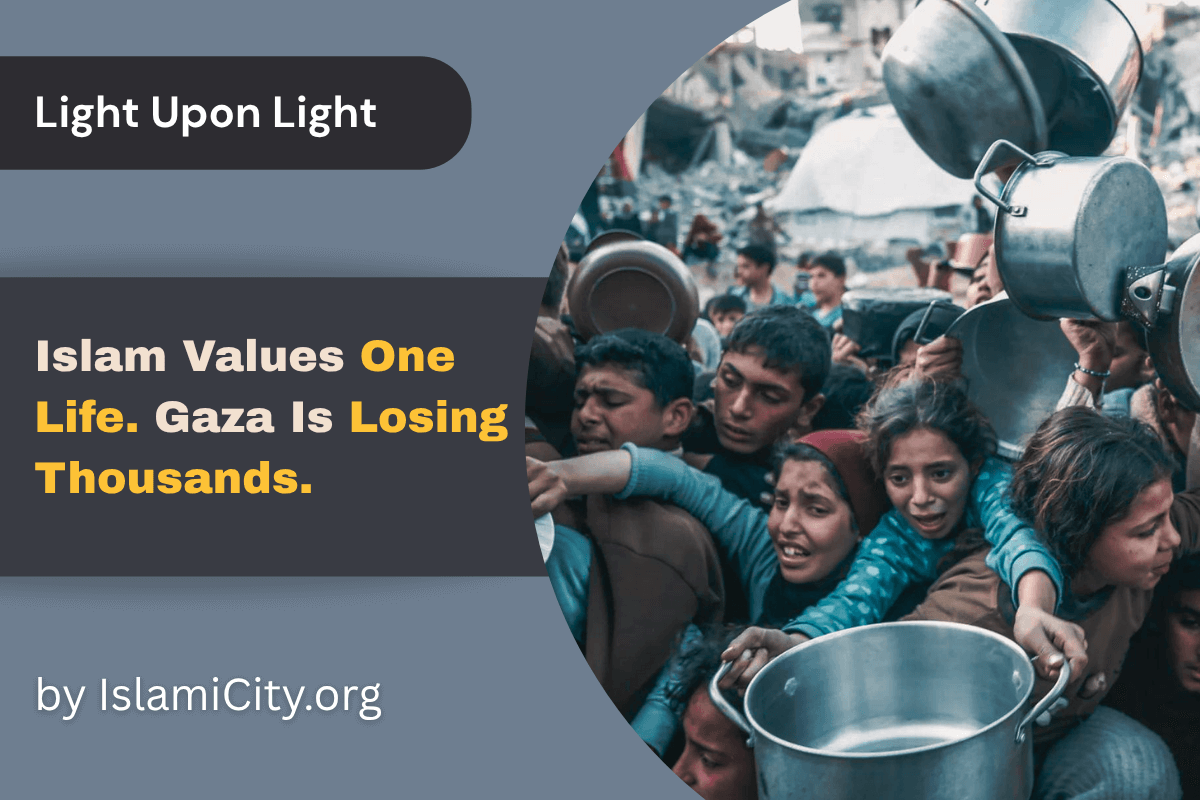 The Value of One Life in Islam — And the Pain of Gaza - Light Upon Light ...