
IslamiCity
Listen PodCasts, Live Quran, Watch Videos @VideoHub

When he retired from one of America's most prestigious daily newspapers in 2024, he and the team of reporters had already earned journalism's most prestigious award, the Pulitzer, in addition to several other awards recognizing his photojournalism that had enriched the readership for 30 years.
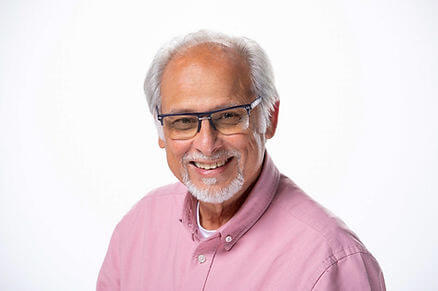
During hiss long career, he was engaged in capturing some of the most extraordinary photographs, documenting the digital history of his adopted country and state.
Born in Pakistan to a family in transition after his parents moved from India, Khan, after graduation, devoted his time to learn advanced photography skills.
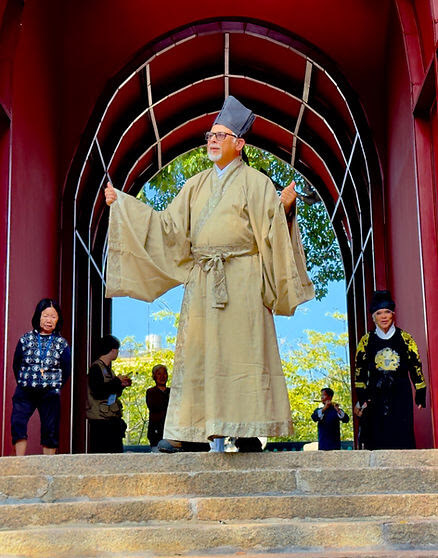
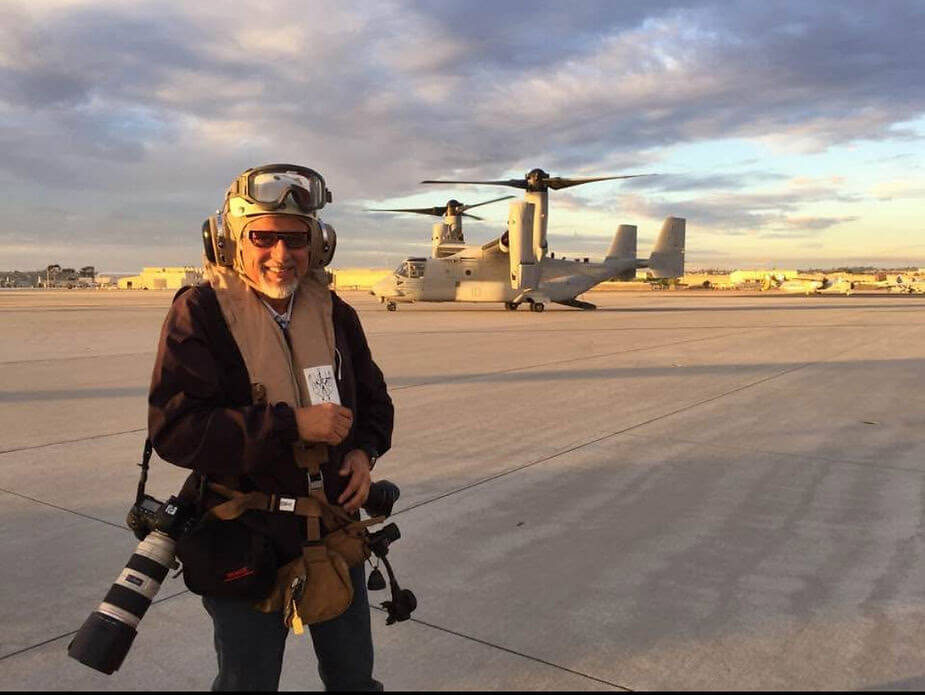
Irfan Khan was a staff photographer with the Los Angeles Times from 1996 to 2024. He had served as a freelance photographer for the publication beginning in 1989. Khan's assignments took him across Southern California and the US. He also photographed in Saudi Arabia and war zones of the Pakistan/Afghanistan border areas after the Sept. 11, 2001, attacks. He and a team of journalists earned the Pulitzer Prize in breaking news for coverage of the 2015 terrorist attack in San Bernardino.
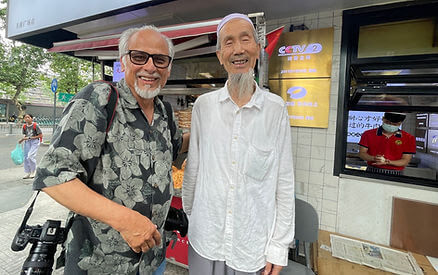
Furthermore, he is a recipient of the Society of Professional Journalists Greater Los Angeles Chapter's 45th Annual Journalist Award 2020.
He started his career as a commercial photographer in Pakistan in 1973.
With his hard work and dedication, he completed his advanced education and returned to the country. Known for his artistic style and ability to capture reality in digital format, he attracted the attention of businesses in Dubai. He spent several years in the United Arab Emirates, impressing his new audience with his skills while working for an English-language newspaper.
He did not know at that time that one day he would work for the iconic Los Angeles Times.
The journey to this prestigious position was not an easy one.
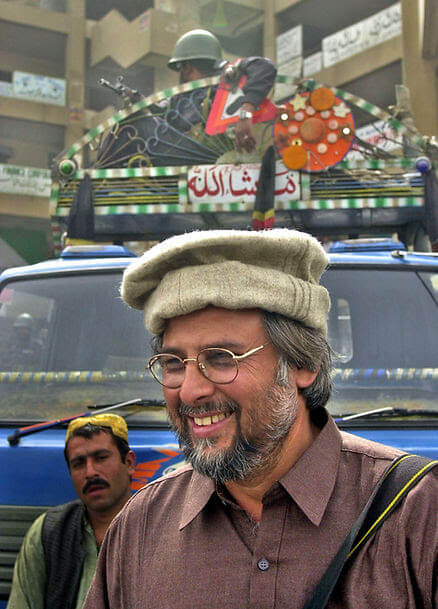
In addition to maintaining a high quality of his works, he had to raise a family with four daughters and also provide support to his siblings in Pakistan. He never lost his focus and worked as hard as he could to balance his professional and family responsibilities. Being the eldest among his siblings, he made sure to stay in touch with them. As a father, he, along with his wife, Najma, raised their daughters with the values of compassion, curiosity, and hard work.
As a Muslim, he always believed that his efforts would not go to waste. It is hard in the US to raise four daughters on his faith traditions and values, which often sounded foreign to the US. He must have heard a saying of the Prophet Muhammad that the one who raised daughters on strong values would be next to me on the day of judgment. He was a role model for his four children, all of whom are highly educated and possess strong ethical values.
Yet, in raising the family, he continued his journey from better to best.
After initially working as a freelancer and part-time, he received a call from the Los Angeles Times, which he accepted. During his stay with the newspaper, he not only captured thousands of pictures of current events such as earthquakes, forest fires, and election rallies, but also introduced new story ideas to the newspaper.
He introduced the Sikh community, the African American Muslims, the emerging Muslim generation, and the South Asian diaspora to the American audiences.
Through his work, he highlighted the plight of marginalized and neglected communities. Many of his stories took his newspapers to places hitherto unknown.
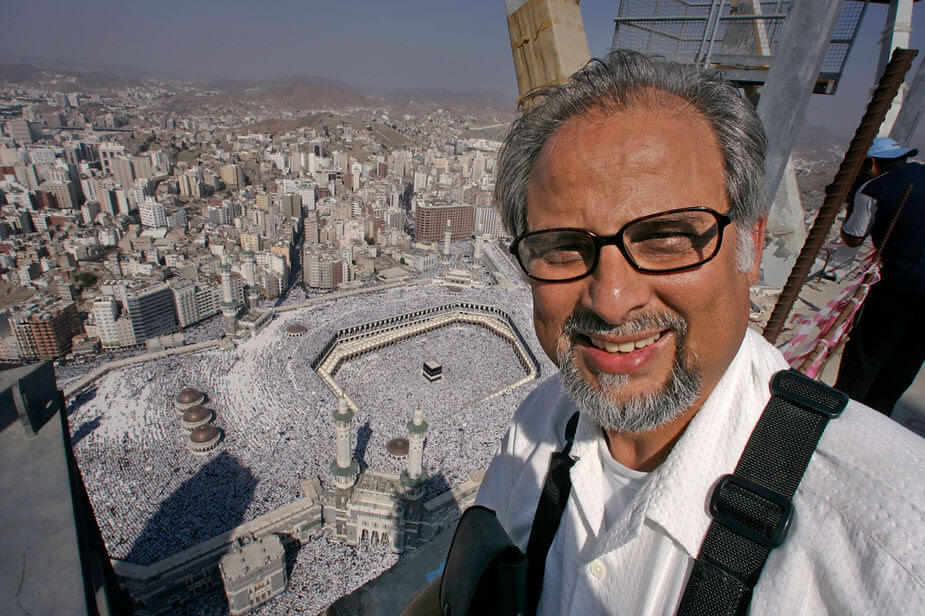
His visit to Makkah for live coverage of the Hajj, the great Muslim festival, was a landmark in his career. It was a significant achievement of American journalism. He was one of the few American journalists who, in addition to performing the pilgrimage, brought his best to the American readers. Through his lens, America saw pictures of one of the world's most significant religious events. He maintained a balance between his faith and profession.
Each of his stills was a piece of art and a living depiction of reality. His work is a masterpiece of capturing people's feelings and the spirit of the occasion.
 Zohran Mamdani Wins NYC Democratic Mayoral Primary


