
IslamiCity
Listen PodCasts, Live Quran, Watch Videos @VideoHub

Hamas has agreed to a ceasefire framework mediated by Egypt and Qatar, which closely follows an earlier plan backed by the U.S.
The arrangement would pause hostilities in Gaza for 60 days and involve the release of several Israeli hostages-both living and deceased-in exchange for hundreds of Palestinian prisoners, including women and minors. It also outlines a partial withdrawal of Israeli forces and greater humanitarian access.
While Hamas has not introduced new demands, Israel has not formally responded, leaving key disagreements unresolved-particularly over Hamas's refusal to give up control in Gaza.
The humanitarian picture is worsening. Aid organizations warn that current supply levels are insufficient to prevent widespread hunger. A relief vessel carrying over a thousand tonnes of food staples-such as rice, pasta, and baby formula-is approaching Israel's Ashdod port with support from several countries and charities. The UN, in partnership with aid groups, is expected to oversee distribution once the cargo is cleared.
Health officials in Gaza report hundreds of deaths tied to malnutrition this year, many of them children. Aid workers continue to face extreme risks, with a large share of global humanitarian casualties in 2025 occurring inside Gaza.
Israeli forces continue to strike neighborhoods including Zeitoun and Sabra, where dozens of casualties have been reported. Ground assaults and aerial attacks have displaced thousands of families, forcing more residents of Gaza City to flee.


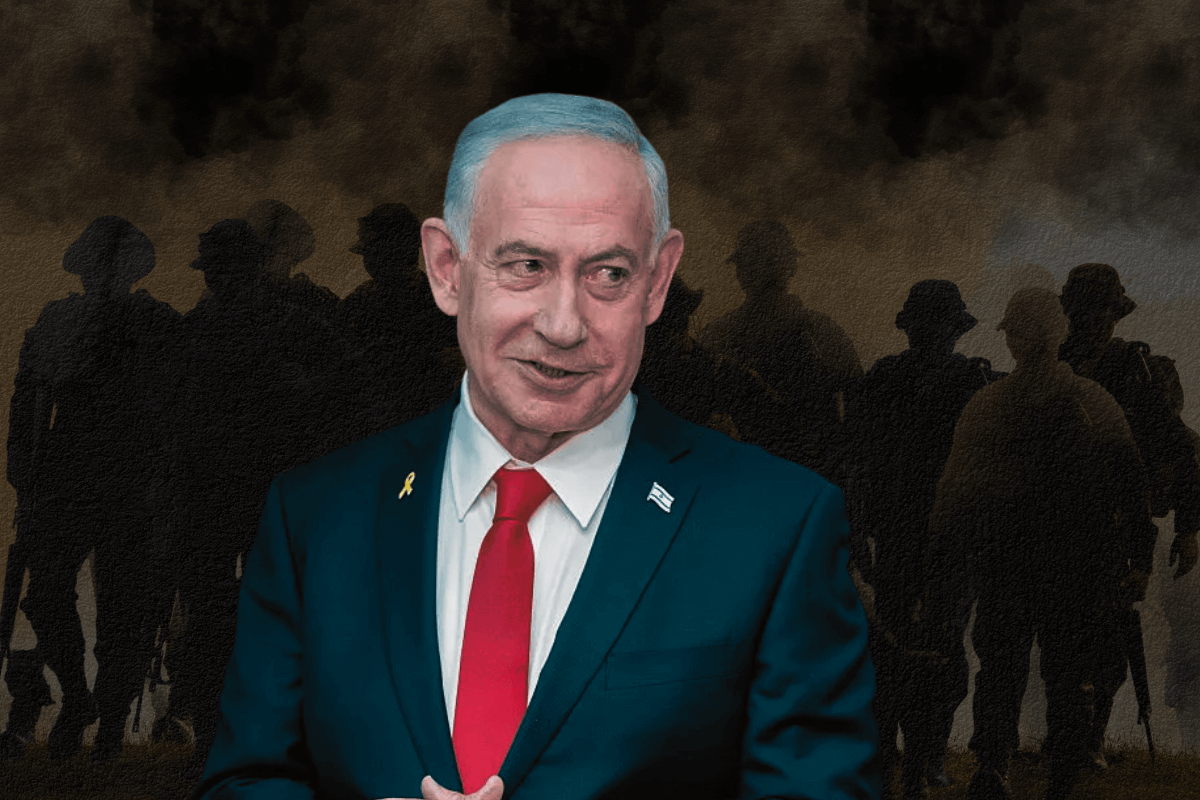 Israel Turns to Militias to Govern Gaza’s South, Defying UN Concerns