
IslamiCity
Listen PodCasts, Live Quran, Watch Videos @VideoHub

Work ethic refers to an individual's intrinsic values that regulate or govern his or her approach to work. It is shaped by purpose, sustained effort, and a belief system rooted in moral responsibility.
At its core, work ethic is a value system that reflects how a person engages with tasks, that is, through diligence, productivity, discipline, and a deep connection to both personal and social meaning. It is also influenced by his or her cognitive state, emotional disposition, and behavior, all of which are shaped by belief.
Stated differently, work ethic encompasses an individual's awareness and motivation to perform his or her duties and responsibilities effectively, the desire to work diligently, and the intention to find satisfaction through his or her labor (Grabowski & Chudzicka-Czupała, 2021).
It includes the view that work is not merely an economic activity but a sacred and spiritual trust (amānah), as reflected in various religious traditions and central to the Prophetic model. This implies that participation in work goes beyond making money, earning a living, fulfilling economic needs, or attaining material success. Rather, it should be undertaken with a sense of duty, ethical responsibility, and spiritual accountability, as taught by the Prophet and preserved in his traditions.
These points underscore that work ethic is an essential internal guide. Without it, an individual often depends on external motivators such as rules, supervision, or incentives to remain productive and ethical. Internalized work ethic functions as a personal monitor or conscience, nurturing sincerity (ikhlāṣ), trustworthiness (amānah), and responsibility (mas'ūliyyah), thereby reducing reliance on external enforcement. It promotes purpose-driven behavior, which is essential in cultivating high-performing and ethically sound work environments.
Purpose-driven behavior refers to actions that are guided by a clear sense of meaning, direction, or higher purpose, rather than by routine, profit, or pressure alone. It involves knowing why one is doing something (beyond just the task itself), being motivated by values, mission, or long-term goals, and making choices that align with a bigger picture such as personal growth, social contribution, or spiritual responsibility.
In other words, work ethic encourages individuals to act with intention and meaning, helping to create workplaces that are both productive and guided by strong ethical principles. This is essential for sustaining high performance and maintaining integrity in professional roles and responsibilities
An employee needs work ethic to become not only effective but also content and fulfilled. He or she must adhere to work ethic consistently, that is before, during, and after formal working hours. It serves as a vital guide in managing his or her relationship with the self (through self- discipline and personal well-being) and with others in the workplace (through collegiality and trust). It also helps him or her fulfill job responsibilities with commitment and excellence.
Furthermore, it informs the way he or she interacts with clients or customers (by being honest), uses resources (avoiding misuse, ensuring sustainability and upholding fairness), and, most importantly, maintains a relationship with the Creator (through spiritual accountability). In this context, the Islamic principle of iḥsān, which means "to worship God as if you see Him," extends into the work sphere. It calls for excellence even when one is not observed by others.
The principle of iḥsān serves as a fundamental guide to work ethic. It reminds a person that even in professional duties, he or she is in the presence of God. This mindfulness inspires the individual to maintain integrity and strive for excellence at all times. Work ethic entails that when entrusted with a role or task, an individual is morally and ethically obligated to fulfill it with sincerity and accountability.
This responsibility applies to all levels of an organization, including employees, managers, leaders, professionals, and service providers. In Islam, every worker is viewed as a khalifah (vicegerent), accountable for how he or she carries out his or her responsibilities. The workforce is not simply a means of production but is made up of individuals who bear trust and moral agency. As the Prophet Muhammad ﷺ said, "Every one of you is a shepherd, and every one of you is responsible for his flock" (al-Bukhārī, Muslim).
Work ethic is therefore relevant not only in the workplace but also in personal life (such as self-care and time management), in community service (such as volunteering and civic duties), in digital spaces (upholding proper conduct online), and in private moments (where integrity must prevail even without visibility). Islamic work ethic transcends physical boundaries and specific contexts because ethical identity is holistic, continuous, and not situational.
How to Adhere to Work Ethic? To encourage adherence to work ethic in organizations, clear mechanisms and structured approaches must be in place. The most important measure is to make ethical principles and codes of ethics accessible so that each organizational member can know, understand, appreciate, internalize, and implement them. These ethical standards should be developed through a combination of empirical knowledge, religious teachings, cultural insights, and local wisdom. Of particular importance is the Prophetic tradition, which offers timeless guidance on work-related ethics.
A current project is underway to document and analyze the hadiths (sayings) of Prophet Muhammad ﷺ that address the values guiding members of work organizations. The goal is to encourage the internalization and practice of desirable work ethics, grounded in faith in God, respect for others, and commitment to collective well-being.
This project involves the study of hadiths related to work, drawn from the compilation by Imam Muhammad ibn Ismail al-Bukhari. Imam al-Bukhari is regarded as one of the greatest Islamic scholars and the compiler of Sahih al-Bukhari, which is widely recognized as one of the most authentic Hadith collections in Islam. The project is supported by the Imam Bukhari International Scientific Research Center (IBISRC), a premier academic institution in Uzbekistan committed to the study, preservation, and promotion of Islamic intellectual heritage.
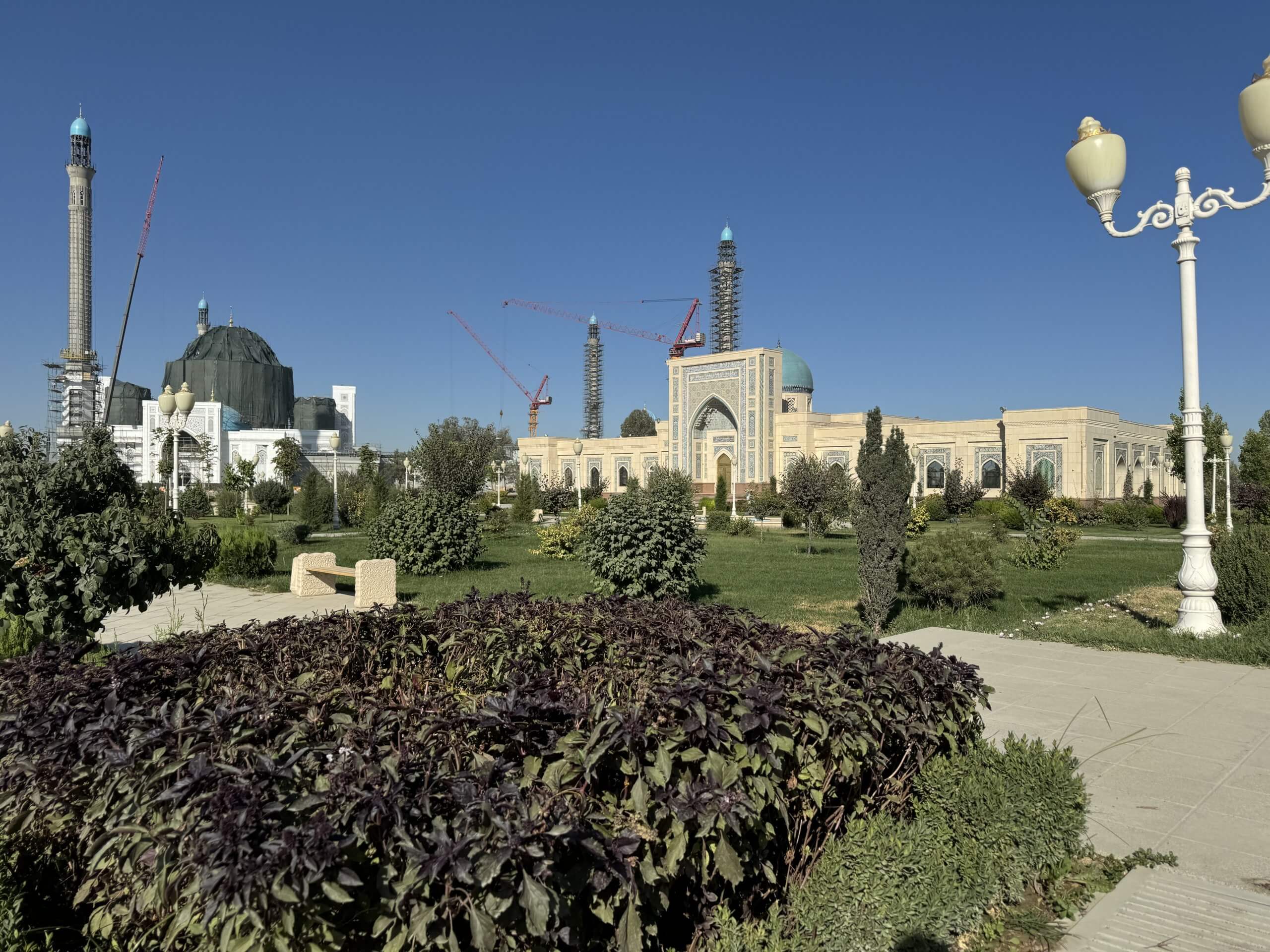
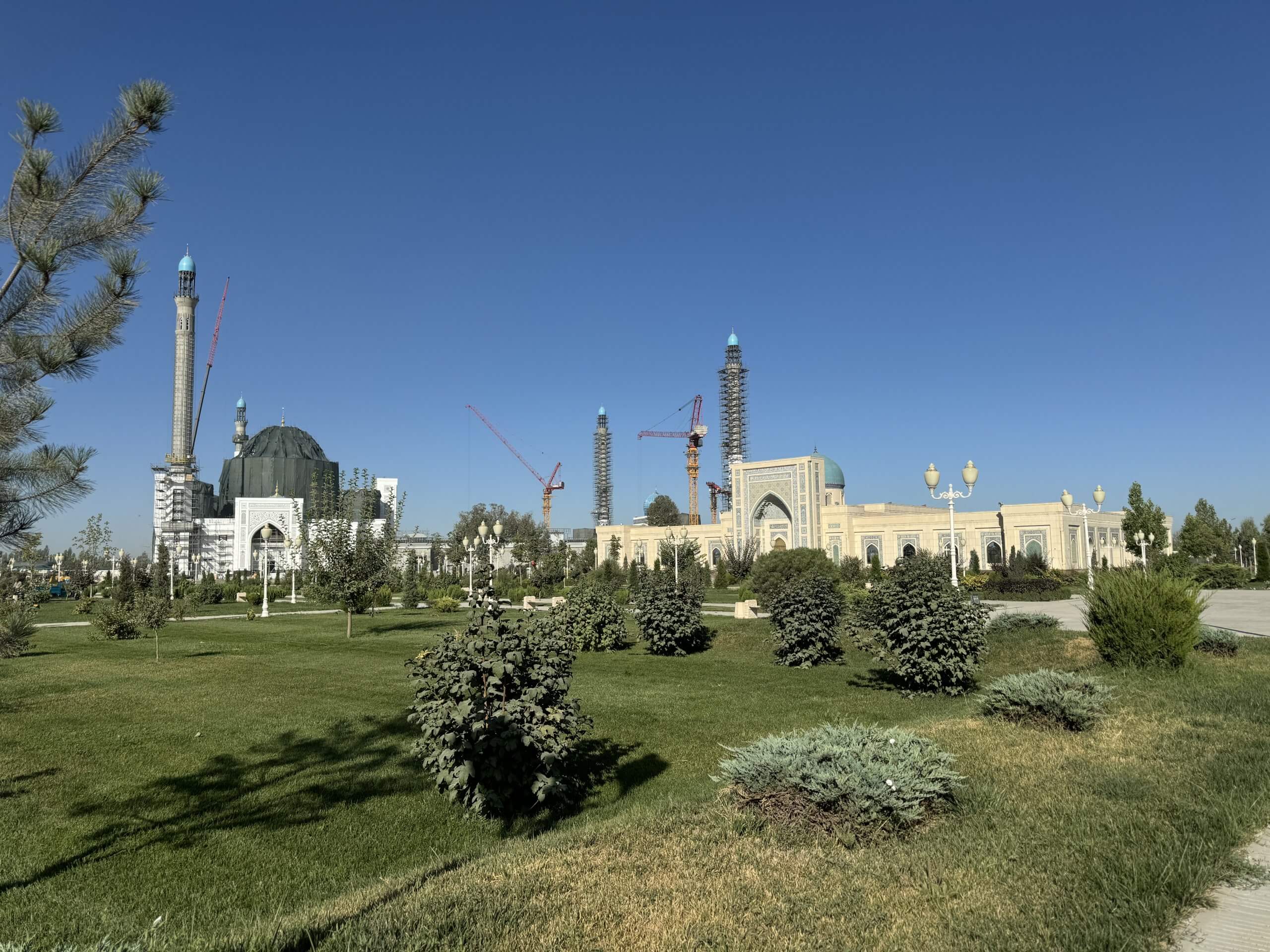
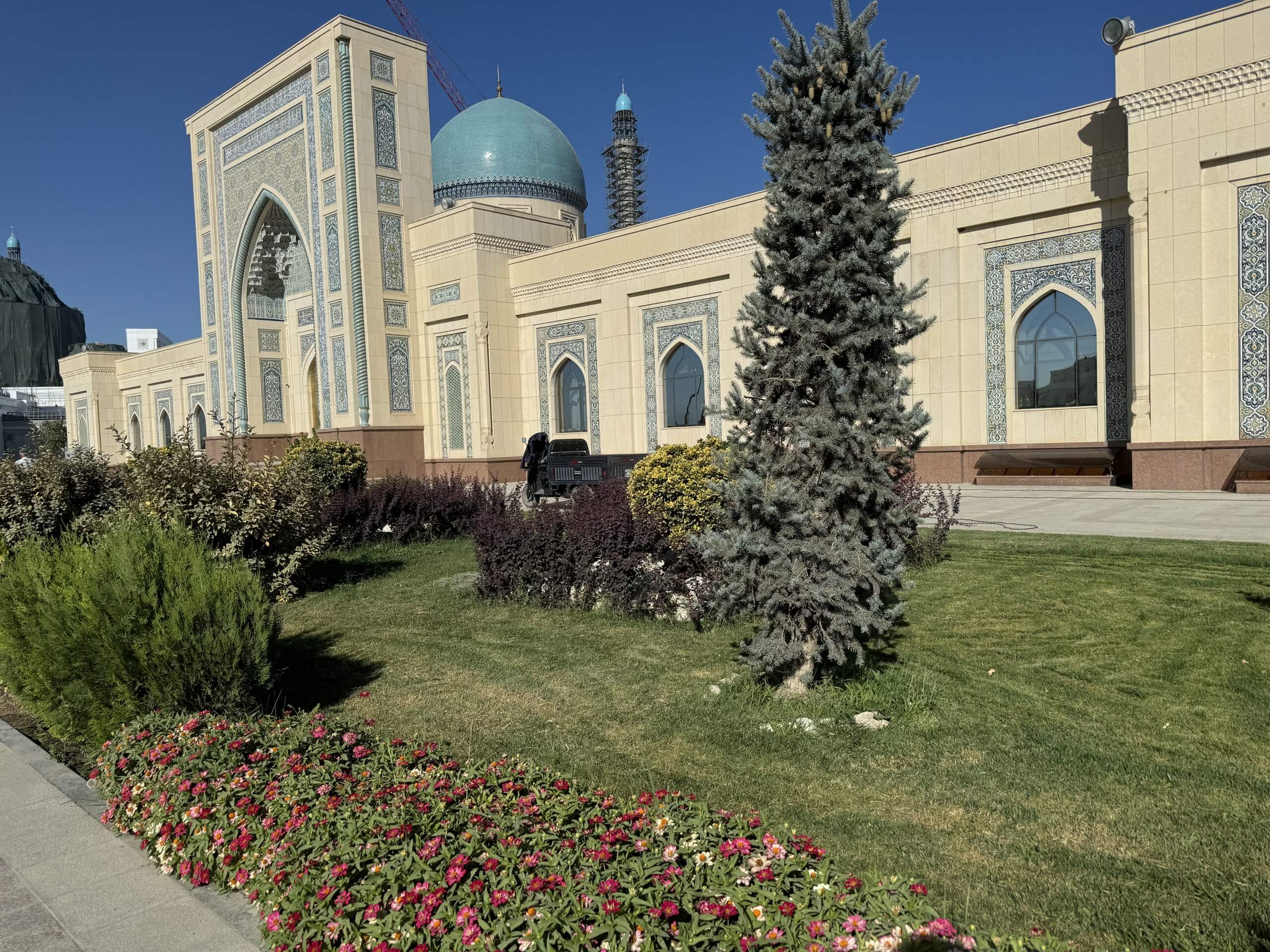
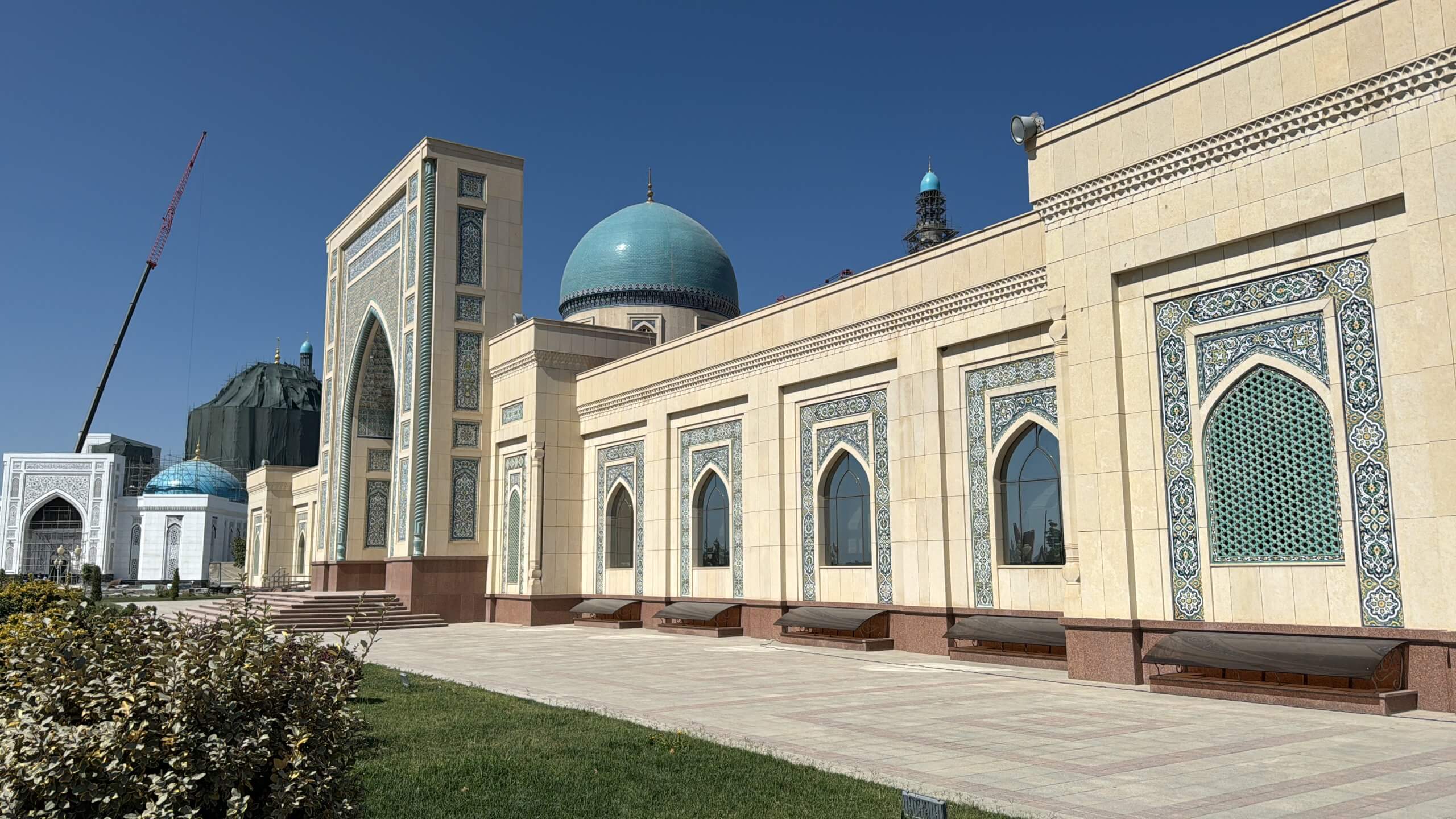
The center functions as a research hub, a scholarly platform, and a distinguished venue for international academic collaboration in areas such as Hadith studies, Islamic sciences, and classical Muslim scholarship. Located in a tranquil area near the Mausoleum of Imam al-Bukhari in Samarkand, Uzbekistan, the Imam Bukhari International Scientific Research Center offers a serene and inspiring academic environment.
The picturesque campus boasts an architecturally striking administrative complex, a well-curated museum, a comprehensive library, a serene mosque, and comfortable accommodations for guests. The center was officially inaugurated in 2021 under the auspices of the Cabinet of Ministers of the Republic of Uzbekistan as part of the country's broader initiative to revive and globalize its Islamic scholarly legacy.
Shukran Abd Rahman is a Professor of Industrial and Organisational Psychology at the Department of Psychology, AbdulHamid AbuSulayman Kulliyyah of Islamic Revealed Knowledge and Human Sciences, International Islamic University Malaysia. He is currently a Fellow Researcher at the Imam Bukhari International Scientific Research Center in Samarkand, Uzbekistan. His research interests include people management in organizations, career development, academic culture, work ethic, and institutional change and development in higher education.
 In Celebration of the Reflection of Beauty


