
IslamiCity
Listen PodCasts, Live Quran, Watch Videos @VideoHub

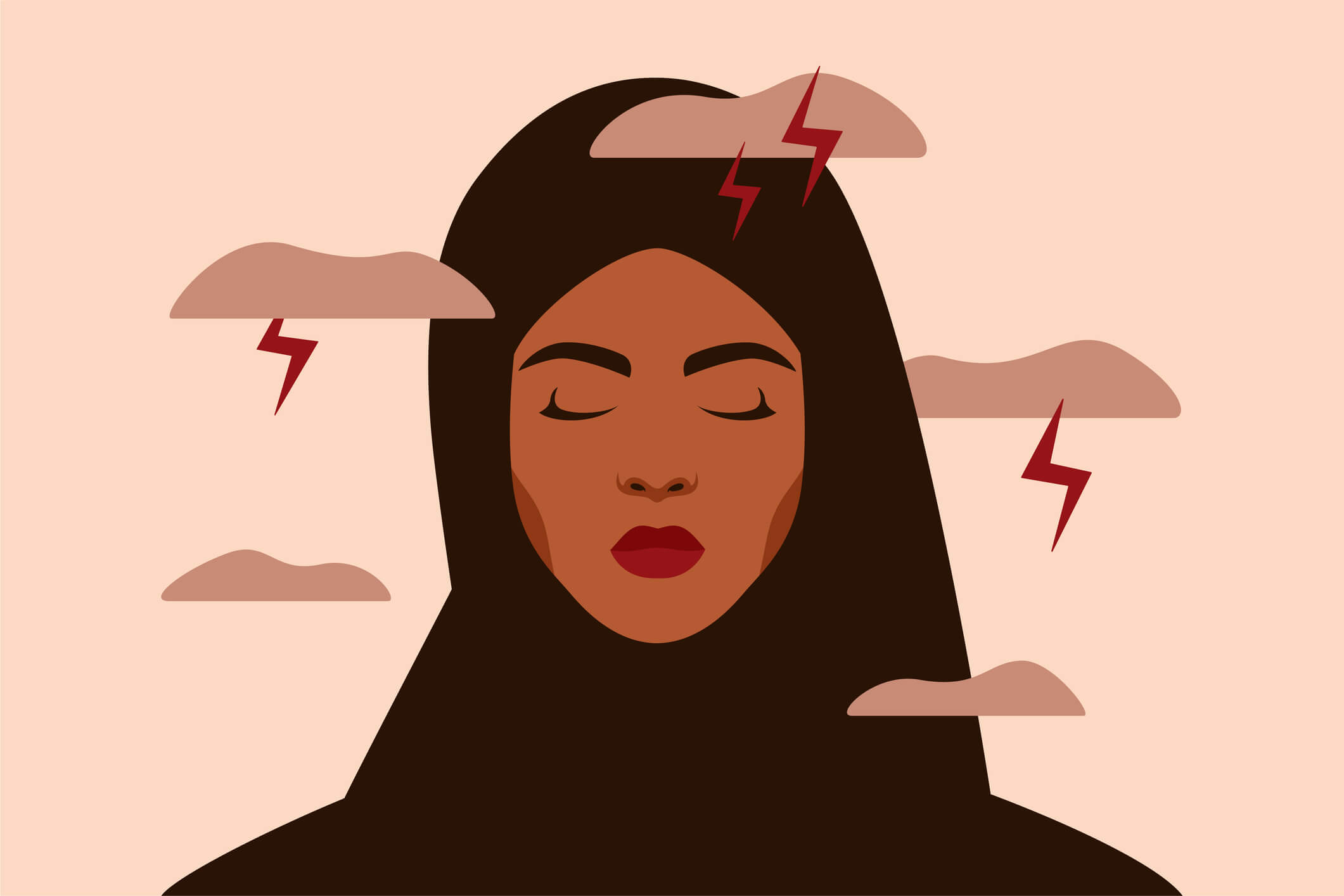
In many Muslim communities, the conversation around mental health is often clouded by stigma, misunderstanding, and well-intended but misinformed religious advice.
Phrases like "You're depressed because you're low in iman" or "Suicide doesn't happen among true believers" are still echoed far too often. But are these statements rooted in Islamic truth-or harmful assumptions?
To explore this further, a meaningful conversation was held with Ziad Sirhan, an accredited mental health educator and founder of Educate, an organization dedicated to shedding light on the realities of mental health, particularly within Muslim spaces. This discussion didn't just challenge misconceptions-it offered a faith-based, compassionate perspective rooted in both Islamic understanding and psychological insight.
Let's start with one of the most damaging myths: that depression or suicidal thoughts are signs of a weak believer.
Ziad shares a story of a devout individual-a hafidh of the Qur'an, someone trained at a prestigious Islamic institution-who was silently battling deep mental distress. If such a person can experience mental health struggles, clearly faith alone is not an impenetrable shield against psychological illness.
Faith can be a protective factor, yes. But it's not a cure-all. Just as a strong believer can still suffer from physical illness like diabetes or cancer, they can also suffer from mental illnesses like depression or anxiety. One doesn't cancel out the other.
One key point Ziad makes is the need to differentiate mental health from mental illness.
"When we say mental health, we often mean mental illness without realizing it," he explains.
Just as we don't confuse physical health with physical illness, we shouldn't blur these lines with mental well-being either. Mental health is not the absence of depression or anxiety. It's about overall well-being: the ability to manage stress, maintain relationships, and contribute meaningfully to life and community.
The World Health Organization defines mental health as "a state of well-being in which every individual realizes their own potential, can cope with normal stresses, work productively, and contribute to their community." That's a high and holistic standard-far beyond just "not being depressed."
In religious settings, the advice to "have sabr" (be patient) is common. But how and when this is said matters.
Ziad emphasizes that sabr is not about passivity or waiting for the storm to pass while doing nothing. True patience in Islam is active: seeking healing, using available resources, and taking responsibility for one's well-being. That includes professional help when needed.
The Prophet Muhammad (peace be upon him) himself faced immense grief and hardship. When his son Ibrahim passed away, he wept openly and channeled his pain in dua and remembrance of Allah. He never dismissed emotional suffering, nor did he instruct others to simply "move on."
One powerful analogy Ziad uses is this: imagine faith as a light that helps prevent someone from falling into a deep ditch. But sometimes, even with that light, someone may still fall due to unforeseen circumstances or overwhelming pain. When that happens, professional help is the rope that helps them climb back out.
Mental illness can act like a fog that clouds one's mind and weakens the feeling of faith. Once that fog lifts-through therapy, medication, or support-faith can shine more clearly again. Treating mental illness isn't about replacing religion. It's about removing the barriers that prevent someone from feeling its strength.
Ziad also stresses the importance of language in reshaping how communities approach mental health.
If someone says, "How's your mental health?" and we immediately interpret it as "Are you depressed or crazy?"-we've already made the term taboo. This stops people from seeking help or even acknowledging their struggles.
Reframing the conversation begins with the way we talk about mental well-being. Just like we check in on our physical health, we must learn to check in on our emotional and psychological health without judgment.
The topic of suicide remains especially sensitive. Yes, in Islam, taking one's life is a grave sin. But the state of a person at the time of such an act matters deeply. Were they sane? Were they overwhelmed by a mental illness that impaired their judgment? Only Allah knows what was in their heart and mind.
Our responsibility isn't to judge the act, but to prevent it with compassion, care, and proactive support.
It's time for our mosques, homes, and communities to stop treating mental health as a taboo topic.
Islam does not shy away from emotional pain. It recognizes grief, sadness, and even despair. But it also offers tools: remembrance, prayer, patience, connection-and yes, seeking help when needed.
Mental health is not a sign of weak iman.
It's a human reality.
Let's stop shaming believers who struggle-and start supporting them instead.


 Redefining Psychology through Islamic Principles: Elevating Human Dignity a...