
IslamiCity
Listen PodCasts, Live Quran, Watch Videos @VideoHub

Another crisis is killing Gazans silently and painfully: starvation. According to multiple UN agencies, aid organizations, and eyewitness accounts, the Gaza Strip is facing a catastrophic humanitarian disaster-a man-made famine, not caused by drought or natural disaster, but by prolonged siege and the obstruction of aid.
"We are watching children waste away, mothers faint from hunger, and families fight over scraps," said a WFP coordinator in Rafah. "This is a famine made by human hands."
In July 2025, the Integrated Food Security Phase Classification (IPC) and humanitarian bodies reported that:
The World Food Programme (WFP) warns that famine is no longer a risk-it is a present reality, especially in northern and central Gaza, where communities have been cut off from sustained aid for months.
Perhaps more shocking than the scarcity of food is the violence faced by civilians trying to obtain it.
Eyewitness reports and humanitarian groups confirm that dozens of Palestinians have been killed or injured while trying to reach food convoys or airdrop sites. On July 20, medics reported 67 people killed in a single incident while seeking aid. Witnesses describe panic and chaos as people ran toward trucks or parachuted supplies-only to be met with gunfire.
"We waited in line since morning. When the truck came, people ran. They shot at us. My uncle was hit in the chest while holding flour," said a teenage boy.
Human Rights Watch has condemned these incidents, warning that deliberate starvation tactics may constitute war crimes under international law.
Despite global pressure, aid remains severely restricted. The Rafah border crossing is still largely closed. Aid convoys that enter are limited, delayed, or targeted.
On July 20, the World Health Organization (WHO) confirmed that its main warehouse in Deir al-Balah was bombed. Critical supplies like baby formula, food supplements, and medicine were destroyed.
Meanwhile, food prices have skyrocketed. A loaf of bread-if found-can cost an entire week's income. The black market flourishes while families go hungry.
The starvation crisis is intensified by the collapse of Gaza's healthcare and water systems. Over 70% of hospitals are non-functional, according to Médecins Sans Frontières (MSF).
Children are dying not only from lack of food, but also from drinking contaminated water, leading to widespread cholera, dysentery, and typhoid outbreaks in overcrowded shelters and tent camps.
"We've had infants die from drinking seawater," said a nurse at a makeshift clinic.
While more than two dozen countries have condemned Israel's tactics as "drip-feeding aid while civilians starve," critics point out that global action remains weak.
The UN Security Council is divided, and no effective ceasefire or humanitarian corridor has materialized. Israel denies the presence of famine, blaming the crisis on Hamas and maintaining that it is allowing aid-claims contradicted by aid workers on the ground who report systematic and widespread obstruction.
International legal experts and rights groups are calling for investigations into whether starvation is being used as a weapon of war, in violation of international law.
"The world is witnessing the use of hunger as a weapon-against civilians, against children," said Jan Egeland, Secretary General of the Norwegian Refugee Council. "This is not just a war crime. It's moral collapse."
As one Gazan mother whispered, cradling her malnourished child:
"We have no fuel, no water, no medicine-and now no food. What are we being punished for? For being alive?"
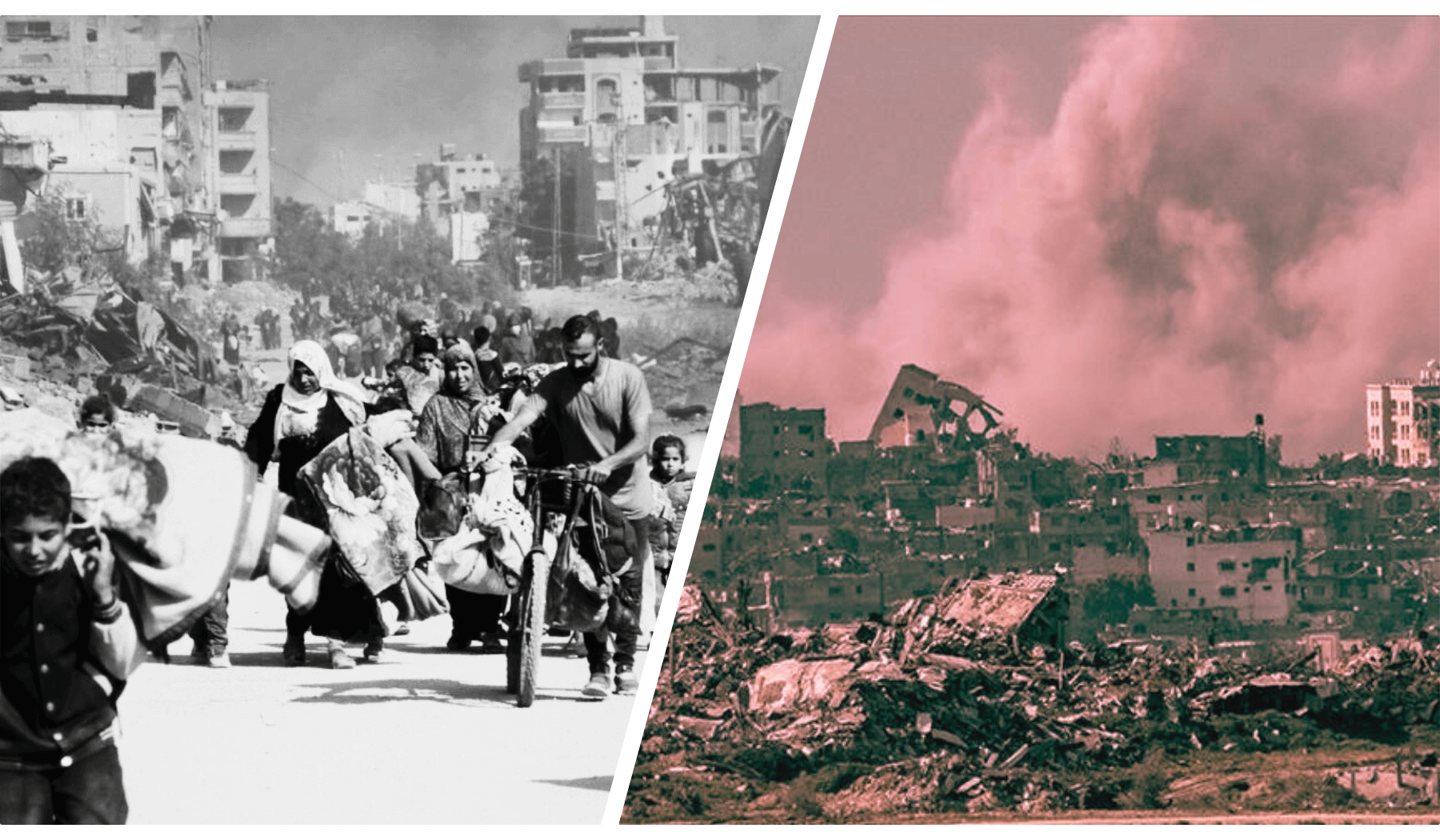 Social Media Platforms Are Deleting the Gaza Genocide


