
IslamiCity
Listen PodCasts, Live Quran, Watch Videos @VideoHub

When we approach Allah, we do not do so with entitlement-as if He owes us mercy, blessings, or answered prayers. The believer comes to their Lord with vulnerability, humility, and brokenness, fully aware that every gift is a grace, not a right.
The beginning of any spiritual journey must start with this understanding. If not, the heart becomes arrogant and the soul misguided.
This deep reverence and submission is beautifully captured in the opening verses of Surah Al-Fatiha, the very foundation of our prayers and spiritual connection. Within this short yet powerful surah lies the essence of our servitude to Allah and the secret to true guidance.
These words-Iyyaka na'budu wa iyyaka nasta'een-are at the heart of our relationship with Allah. They separate arrogance from humility, showmanship from sincerity, and pride from dependence.
"Iyyaka na'budu" means You alone we worship. It is a declaration that no one else-no idol, no person, no desire-deserves your worship or attention. This part is a cure for riya', the spiritual disease of showing off. When you worship Allah alone, you stop performing for others and start living for your Creator.
"Iyyaka nasta'een" means From You alone we seek help. This destroys kibr-the disease of pride. It's a statement that says: I can't do anything without You, O Allah. Even if you turn to people or use medicine or plans, their benefit is only what Allah allows. Every means is subject to His will. True trust (tawakkul) lies not in the means, but in the One who controls them.
The order matters. Worship comes before help. Why? Because Allah deserves our worship, whether or not He helps us in the way we expect. Worship is about His right. Help is His mercy.
This verse is more than a statement-it's a claim. And Allah, in a sacred hadith (Hadith Qudsi), says: "This is between Me and My servant." When you say "You alone we worship," Allah asks: Are you sure? Because the angels, the people, and even you yourself might not know if your heart is truly sincere. But Allah knows.
This intimacy-of speaking to Allah directly-is a privilege. Not "He alone we worship," but "You alone we worship". It's a direct line, a deeply personal moment.
After praising Allah, recognizing His mercy and justice, declaring our worship and dependence-we make the biggest request:
"Ihdinas-Siraatal Mustaqeem"
Guide us to the straight path.
We don't say "Guide us to the path," because guidance isn't a one-time moment. It's a lifelong process. You're not just asking to find the truth once, you're asking to live it, stay firm upon it, and die on it.
You're asking for:
The straight path is free from deviation. Shaytan will try to lead you right or left. But the believer aims straight-toward Allah-without veering.
"The path of those You have favored-not those who earned Your anger or went astray."
You're not asking to walk the path of just anyone. You're asking for the path of the righteous-the Prophets, the truthful, the martyrs, and the righteous. Those who:
In contrast, you ask not to be among those who:
Guidance is not cheap. It is the most precious gift from Allah. The Quran warns us of those who sold their guidance for misguidance. Imagine being given light and choosing darkness. The first business transaction in the Quran is exactly that-people who traded guidance for delusion and gained nothing.
And so, when we ask for guidance, it must come from a place of humility and desperation. We say Ameen, not with routine, but with longing.
"When My servant asks of Me, I am near." (2:186)
Allah is close. He hears. He answers. But only if you come to Him as a servant, not a claimant. With humility, not entitlement. With love, not conditions.
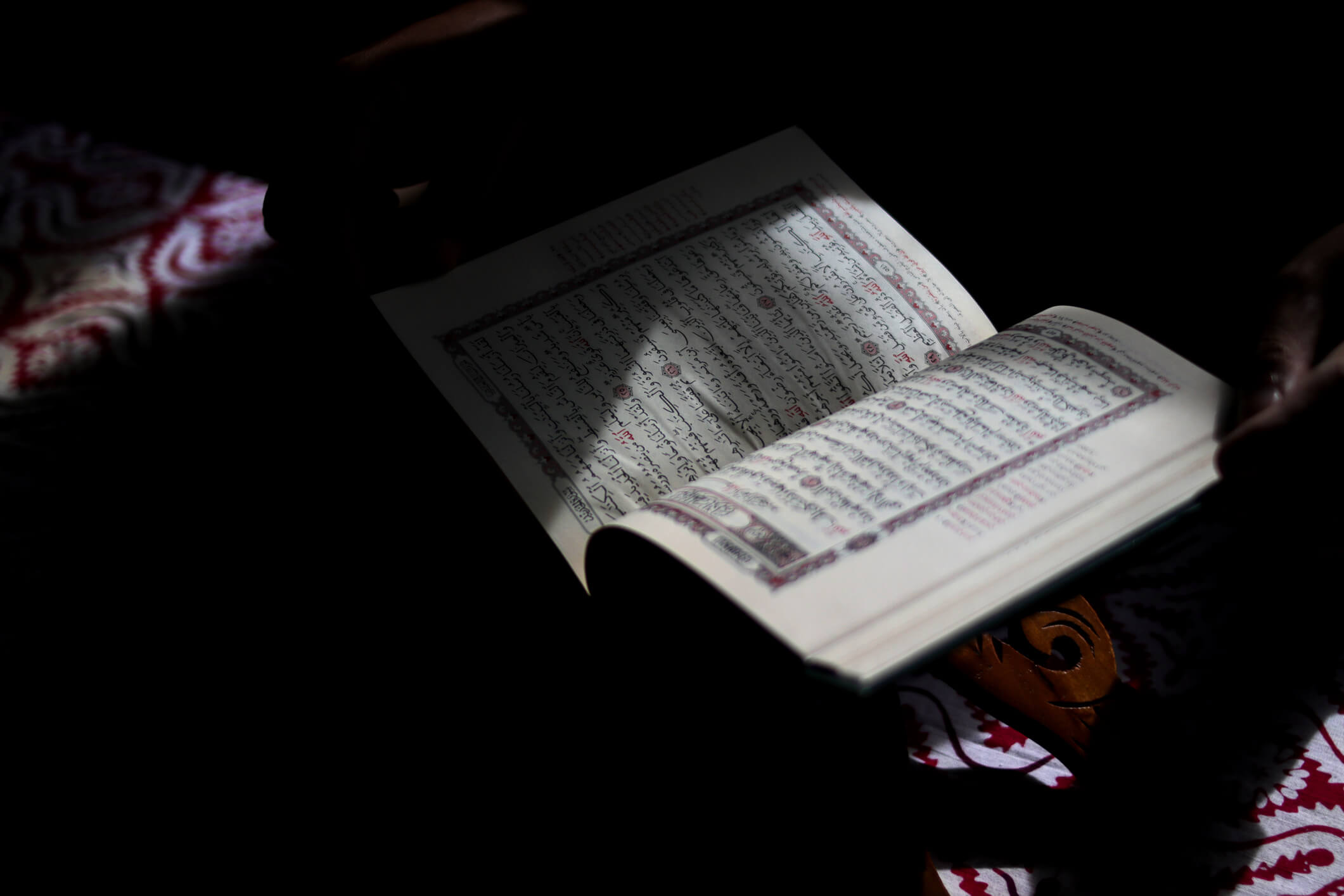 Islamic Concept Stands Out among the Understanding of God


