
IslamiCity
Listen PodCasts, Live Quran, Watch Videos @VideoHub

Thousands of activists from around the world are attempting to march to Gaza in a powerful show of solidarity with Palestinians suffering under a devastating blockade and military assault.
Yet, as this Global March to Gaza unfolds, many participants have faced harsh resistance-not from Israel directly, but from neighboring countries Egypt and Libya, who have detained, blocked, and deported hundreds of hopeful protesters.
Why is this happening? Why are countries that share borders with Gaza preventing peaceful demonstrators from reaching the besieged enclave? Understanding these actions requires a look at the political, strategic, and diplomatic pressures shaping the region.
Egypt controls the Rafah border crossing-the only non-Israeli gateway into Gaza. This crossing is crucial for humanitarian aid and civilian movement, but it has also been heavily restricted for years due to security concerns and political considerations.
Libya, torn by ongoing internal conflict and divided governance, is similarly cautious.
The blockade of Gaza has led to critical shortages of food, medicine, fuel, and clean water, with civilians paying a devastating price. The march to Gaza symbolizes global frustration and demand for urgent relief.
Yet, the blocking of activists underscores how geopolitical calculations often trump humanitarian needs-leaving those in Gaza caught between conflict and international bureaucracy.
Despite detentions and deportations, organizers emphasize that the march's purpose goes beyond physical presence. It's a symbolic stand against silence, aiming to pressure governments and international bodies to act.
The resistance from Egypt and Libya highlights the complex challenges facing activists and underlines the political sensitivity surrounding Gaza. While these actions frustrate protesters, they also draw attention to the very restrictions activists want to challenge.
The detention and deportation of activists trying to march to Gaza reflect a web of regional security concerns, political alliances, and international diplomacy. Egypt and Libya's moves reveal the high stakes and tight controls surrounding Gaza-not just at its borders, but in global politics.
Understanding why countries act this way is crucial to grasping the broader challenges of advocating for Gaza amid a complex and volatile geopolitical landscape.
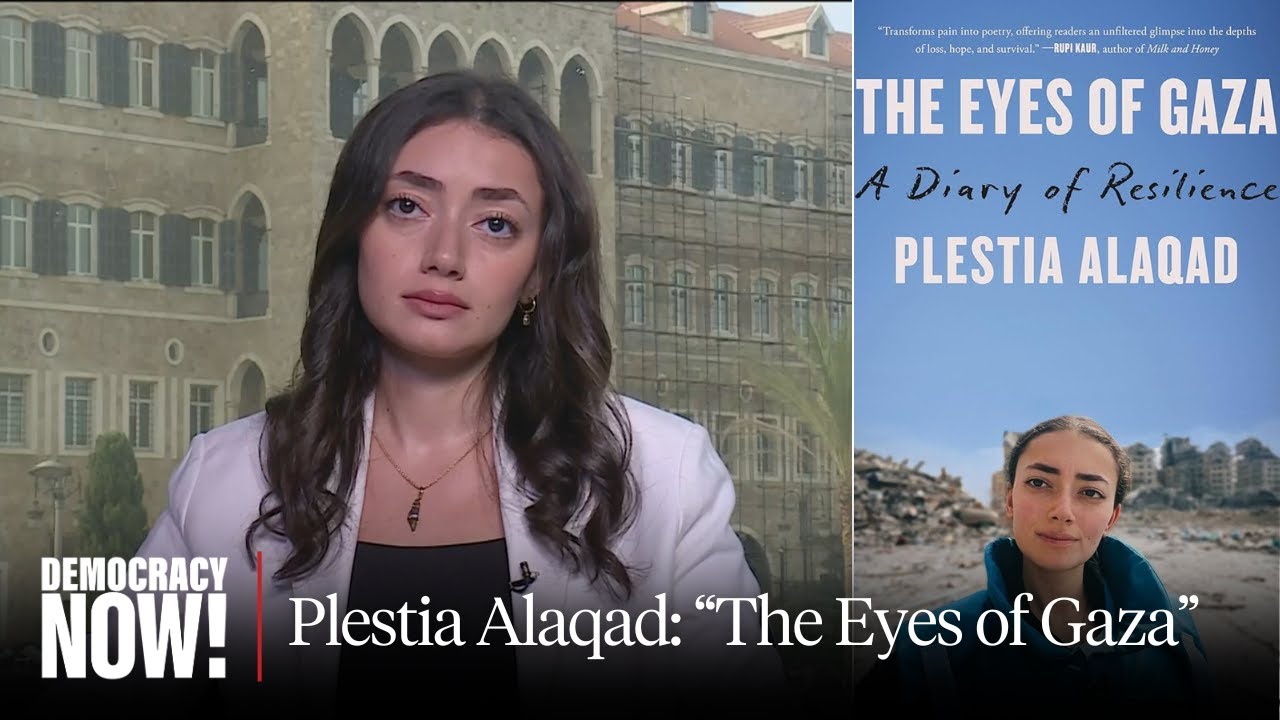 "The Eyes of Gaza": Journalist on Surviving Gaza Genocide


