
IslamiCity
Listen PodCasts, Live Quran, Watch Videos @VideoHub

Why Upholding Fairness Is a Divine Obligation - Not a Personal Preference
In today's world, where truth is often twisted and silence is treated as safety, the Islamic command for justice remains uncompromising. Justice is not a political buzzword or a social media trend. In Islam, it's a sacred duty.
We live in a time where injustice feels overwhelming - from global oppression to everyday unfairness in families, workplaces, and communities. Yet in the noise of it all, the Qur'an reminds us clearly: "Indeed, Allah commands justice..." (Qur'an 16:90)
This is not advice. It's not a spiritual bonus. It's a divine command.
Islam doesn't treat justice as optional or situational. It is central to our moral and spiritual fabric. Allah commands:
"O you who believe! Stand out firmly for Allah, as bearers of witness with justice. And let not the hatred of a people prevent you from being just. Be just - that is nearer to piety..."
- Qur'an 5:8
Even in conflict, even when we are wronged - the obligation to be just doesn't fade. In fact, it becomes more critical. Another verse deepens the responsibility:
"O you who believe! Stand out firmly for justice, as witnesses to Allah, even though it be against yourselves, or your parents, or your kin..."
- Qur'an 4:135
The call to justice in Islam transcends personal bias, tribalism, nationalism, and emotional allegiance. That's what makes it powerful - and rare.
The Prophet Muhammad ﷺ didn't just preach justice - he lived it, consistently and courageously.
One of the most striking moments in his leadership came when a woman from a noble tribe committed theft. Some companions wanted her spared because of her status. But the Prophet ﷺ said:
"By Allah, if Fatimah, the daughter of Muhammad, were to steal, I would cut off her hand."
- Sahih Bukhari
This wasn't a callous act. It was a moment of principle: justice must apply equally, regardless of who you are. There is no special treatment in the eyes of divine law.
The Prophet ﷺ was also known to treat the poor, the enslaved, and the marginalized with respect and fairness, often upsetting the societal norms of the Quraysh elite. His life was a blueprint for justice with humility.
You don't need a courtroom to practice justice. You need a conscience. Justice shows up in:
The Prophet ﷺ said:
"It is enough falsehood for a person to speak of everything he hears."
- Sunan Abi Dawud 4992
Even in speech and silence - justice is demanded.
When we witness atrocities in Gaza, Sudan, East Turkestan, and elsewhere - what does our faith expect of us?
First, to never justify oppression - no matter who the oppressor is. Second, to speak the truth, even when unpopular. Third, to stand with the oppressed, not out of identity politics, but out of divine responsibility.
Allah says:
"And incline not toward those who do wrong, lest the Fire should touch you..."
- Qur'an 11:113
Silence in the face of injustice - whether in our homes or across the globe - is not neutrality. It's complicity.
Before we call out injustice in governments or institutions, we need to examine ourselves:
Umar ibn Al-Khattab (RA) once said:
"Hold yourself accountable before you are held accountable."
Real justice begins with uncomfortable honesty.
Here are some Islamic principles to help us live more justly:
Justice is not something we turn on when it's easy and off when it's hard. It is a sacred trust - between us and Allah.
"We sent Our messengers with clear proofs, and sent down with them the Book and the Balance so that people may uphold justice..."
- Qur'an 57:25
The Qur'an. The Prophet. The entire mission of Islam - all point to one goal: a just society rooted in mercy, truth, and accountability. Justice is not optional. It is Islam in action.
May Allah make us vessels of justice - in our homes, our work, and our world. And may He not make us among those who are silent in the face of wrong, but among those who stand firm with truth, no matter the cost. Ameen.
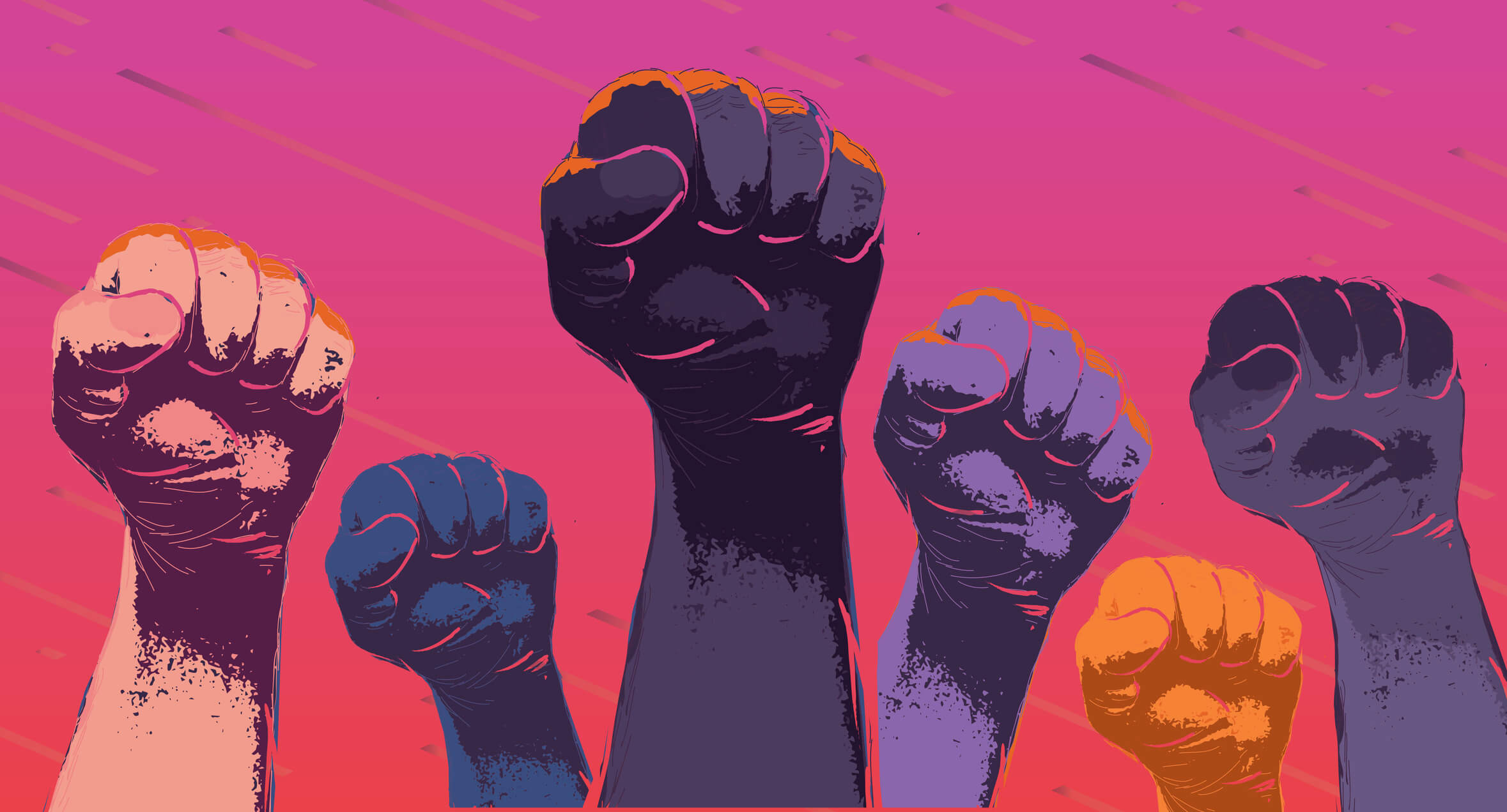 Who Faces the Most Injustice, and What Can We Do About It?


