
IslamiCity
Listen PodCasts, Live Quran, Watch Videos @VideoHub

The ongoing war between Russia and Ukraine has reached a critical juncture, with Washington promising an imminent peace deal.
However, the prospect of former U.S. President Donald Trump brokering such a deal raises many questions about what it would mean for Ukraine and how it could reshape Russia's global standing.
The initial expectation that Russia sought full control of Ukraine was also misplaced-Moscow's primary objective appears to have been securing Ukraine within its sphere of influence, rather than outright annexation.
His past statements-including the suggestion that Ukraine may or may not remain independent-indicate a willingness to acknowledge Russian influence over parts of Ukraine. Additionally, Trump has dismissed the possibility of Ukraine joining NATO, a major sticking point in the conflict.
A peace deal led by Trump would likely involve the formal recognition of Russian control over Crimea and potentially other occupied territories. Such an agreement could involve Ukraine relinquishing certain areas in exchange for a ceasefire and the restoration of trade and diplomatic relations.
This approach would fundamentally alter the West's stance on the conflict and could weaken Ukraine's long-term sovereignty.
It would signal that Russia successfully resisted Western pressure and was able to dictate terms to its adversaries. Such an outcome could embolden Russia to assert its influence elsewhere, potentially reshaping global alliances.
Moreover, Trump's approach to diplomacy, which often prioritizes transactional rather than ideological considerations, could lead to a realignment of power in Europe.
Many European leaders, who have been staunch supporters of Ukraine, may find themselves sidelined as the U.S. pursues a deal that serves its own immediate interests over broader Western unity.
If the U.S. under Trump shifts its stance and accommodates Russian demands, European leaders may be forced to reassess their commitments and strategic priorities. Some may push for continued support to Ukraine despite U.S. reluctance, while others could seek a more conciliatory approach toward Moscow.
Additionally, a settlement favoring Russia could inspire other authoritarian leaders to challenge international norms, believing that territorial expansion can be legitimized through prolonged conflict.
Ultimately, the outcome of any Trump-brokered deal would depend on the balance between American political interests, European reactions, and Ukraine's ability to negotiate terms that preserve its sovereignty.
What is certain, however, is that such a deal would mark a fundamental shift in global power dynamics, with implications that extend far beyond Eastern Europe.
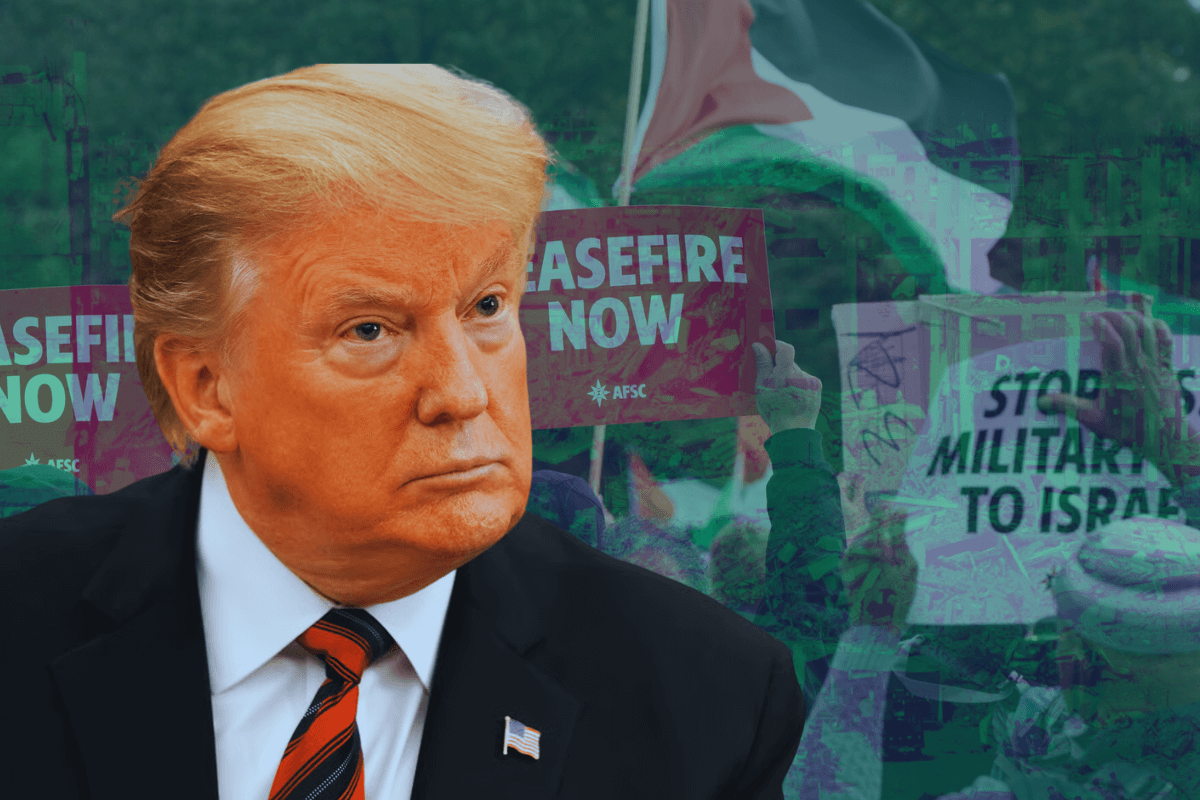 Hamas Plans to Send Letter to U.S. Proposing 60-Day Ceasefire


