Hamas has put forward a new proposal for phase two of the ceasefire agreement in Gaza, offering a large-scale exchange of prisoners.
The group's spokesperson, Ham Kasm, outlined the plan, stating that Hamas is willing to release all remaining Israeli captives in exchange for the freedom of Palestinian prisoners and detainees in a single, comprehensive swap. This proposal aims to achieve a permanent ceasefire and a complete withdrawal of Israeli forces from Gaza.
Earlier, Hamas announced that it would release the bodies of four Israeli captives, including those of Shiri Biais and her children, Ariel and Kir, who were killed in an Israeli airstrike in November 2023.
The release will occur ahead of the agreed-upon timeline, with the bodies returned to Israel on Thursday. Additionally, six more Israeli captives will be freed on Saturday, February 22, 2025. Hamas views this as a sign of flexibility and commitment to the ceasefire agreement, urging Israel to reciprocate by fulfilling its obligations under the deal.
The release of these captives is part of a broader negotiation process involving both Israeli and Palestinian authorities. Israel has committed to releasing half of the women and children detained from Gaza during the war in exchange for the return of the captives. However, the exact number of Palestinians still held in Israeli detention remains unclear, as Israel has not disclosed this information.
Negotiations surrounding phase two of the ceasefire have faced delays, with mediators working to ensure that Israel does not resume the conflict before an agreement is reached. To further push the talks forward, Israel has dispatched Ron Dermer, a key confidant of Prime Minister Netanyahu, to lead the negotiations for phase two. The situation remains tense, as both sides await a resolution to the conflict.
As part of the ongoing discussions, Hamas has emphasized its readiness to release all captives in a single, coordinated effort, signaling a shift away from the staggered releases seen in phase one. This proposal calls for the complete withdrawal of Israeli troops from Gaza and an end to the war in exchange for the captives' freedom.
The move has been met with mixed reactions within Israel. While the right-wing political factions oppose the idea of leaving Hamas in power, Prime Minister Netanyahu has expressed his intent to completely dismantle the organization militarily and politically.
Despite these disagreements, both Israeli officials and Hamas continue to engage in delicate negotiations, with the families of Israeli captives exerting pressure for the swift release of all remaining hostages.
This development represents a significant, albeit complicated, step forward in efforts to bring peace to the region. The negotiations are expected to continue throughout the week, with potential breakthroughs on both sides.
The exchange of captives and the ongoing ceasefire talks are a testament to the complex and ever-evolving dynamics of the Israeli-Palestinian conflict, with both sides looking for a way to de-escalate the violence and pave the way for a lasting resolution.



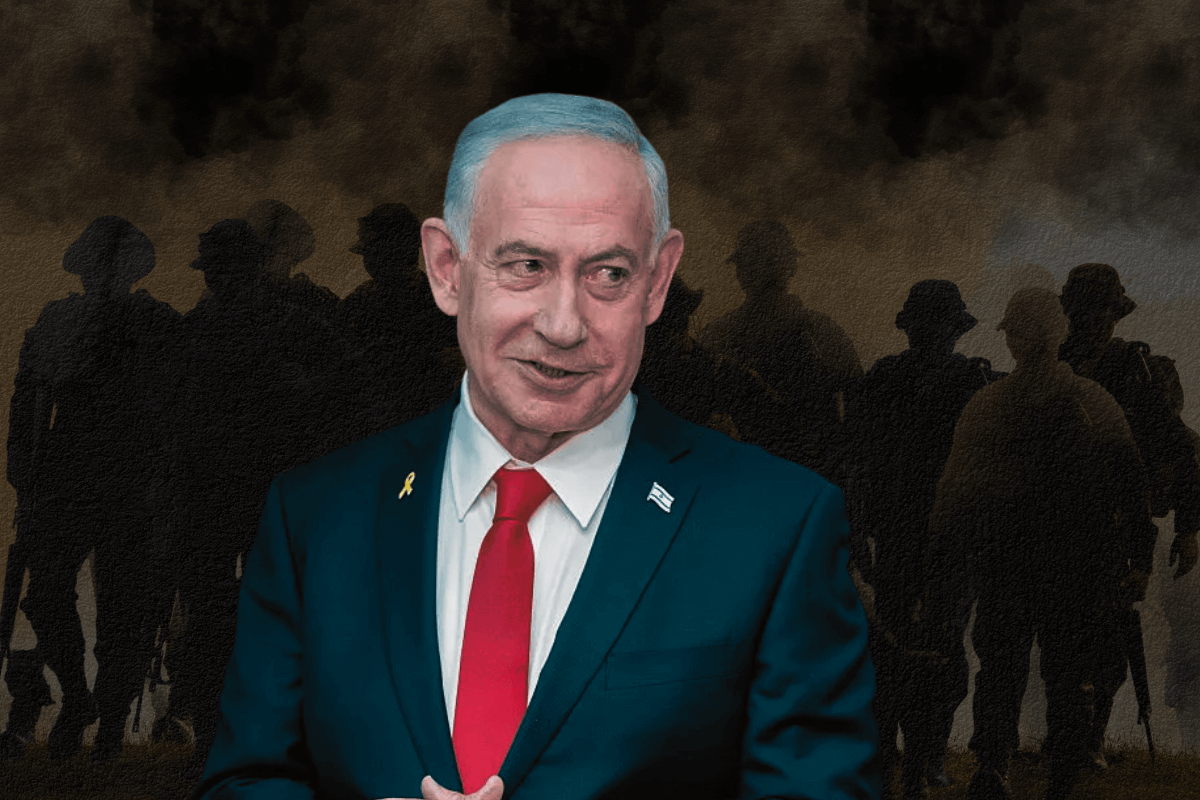 Israel Turns to Militias to Govern Gaza’s South, Defying UN Concerns