
IslamiCity
Listen PodCasts, Live Quran, Watch Videos @VideoHub

Germany's political landscape is increasingly marked by a tense and complex relationship with Islam, Palestine, and the broader Arab world.
Recent developments, such as the rise of the far-right Alternative for Deutschland (AfD) party and the pervasive influence of historical narratives, underscore how deeply embedded certain political ideologies have become.
From its unwavering support for Israel to the marginalization of Palestinian activism, Germany appears to be navigating a precarious path shaped by both its past and present challenges.
This concept, articulated by former Chancellor Angela Merkel in 2008 during a speech in the Israeli Knesset, is not enshrined in German law but has become a guiding doctrine. Merkel declared that Israel's security was of "paramount importance" to Germany, a stance reinforced repeatedly by subsequent leaders, including Chancellor Olaf Scholz.
This steadfast support for Israel is rooted in Germany's attempt to reckon with its genocidal past during the Holocaust. By championing Israel's security, Germany seeks to demonstrate its commitment to combating anti-Semitism.
However, this policy has also fostered significant hostility toward Palestinian activism, framing it as a potential threat to the nation's moral and political commitments.
This framing has serious implications: refugees attending protests risk losing their asylum status, and activists advocating for Palestinian rights may face arrests, deportations, or legal barriers.
One controversial policy involves denying citizenship to individuals who question Israel's right to exist. Citizenship tests now include questions about Israel, and failing to affirm certain pro-Israel stances can result in the rejection of an application.
For Palestinian refugees, this creates an untenable situation where their political beliefs directly jeopardize their status in Germany.
Although the perpetrator of the attack was an ex-Muslim and ardent supporter of the AfD's anti-migrant rhetoric, his Arab identity has been used to further vilify Muslims and migrants. The attack, rather than prompting nuanced discussions about mental health or ideological extremism, has instead fueled calls to expel Arab migrants en masse.
The AfD's rhetoric has pushed other political parties, including the Social Democrats (SPD) and Christian Democrats (CDU), to adopt more conservative stances on migration.
For example, Olaf Scholz's government recently introduced the most restrictive anti-migration bill in German history, limiting benefits for asylum seekers and considering the establishment of offshore asylum processing centers in countries like Albania.
These alliances reinforce the normalization of xenophobia in political spaces, both within Germany and beyond.
The narrative of "imported anti-Semitism" conflates legitimate critiques of Israeli policies with hatred of Jews, leaving little room for nuanced dialogue.
This dynamic exacerbates tensions within Germany's diverse population. Migrants, particularly those from Muslim-majority countries, are often scapegoated for economic and social challenges.
At the same time, the political elite's focus on Israel's security sidelines pressing domestic issues, such as economic inequality and the rising influence of the far-right.
Germany's unwavering dedication to Israel, framed through its "Reason of State" doctrine, reflects a deep-seated desire to distance itself from its dark history.
However, this commitment comes at a significant cost to Muslim and Palestinian communities, who face systematic discrimination and a shrinking space for activism.
As Germany continues to grapple with its identity in an increasingly polarized world, the challenge lies in balancing historical responsibility with the need for justice and inclusion for all its residents.


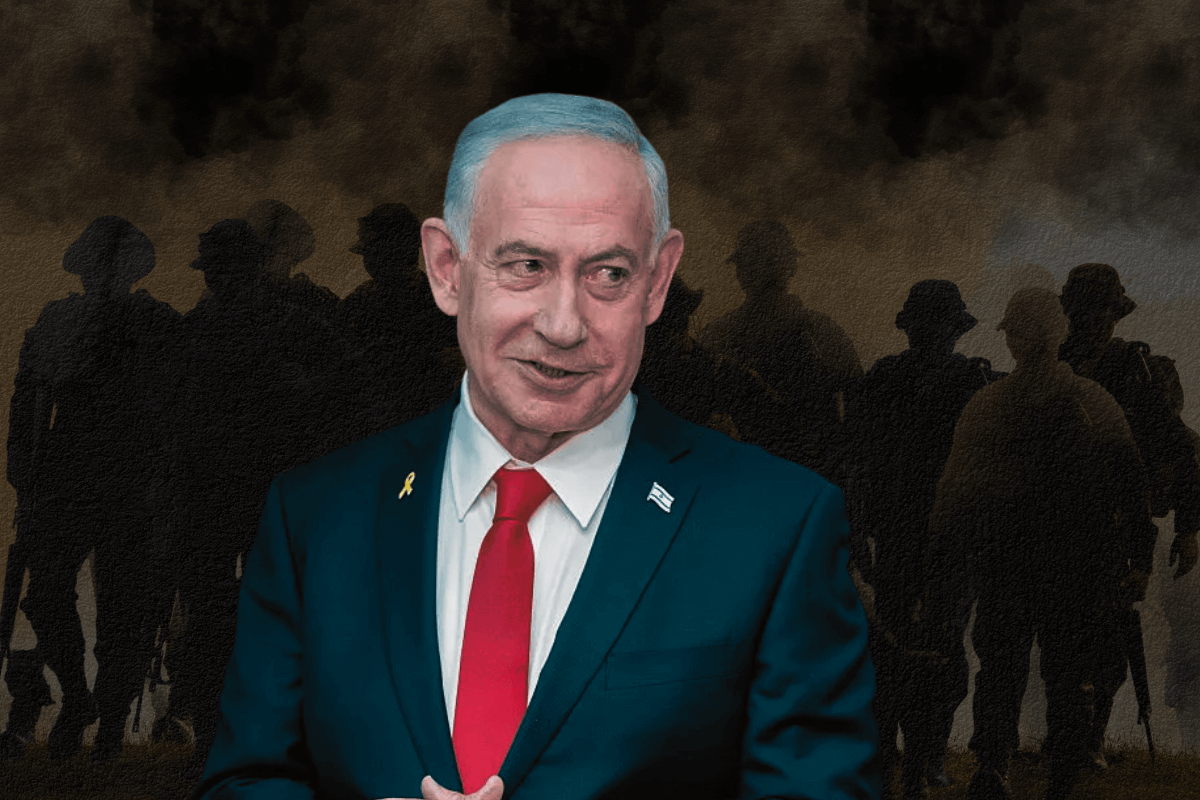 Israel Turns to Militias to Govern Gaza’s South, Defying UN Concerns