
IslamiCity
Listen PodCasts, Live Quran, Watch Videos @VideoHub

Hajj is not merely a physical pilgrimage; it's a journey of the heart, a reminder of who we are, where we're going, and what truly matters.
It's about submitting to Allah, just as Prophet Ibrahim (peace be upon him), his wife Hajar, and their son Ismail (peace be upon them all) did - with unwavering trust and obedience.
Hajj connects us to their legacy and to the essence of tawheed - the Oneness of Allah. Every step, every ritual, every sacrifice during Hajj echoes their actions, their struggles, and their incredible faith.
In Surah Al-Hajj (22:27), Allah commands:
"Proclaim the pilgrimage to all people. They will come to you on foot and on every lean camel from every distant path. So they may witness benefits for themselves and pronounce the name of Allah over what He has provided for them..."
This verse reminds us that Hajj is for all of mankind. It's not reserved for one nation, race, or background. People from every corner of the earth gather in Mecca - the city also known by its ancient name Bakkah - to stand as equals before their Lord.
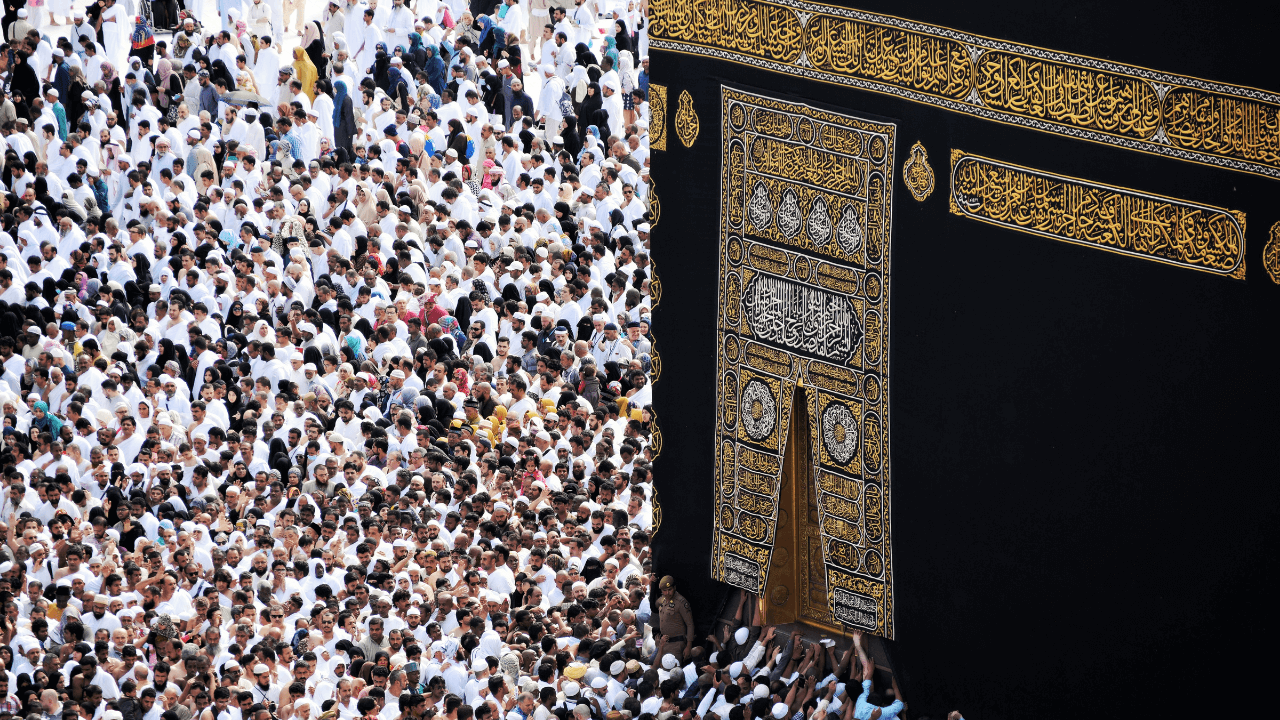
The Kaaba, referred to as the Ancient House, is the spiritual heart of this sanctuary. Though we do not pray to it, we face it in prayer as a symbol of unity and direction. Built originally by Prophet Ibrahim and Ismail (peace be upon them), its sacredness transcends generations.
Originally rectangular, the Kaaba was later altered to a cube shape. The Prophet Muhammad ﷺ once told Aisha (may Allah be pleased with her) that he wished to restore it to its original shape but refrained - as his people were still new to Islam and the change would cause unrest.
This story teaches us an essential principle: sometimes, maintaining peace takes priority over non-essential reforms. When change causes more harm than good, wisdom dictates restraint - a lesson for community leaders and change-makers even today.
One prayer in Mecca equals 100,000 prayers elsewhere. In Medina, it's 1,000. These places are not just historically significant - they are spiritually supercharged. Yet, the reward is not just in quantity but in the sincerity of worship offered there.
In the early days of Islam, Muslims prayed toward Jerusalem. This changed by divine instruction, re-establishing the Qiblah as the Kaaba in Mecca - the original direction of Prophet Ibrahim's prayer. This shift signified a revival of the Abrahamic legacy and reminded the believers of their unique identity and mission.
Hajj is compulsory once in a lifetime for every adult Muslim who is able to undertake it. But "able" does not just mean financially. The Arabic term used in the Quran implies the physical and logistical capacity to reach Mecca safely.
Yes, today the cost is high - sometimes exceeding $30,000 for a couple - but the command remains tied to ability. If someone intends to go but dies before doing so, Allah's mercy is vast. Another person, after completing their own Hajj, may perform it on behalf of the deceased.
Once, modest bridal gifts (mahr) included a sincere request for Hajj. Today, asking for Hajj as mahr may be seen as expensive - but it still carries spiritual weight. Unlike worldly items, Hajj is an investment in the afterlife.
May Allah make this beautiful journey accessible to all who long for it, and may He bless those who save for years to fulfill it.
In Surah Aal-Imran (3:96-97), Allah says:
"Indeed, the first House [of worship] established for mankind was at Bakkah - blessed and a guidance for the worlds."
This verse reveals that Mecca was not chosen by humans - it was appointed by Allah as the first center of worship. It holds blessings, security, and guidance for all.
The same verses warn those who deny its significance: Allah is not in need of our worship - we are the ones in need. He offers guidance, but we must choose to follow it.
Each act of Hajj - from Tawaf (circumambulating the Kaaba), to Sa'i (walking between Safa and Marwa), to the standing at Arafah, to the sacrifice of animals - holds deep spiritual meaning. They commemorate:
These rituals teach us about trust, patience, obedience, equality, and sacrifice - values needed now more than ever.
We are now in the first ten days of Dhul-Hijjah, which are among the most blessed days of the entire year. The Prophet ﷺ said:
"There are no days in which righteous deeds are more beloved to Allah than these ten days." (Bukhari)
Even if you're not at Hajj, you can still fast, pray extra, give charity, and do dhikr. Make the most of these precious days.
The Day of 'Arafah, the 9th of Dhul-Hijjah, is the peak of Hajj. Fasting on this day for non-pilgrims erases the sins of the previous and coming year.
The Udhiyah (sacrifice) on Eid al-Adha commemorates Ibrahim's willingness to sacrifice his son for the sake of Allah. It's not just a ritual - it's a symbol of submission.
Dear brothers and sisters, Hajj is more than an event. It's a mirror to our own journey - from heedlessness to awareness, from ego to surrender.
Whether you're preparing to go one day or supporting others who do, let Hajj live in your heart. Let it remind you of your purpose. Let it humble you, purify you, and uplift you.
May Allah accept from all the hujjaj this year, forgive their sins, and return them purified like newborns. And may He grant every believer the chance to visit His sacred house at least once in their lifetime. Ameen.
"And whoever honors the symbols of Allah - indeed, it is from the piety of hearts." - Qur'an 22:32
 The Spirituality of Hajj: Conclusion


